
Selecting a high-performance rain jacket often feels like a trade-off between absolute waterproof protection and the physical comfort required for active movement. For parents and procurement managers, the challenge lies in finding gear that withstands torrential downpours without trapping heat or restricting the natural agility of the wearer.
The shift toward polyurethane (PU) coatings and welded seam technology has redefined the standards for waterproof apparel, moving away from heavy, rubberized fabrics toward lightweight, breathable, and PFC-free alternatives. Understanding these technical nuances is essential for anyone determining where to buy rain gear that actually performs under pressure.
This analysis examines the critical components of professional-grade rainwear, from material science to safety integrations, providing a framework for evaluating quality in the current textile market.
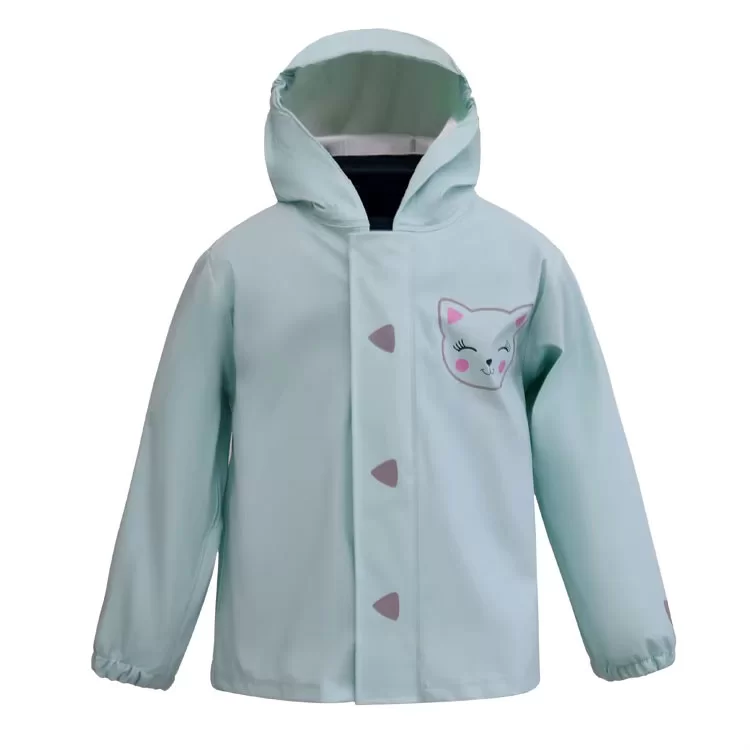
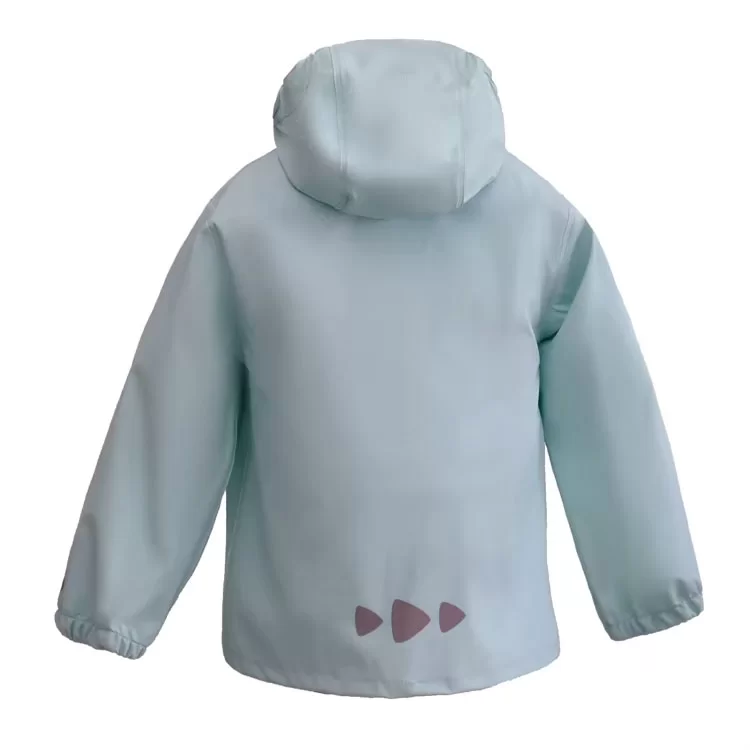
Historically, waterproof gear relied on heavy PVC or treated canvases that were impermeable but lacked flexibility. The modern industry has pivoted toward Polyurethane (PU) coatings, typically applied over 100% polyester knitted fabrics. This combination, often in the 190-200gsm weight range, offers a critical balance: the polyester provides the structural tensile strength, while the PU layer creates a non-porous barrier against liquid penetration.
This evolution allows for "functional movement," meaning the garment can bend and stretch without the coating cracking or peeling. For specialized applications, such as children's rainwear, this flexibility is paramount, ensuring that protective gear does not hinder physical activity.
The effectiveness of a rain jacket is not determined by the fabric alone, but by the integrity of its construction. The most vulnerable points in any garment are the seams. Traditional stitching creates thousands of microscopic holes that allow water to seep through via capillary action. To counter this, professional-grade gear utilizes welded seams, where heat and pressure fuse the material together, creating a truly waterproof bond.
Beyond the seams, the design of entry points—such as zippers and buttons—is critical. A standard zipper is a primary leak point; therefore, the implementation of a storm flap is necessary. This fabric overlap prevents wind-driven rain from reaching the zipper teeth. Additionally, elasticated sleeve endings and adjustable hoods ensure a tight seal against the skin, preventing water from running down the arms or neck.
Quality assurance in this sector is often validated through rigorous testing, including hydrostatic pressure tests to measure the fabric's resistance to water penetration under pressure. Certifications like Oeko-Tex Standard 100 further ensure that these chemical coatings are safe for skin contact and free from harmful substances.
Waterproof gear is frequently used in low-visibility conditions, such as heavy rain, fog, or twilight. This makes the integration of safety features a functional necessity rather than an aesthetic choice. The use of high-contrast colors, such as classic yellow, serves as a primary visual marker.
True safety in rainwear is achieved through a dual-layer approach: high-visibility base colors for daylight recognition and strategically placed reflective details on the front and back for nocturnal visibility.
For children's apparel, these reflectors are critical for urban safety. Furthermore, the physical design must consider "snag risks." Removable or "click-off" hoods are a key safety innovation, ensuring that if a child's hood becomes caught in equipment or play structures, it detaches instantly to prevent injury.
When analyzing different types of rain gear, performance is measured across several vectors: waterproofness, wind resistance, weight, and flexibility. While heavy-duty industrial coats excel in pure protection, they often fail in agility. Conversely, lightweight windbreakers offer mobility but leak during prolonged exposure.
PU-coated polyester sits in the optimal center of this spectrum. By utilizing a 100% polyurethane coating, manufacturers can achieve total waterproofing while maintaining a weight that is comfortable for extended wear, particularly in children's and women's rainwear categories.
The ideal rain gear depends entirely on the environment. For "active play" scenarios—such as children navigating mud puddles—a short, unlined PU jacket with reinforced welded seams is most effective. In these cases, the focus is on quick drying and maximum range of motion. For transitional seasons like autumn or spring, lined rain jackets are preferred to provide a necessary layer of thermal insulation against damp chills.
In a commercial procurement context, such as sourcing for a brand, the "OEM/ODM" path allows for the customization of these features. This includes adjusting the fabric GSM for different climates or integrating specific logos via screen or transfer printing to meet brand identity requirements without compromising the waterproof integrity of the PU coating.
The textile industry is facing significant pressure to eliminate PFCs (perfluorinated chemicals), which were traditionally used for water repellency but are persistent environmental pollutants. The shift toward PFC-free PU coatings represents a major step in sustainable manufacturing. Modern high-quality rainwear now achieves 100% waterproof ratings using chemistry that is safer for the end-user and the planet.
Another emerging trend is the integration of GRS (Global Recycled Standard) certified materials. By using recycled polyester for the base fabric before applying the PU coating, manufacturers can reduce the carbon footprint of the garment without sacrificing the hydrostatic resistance required for heavy rain.
Looking forward, the industry is moving toward a "circular" model where the durability of the garment is prioritized to reduce waste. High-density PU coatings that resist cracking over multiple seasons are becoming the benchmark for premium rainwear, shifting the market away from disposable, low-quality plastic ponchos.
When evaluating manufacturers or searching for where to buy rain gear in bulk, buyers should utilize a technical matrix rather than relying on aesthetic samples. A professional manufacturer, such as those audited by BSCI, will provide transparent data on fabric weight, coating type, and seam technology.
The trade-off between cost and performance is usually found in the seam construction. Stitched and taped seams are cheaper but more prone to failure than fully welded seams. Similarly, the choice between a fixed hood and a detachable one affects both the cost and the safety profile of the garment.
The following framework provides a relative suitability index based on common rainwear specifications used in the current manufacturing landscape.
| Feature | Light Use | Active Play | Extreme Weather | Industrial Use |
|---|---|---|---|---|
| PU Coating | Lightweight | 190-200gsm | Heavy Duty | Reinforced PU |
| Seam Type | Stitched | Welded | Fully Welded | Industrial Welded |
| Lining | Unlined | Optional | Thermal Lined | Heavy Lining |
| Safety | None | Reflectors | High-Vis/Reflective | Certified Safety |
| Hood Design | Fixed | Detachable | Adjustable Brim | Integrated Helmet |
| Durability | Low | Medium-High | High | Ultra-High |
PU (Polyurethane) is generally more flexible, breathable, and environmentally friendly than PVC (Polyvinyl Chloride). PU coatings adhere better to knitted fabrics, allowing for garments that are lightweight and move with the body, whereas PVC tends to be stiffer, heavier, and can crack over time. For active users and children, PU is the preferred industry standard for comfort and durability.
Stitching creates thousands of needle holes in the fabric, which act as entry points for water. Even with internal taping, these are weak points. Welded seams use heat and pressure to fuse the fabric layers into a single, solid piece of material. This eliminates holes entirely, ensuring that the garment remains 100% waterproof even during prolonged exposure to heavy rain.
Check for three key indicators: first, verify the fabric coating (e.g., 100% PU); second, inspect the seams to see if they are welded or merely stitched; third, look for a storm flap over the zipper. For professional procurement, request a hydrostatic head test report, which measures exactly how much water pressure the fabric can withstand before leaking.
Visibility and safety are paramount. Priority should be given to gear with integrated reflective strips on the chest and back for low-light conditions. Additionally, a detachable or "break-away" hood is a critical safety feature that prevents strangulation or snagging accidents during active play. Oeko-Tex 100 certification is also recommended to ensure no harmful chemicals are present.
Standard PU coatings are designed for absolute waterproofness and are generally less breathable than membranes like Gore-Tex. However, by using knitted polyester bases and incorporating design elements like underarm vents or lightweight GSM fabrics (190-200gsm), manufacturers can reduce the "sauna effect" and make the gear comfortable for moderate activity levels.
PFCs (perfluorinated chemicals) are used in many water-repellent coatings but are harmful to the environment and human health because they do not break down. PFC-free rainwear uses alternative chemical structures to achieve water repellency. This is a key requirement for brands exporting to European markets (such as Sweden, Finland, and Germany) where environmental regulations are strict.
The transition from simple water-resistance to engineered waterproof protection requires a deep understanding of material science and construction logic. By prioritizing PU coatings, welded seams, and PFC-free chemistry, the industry is creating gear that is not only more effective but significantly safer for the user and the environment.
Whether sourcing for a commercial line or individual use, the focus must remain on the synergy between fabric specifications and safety integrations. High-quality rainwear is an investment in functionality, ensuring that outdoor activity is no longer dictated by the weather, but supported by it.