
Maintaining a consistent swing under heavy rain requires more than just mental fortitude; it requires gear that eliminates the distraction of moisture and wind. For many golfers, the lower body is the first to feel the chill of a damp breeze, making the choice of rain trousers a critical factor in performance stability.
The technical requirements for golf rain pants men differ significantly from standard outdoor wear. While a walking jacket might prioritize lightweight breathability, golf-specific rainwear must balance absolute waterproof integrity with the mobility required for a full rotational swing.
Understanding the interplay between material coatings, seam construction, and ergonomic tailoring is essential for anyone looking to upgrade their wet-weather kit. This analysis examines the engineering behind high-performance rainwear and how to select options that serve both functional and athletic needs.
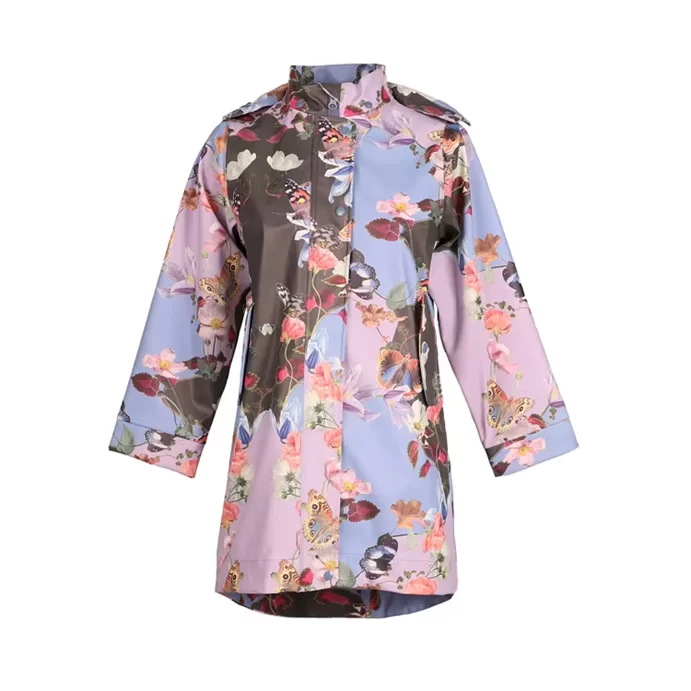

Most professional-grade rainwear relies on a composite structure. A common high-efficiency approach involves a 100% polyester knitted fabric base integrated with a 100% polyurethane (PU) coating. This combination ensures that while the outer layer deflects water, the internal structure maintains the necessary durability for active use.
The weight of the fabric, typically ranging between 190-200gsm, is a calculated balance. If the material is too heavy, the golfer loses agility; if it is too light, the garment may fail under the pressure of heavy wind and sustained rain.
The primary challenge in designing rain pants is avoiding the "stiff" feeling associated with traditional waterproof gear. To solve this, engineers focus on ergonomic tailoring. This includes the implementation of adjustable waists and strategic paneling that allows the fabric to stretch and move with the wearer's legs during the transition from the backswing to the follow-through.
Beyond the cut, closure systems play a vital role. Concealed zippers with storm flaps prevent water from seeping through the teeth of the zip, while press-stud closures on pockets ensure that essential items remain dry without adding excessive bulk to the silhouette of the trousers.
Fit is not merely about size but about the interaction between the rainwear and the clothing worn beneath. High-quality options are designed to be layered over standard golf slacks without restricting blood flow or movement, ensuring that the golfer remains warm and dry without feeling encumbered.
A fabric can be 100% waterproof, but the garment will fail if the seams are not addressed. Every time a needle pierces the fabric during the sewing process, it creates a potential entry point for water. In standard apparel, this is negligible, but in professional rainwear, it is a critical failure point.
Welded seams are the gold standard for waterproof gear. By using heat and pressure to bond the fabrics together rather than traditional stitching, the integrity of the waterproof barrier is maintained across the entire surface of the garment.
This process is particularly important in high-stress areas such as the crotch and inner thighs. When a golfer bends their knees or rotates their hips, these areas experience significant tension. Welded seams prevent the "leakage" that often occurs in taped seams when the adhesive begins to degrade under physical stress.
When evaluating different waterproof technologies, it is useful to look at how they perform across various metrics. While PU-coated polyester offers an exceptional barrier against wind and rain, other materials like GORE-TEX focus more on breathability. The choice depends on whether the priority is absolute dryness in a downpour or temperature regulation during a light drizzle.
The following relative assessment illustrates the trade-offs typically found in rainwear materials, focusing on the balance between waterproof capability, wind resistance, and flexibility.
Selecting the right rainwear depends heavily on the climate of the region. In Northern European markets, such as Sweden or Norway, where wind-chill is as significant as the rain, a heavier PU-coated garment with an internal lining is preferred. This provides a thermal barrier that prevents the core body temperature from dropping during long rounds.
Conversely, in more temperate zones, unlined models are superior. These allow for quicker donning and doffing as weather patterns shift rapidly. For professional organizations procuring gear in bulk, utilizing OEM/ODM services allows for the customization of these features—such as adding reflectors for visibility or modifying the weight of the fabric—to match the specific needs of their clientele.
The rainwear industry is currently undergoing a shift toward chemical safety and environmental responsibility. Historically, many waterproof coatings relied on PFCs (perfluorinated chemicals) to repel water. However, the industry is moving toward PFC-free alternatives to reduce the ecological footprint and ensure safety for the wearer.
Certification standards like Oeko-Tex 100 have become a benchmark for trust. This certification ensures that the textiles are free from harmful substances, which is particularly important for garments that sit directly against the skin during intense physical activity.
The integration of GRS (Global Recycled Standard) and BSCI auditing in the manufacturing process further reflects a trend toward ethical production. Modern factories are no longer just focusing on the output volume but on the transparency of the supply chain, from the raw polyester fiber to the final welded seam.
When evaluating golf rain pants men, buyers should move beyond brand names and focus on technical specifications. The primary objective is to find a balance between the "waterproof rating" and the "mobility coefficient." A pant that is completely waterproof but restricts the stride will negatively impact the golfer's score.
Another often-overlooked factor is the durability of the PU coating. Over time, repeated folding and exposure to UV rays can cause the coating to crack. Choosing a garment with a high-density polyester base (190-200gsm) typically ensures a longer lifecycle.
The following table provides a decision framework for selecting rainwear based on specific environmental conditions and performance requirements.
| Scenario | Primary Need | Recommended Material | Key Feature |
|---|---|---|---|
| Heavy Downpour | Absolute Dryness | PU Coated / Welded | Storm Flaps |
| Windy/Cold Rain | Thermal Protection | Lined PU Composite | Adjustable Waist |
| Light Mist/Drizzle | Breathability | Lightweight Nylon | Unlined Design |
| Competitive Play | Maximum Range | Ergonomic PU Blend | 4-Way Stretch |
| Casual Outdoor | Versatility | Standard Polyester | Detachable Hood |
| Low Visibility | Safety/Visibility | PFC-Free PU | Reflector Strips |
Taped seams involve applying a waterproof adhesive strip over a stitched seam. While effective, they can peel over time. Welded seams use heat and pressure to fuse the fabric layers together without needles, creating a seamless, waterproof bond that is generally more durable and provides superior protection against high-pressure water ingress.
GSM refers to grams per square meter. For active sports like golf, a range of 190-200gsm is ideal. This provides a substantial enough barrier to block wind and heavy rain without becoming too cumbersome. Heavier fabrics may be better for stationary use in extreme cold, while lighter fabrics (under 150gsm) are better for short-term use in light rain.
Pure PU coatings are primarily designed for absolute waterproofing and wind-blocking. While they are less breathable than membrane-based fabrics (like GORE-TEX), breathability is often managed through the garment's design, such as using moisture-wicking linings or integrating strategic ventilation points to allow internal heat to escape.
Oeko-Tex 100 is a global certification that tests textiles for harmful substances. For a golfer, this means the PU coating and polyester fabric are free from toxic chemicals that could be absorbed through the skin, especially when the body is sweating during a round, ensuring the gear is safe for prolonged contact.
Modern PFC-free coatings have evolved to provide nearly identical waterproof performance to traditional fluorocarbons. While they may require slightly more frequent maintenance (such as re-treating with a DWR spray), they are significantly more environmentally friendly and comply with newer European safety regulations.
To maintain the PU coating and welded seams, avoid using harsh detergents or fabric softeners, which can break down the waterproof layer. Wash in cool water and avoid high-heat drying. Hanging the pants to air dry is the best method to prevent the coating from cracking or peeling over time.
The difference between a ruined round and a successful one often comes down to the technical specifications of your wet-weather gear. By focusing on welded seams, a balanced GSM, and certified non-toxic materials, golfers can ensure that their focus remains on the course rather than the weather.
As the industry moves toward sustainable, PFC-free production, the intersection of athletic performance and environmental ethics is becoming the new standard. Investing in gear that prioritizes both mobility and absolute waterproof integrity is the most reliable strategy for any serious player.