
Finding a high-performance outer layer often comes down to a conflict between aesthetic appeal and actual weather protection. For many, the search for reliable rainwear is not just about staying dry, but about finding a garment that fits a professional wardrobe without sacrificing technical specifications like water column ratings or seam integrity.
The market has shifted from basic plastic ponchos to sophisticated engineered textiles. Today's buyers are increasingly scrutinizing material compositions, looking for PVC-free coatings and recycled polyesters that align with sustainability goals while providing rigorous wind and water resistance.
Whether you are sourcing for a corporate uniform contract or upgrading a personal wardrobe, knowing where to buy a raincoat requires an understanding of the balance between PU coatings, fabric weights, and ergonomic design.
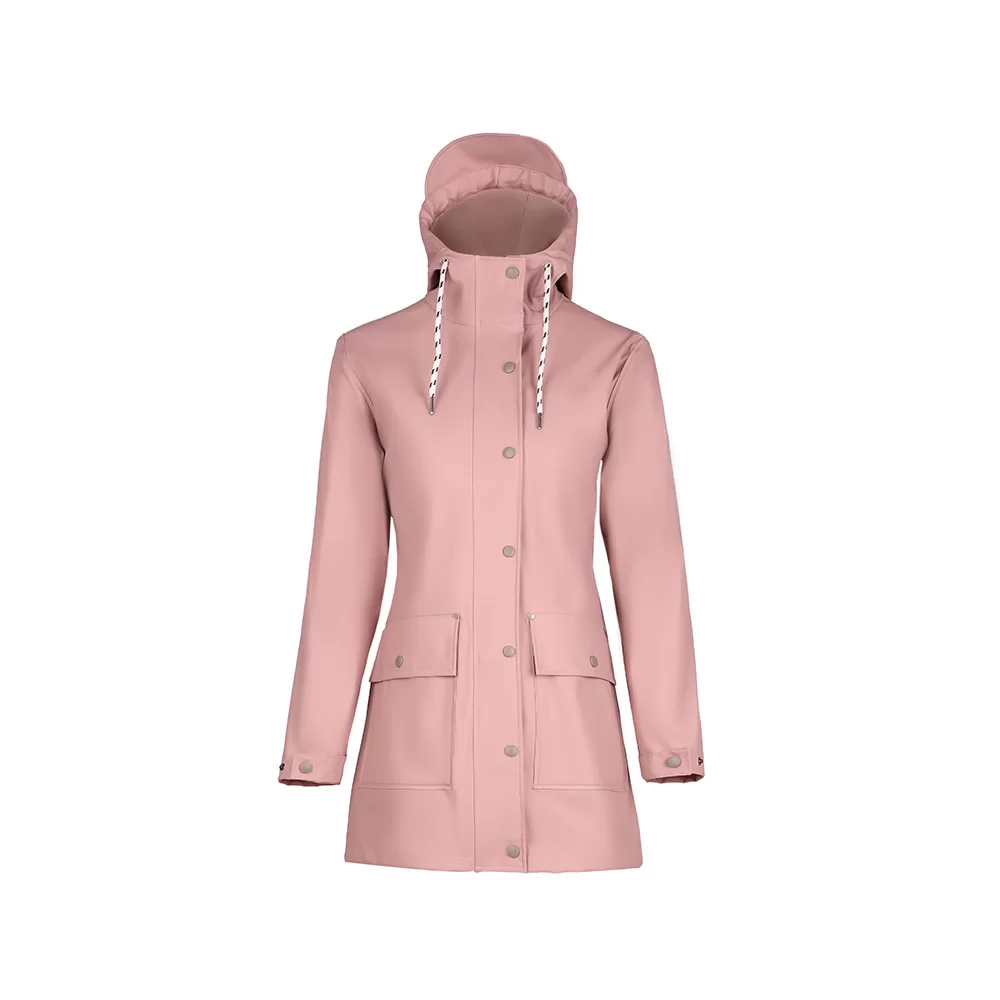
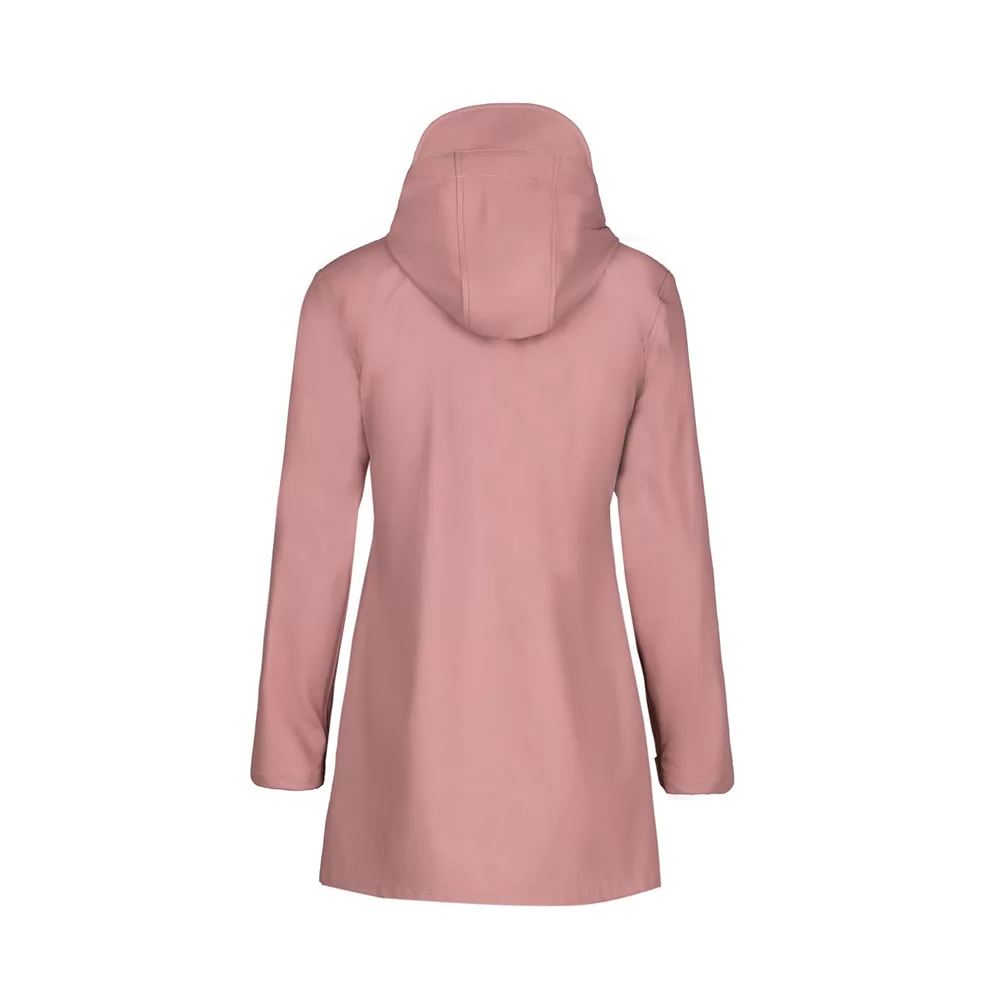
The transition from heavy rubberized fabrics to lightweight Polyurethane (PU) coatings has redefined the utility of rainwear. Modern garments typically utilize a base of 100% polyester knitted fabric, which provides the necessary structural flexibility, paired with a PU coating that acts as the primary hydrophobic barrier.
This combination allows for a garment that is not only windproof but also breathable enough for daily urban use. By adjusting the GSM (grams per square meter)—typically between 190-200gsm for mid-weight coats—manufacturers can optimize the balance between durability and wearer comfort.
When evaluating the quality of a raincoat, the "water column" measurement is the most critical metric. A rating of 8,000 mm, for example, indicates that the fabric can withstand significant water pressure before leaking, making it suitable for persistent rain. However, the fabric's performance is only as good as its assembly.
Welded seams are far superior to traditional stitched seams in high-moisture environments. Stitched holes, even when taped, can become failure points over time. Welded seams create a molecular bond between fabric panels, effectively eliminating leak points and enhancing the overall structural integrity of the garment.
Beyond the fabric, functional hardware such as press studs, waterproof zippers, and adjustable cuffs play a vital role. A large, adjustable hood with a drawstring is essential for preventing water from entering the neck area during heavy wind-driven rain, ensuring the wearer remains dry regardless of the weather's direction.
Environmental concerns are driving a massive shift in how waterproof coatings are produced. The industry is moving away from PFC (perfluorinated chemicals) and PVC (polyvinyl chloride) due to their persistence in the environment and toxicity during production.
The integration of recycled polyester combined with PFC-free and PVC-free PU coatings represents the current gold standard in sustainable rainwear, reducing the ecological footprint without compromising the 8,000mm water column performance.
Certifications such as Oeko-Tex Standard 100 provide essential third-party verification that the materials used are free from harmful substances. For B2B buyers and large-scale distributors, these certifications are no longer optional but are a prerequisite for entering European and North American markets.
Different raincoat constructions offer varying levels of protection and comfort. While lightweight PU coats are excellent for short commutes, heavy-duty recycled polyester versions provide the durability required for prolonged outdoor exposure. The following analysis compares common rainwear attributes based on typical industry standards.
By examining the relative index of waterproofness, wind resistance, and breathability, buyers can better understand the trade-offs associated with different material weights and coating types.
The choice of rainwear depends heavily on the intended environment. For urban professional settings, a classic feminine silhouette—resembling a trench coat—is preferred. These garments, such as the Women's PU Rain Coat with Big Pockets, integrate professional aesthetics with technical functions like front plackets with zip and press studs, allowing the user to transition from a commute to an office environment seamlessly.
In contrast, specialized categories like Kids Rainwear require higher flexibility and more vibrant colors, while Men's Raincoats often emphasize oversized pockets and reinforced cuffs for utilitarian use. Regardless of the target demographic, the core requirement remains a consistent waterproof barrier and a secure hood system.
The next frontier in the rainwear industry is the integration of "smart" textiles that can adapt their breathability based on the wearer's body temperature and external humidity. While PU coatings provide a static barrier, future iterations may see a rise in hybrid membranes that offer higher air permeability without compromising water resistance.
Furthermore, the "circular economy" is pushing manufacturers to design for recyclability. This means moving toward mono-material constructions—where the fabric, coating, and accessories are all derived from the same polymer family—making it easier to recycle the garment at the end of its life cycle.
As consumers become more educated on technical specs, we expect a shift toward modular rainwear. This includes interchangeable linings for seasonal versatility and detachable accessories, allowing a single high-quality shell to serve multiple purposes throughout the year.
For businesses deciding where to buy a raincoat in bulk, the evaluation process should move beyond unit price. A comprehensive procurement framework analyzes the total cost of ownership, including the garment's lifespan, certification compliance (such as BSCI and GRS), and the manufacturer's ability to maintain quality across large production runs.
Working with an integrated industry and trade enterprise allows for better control over the supply chain. When a factory manages everything from the R&D of the PU coating to the final needle detection and hydrostatic testing, the risk of batch inconsistency is significantly reduced.
The following table provides a relative suitability matrix for different rainwear types based on typical operational requirements.
| Garment Type | Primary Environment | Key Technical Need | Suitability Index |
|---|---|---|---|
| PU Classic Coat | Urban/Professional | Aesthetics + Water Column | High |
| Heavy-Duty Shell | Outdoor/Industrial | Abrasion Resistance | Very High |
| Lightweight Jacket | Casual/Commute | Packability/Weight | Medium |
| Children's Wear | Play/School | Flexibility/Safety | High |
| Custom OEM Gear | Corporate/Branding | Logo Integrity/Fit | Very High |
| Accessories | Variable | Component Synergy | Medium |
A PU coating is a layer of polyurethane applied to the surface of the fabric, creating a solid barrier that blocks water. A membrane, on the other hand, is a thin film with microscopic pores that are too small for liquid water to enter but large enough for water vapor to escape. PU coatings generally offer superior waterproofness for heavy rain but may have lower breathability compared to high-end membranes.
Inspect whether the garment uses welded seams or taped seams. Welded seams are the most durable as they fuse the fabric together using heat and pressure. If the coat has stitched seams, check for a waterproof tape applied over the interior of the seam. If you see exposed stitching on the inside without taping, the garment is likely to leak during persistent rain.
A water column test measures how much water pressure a fabric can withstand before it begins to leak. An 8,000 mm rating means a tube is placed on the fabric and filled with water; the fabric will hold up to 8 meters of water pressure. This level is highly effective for most rainy conditions, including heavy showers and wind-driven rain, making it a standard for professional-grade rainwear.
Yes, modern PFC-free and PVC-free PU coatings can match the waterproof performance of traditional chemicals. While older PFCs were used to make fabrics "oil-repellent" (DWR), current sustainable PU coatings focus on the waterproof barrier itself. For most users, the difference in water resistance is negligible, but the environmental benefit is significant.
Focus on three factors: Certification, Customization, and Durability. Ensure the manufacturer holds BSCI or GRS certifications for ethical and sustainable production. Check for OEM/ODM capabilities to include customized logos via screen or transfer printing. Finally, verify the fabric GSM and seam type to ensure the garments can withstand the specific environmental conditions your team will face.
Avoid machine drying PU raincoats as high heat can degrade the polyurethane coating and cause it to crack. Instead, wipe the garment with a damp cloth and hang it to air dry in a shaded area. If the coat becomes soiled, use a mild detergent and cool water. Avoid harsh chemicals or bleach, which can strip the waterproof layer and reduce the water column rating.
The decision of where to buy a raincoat ultimately depends on whether you prioritize immediate cost or long-term technical performance. By shifting the focus toward materials like recycled polyester and sustainable PU coatings, buyers can secure garments that are both environmentally responsible and functionally superior.
Investing in professionally manufactured rainwear—characterized by welded seams, Oeko-Tex certification, and precise water column ratings—ensures that the garment remains a timeless piece of outerwear that withstands both the elements and the evolving trends of the fashion industry.