
Selecting the right protective gear for children often comes down to a balance between complete moisture blockage and the freedom to move. In high-precipitation environments, standard raincoats often fall short, leaving gaps at the waist or cuffs that lead to soaked clothing.
The shift toward specialized protective apparel has highlighted the necessity of reinforced coverage, particularly for active children who engage in outdoor play despite the weather. This is where the concept of a long sleeve waterproof bib style design becomes critical, ensuring that water is deflected away from the torso and arms simultaneously.
Understanding the technical composition of these garments—from the polyurethane coating to the welding of seams—allows buyers and parents to distinguish between basic water-resistant layers and truly waterproof systems designed for prolonged exposure.
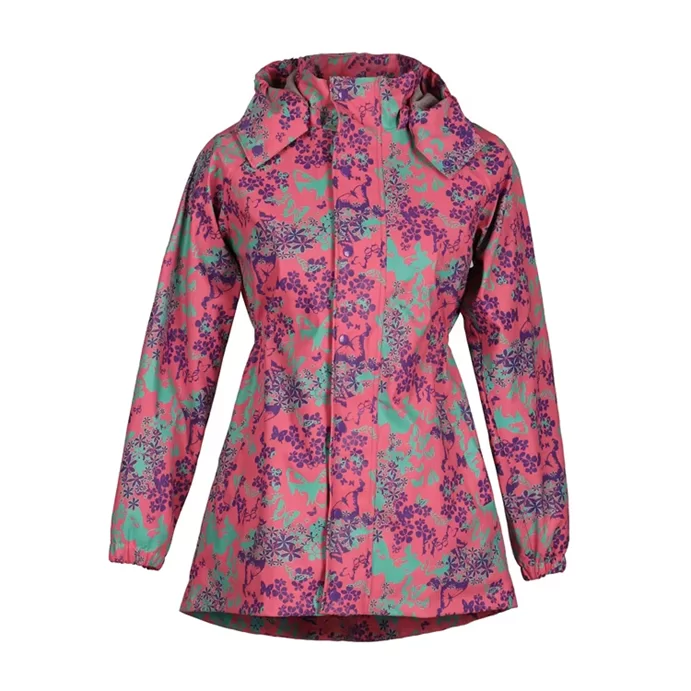
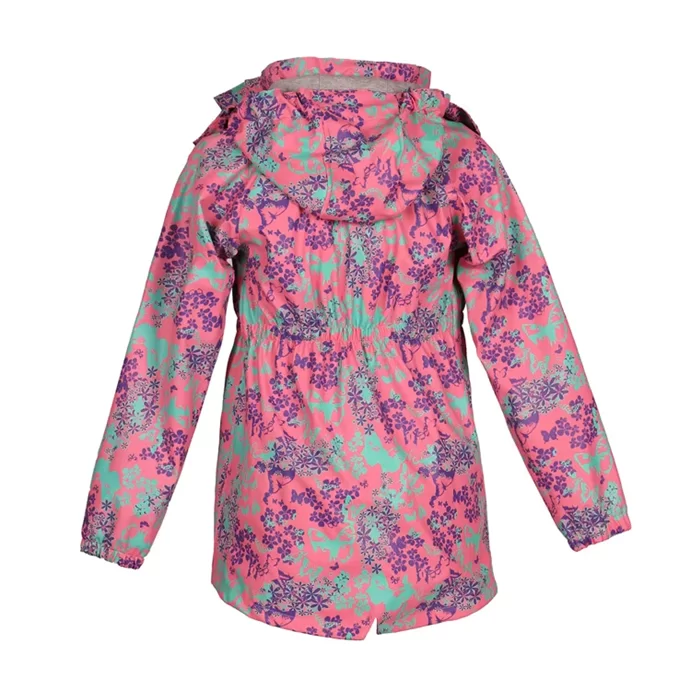
Polyurethane (PU) has become the benchmark for waterproof garments due to its ability to create an impermeable barrier without sacrificing flexibility. Unlike traditional rubberized fabrics, modern PU coatings are applied to knitted polyester bases, resulting in a material that is both lightweight and durable.
For a long sleeve waterproof bib, the weight of the fabric—typically around 190-200gsm—is optimized to provide a shield against wind and rain while remaining comfortable for daily wear in autumn or spring.
True waterproofing is not just about the fabric, but about the construction. The most critical vulnerability in any rain garment is the seam. Standard stitching creates thousands of tiny holes where water can seep through via capillary action. To combat this, professional rainwear utilizes welded seams, where heat and pressure bond the material together, eliminating the need for needles and thread in critical areas.
Furthermore, the design of the closure system is paramount. A concealed front zip protected by a storm flap (placket closure) prevents wind-driven rain from penetrating the zipper teeth. When combined with elasticated sleeve endings, the garment creates a sealed environment that keeps the inner clothing dry even during heavy downpours.
The addition of a T/C single jersey lining serves a dual purpose: it prevents the PU shell from clinging to the skin and provides a necessary layer of thermal insulation, making the garment suitable for various weather conditions rather than just summer rain.
In children's rainwear, functionality must coexist with safety. Visibility is a primary concern during rainy days, which are often accompanied by gray skies and low light. The integration of high-visibility reflectors is not merely an aesthetic choice but a safety requirement for urban and rural environments.
The efficacy of a waterproof bib depends on its ability to maintain a seal during movement; detachable hoods and adjustable waists ensure the garment fits securely without restricting the child's natural range of motion.
Ergonomics also extend to the hood design. A wide brim is essential to shield the face and eyes from rain, while the ability to remove the hood via push-button fastenings prevents the risk of the garment getting caught on playground equipment, providing a quick-release mechanism for the user.
When evaluating the quality of a long sleeve waterproof bib, industry professionals look at a set of performance indices. These include hydrostatic head pressure (the amount of water pressure a fabric can withstand before leaking) and abrasion resistance.
The following conceptual model illustrates the relative importance of different technical factors when designing high-performance rainwear for the junior market, where durability must be balanced with weight.
The practical application of a long-sleeve waterproof system varies significantly based on the environment. In a typical school setting, a lightweight, lined jacket is sufficient for the commute. However, for theme parks, outdoor parties, or nature exploration, the requirements shift toward maximum coverage.
In these scenarios, the "bib" effect—where the garment provides an extended shield over the upper body and arms—is essential for children who are likely to kneel in wet grass or engage in mud-puddle play. The use of All-Over Printing (AOP) not only adds a personalized fashion element but also makes the gear more appealing to juniors, encouraging them to stay active outdoors regardless of the precipitation.
The textile industry is undergoing a significant transition toward chemical safety and environmental responsibility. One of the most critical shifts in rainwear production is the move toward PFC-free materials. Perfluorinated compounds, once common for water repelling, are being phased out due to their persistence in the environment.
Compliance with standards such as Oeko-Tex Standard 100 ensures that the polyurethane and polyester components are free from harmful substances, which is non-negotiable for products intended for children's skin. Furthermore, the adoption of GRS (Global Recycled Standard) audits in factories reflects a broader commitment to circular economy principles within the garment sector.
Modern production facilities are now integrating advanced hydrostatic testers and needle detectors to ensure that every piece of rainwear meets strict quality benchmarks before export to demanding markets in Europe and North America.
Choosing between different rainwear configurations requires an analysis of the intended use case. A lightweight, unlined jacket is ideal for warm, rainy climates, whereas a lined PU jacket is necessary for the cooler temperatures of autumn and spring.
When evaluating a manufacturer, the capability for OEM/ODM services allows for customized logos and specific design adjustments, such as adjusting the waist elasticity or the hood's brim width. This flexibility is crucial for brands looking to target specific age groups or environmental needs.
The following table provides a comparative framework for selecting the appropriate waterproof gear based on the intensity of use and environmental conditions.
| Scenario | Recommended Material | Key Feature Requirement | Suitability Index |
|---|---|---|---|
| Light City Rain | Thin PU / Polyester | Lightweight / Breathable | Moderate |
| Heavy Downpours | Heavy PU Coating | Welded Seams / Storm Flaps | High |
| Outdoor Exploration | PU with Lining | Reflectors / Detachable Hood | Very High |
| Spring/Autumn Chill | Lined PU Fabric | Thermal Lining / Elastic Cuffs | High |
| Themed Events | AOP PU Material | Custom Design / Vibrant Color | Moderate |
| Industrial/School Use | Standard PU | Oeko-Tex Certified / Durable | High |
A water-resistant garment typically uses a DWR (Durable Water Repellent) coating that causes water to bead off the surface, but it eventually saturates under pressure. A 100% waterproof garment, like those using polyurethane (PU) coatings and welded seams, creates a physical barrier that prevents water molecules from penetrating the fabric or the stitching entirely, regardless of the duration of exposure.
Traditional stitching creates thousands of needle holes along every seam, which act as entry points for moisture. Welded seams use heat and specialized equipment to fuse the fabric together, creating a seamless, waterproof bond. This is essential for the long sleeve waterproof bib design, as it ensures that no leaks occur at the shoulders or arms during heavy activity.
A T/C single jersey lining prevents the polyurethane shell from sticking to the wearer's clothing or skin, which can happen due to humidity and heat. Additionally, it provides a layer of warmth for cooler weather and improves the overall comfort and "hand-feel" of the garment, making it a more versatile piece for transition seasons like spring and autumn.
Detachable hoods are a critical safety feature in children's apparel. They prevent the risk of the hood getting snagged on branches, playground equipment, or other objects, which could lead to accidents. Push-button fastenings allow the hood to be removed quickly and easily by the parent or child, ensuring the garment doesn't become a hazard during active play.
Yes, modern PFC-free alternatives provide excellent waterproof performance while eliminating harmful perfluorinated chemicals that persist in the environment. By using high-quality PU coatings and welded seams, manufacturers can achieve a complete waterproof barrier without relying on these toxic substances, making the gear safer for children and the planet.
A buyer should look for certifications such as BSCI and GRS for ethical and sustainable production, and Oeko-Tex Standard 100 for material safety. Additionally, the presence of in-house quality control equipment—such as hydrostatic testers and needle detectors—indicates a professional approach to ensuring product consistency and safety across large production batches.
The transition from basic raincoats to engineered protective systems reflects a deeper understanding of how children interact with their environment. By prioritizing welded seams, PU coatings, and safety-first design elements, the industry provides gear that truly enables outdoor activity without the risk of exposure.
As sustainable practices like PFC-free manufacturing and recycled materials become the standard, the focus shifts toward creating high-performance apparel that is as safe for the user as it is for the ecosystem. For those seeking professional-grade solutions, the integration of technical certifications and ergonomic design remains the most reliable indicator of quality.