
Selecting the right outerwear for children involves a critical balance between absolute water resistance and the freedom of movement necessary for active play. For parents and procurement managers, the technical specifications of a garment often dictate its actual performance in unpredictable weather conditions.
The shift toward sustainable materials in the textile industry has introduced new challenges and opportunities in the production of children's rainwear. Modern requirements now demand not only high waterproof ratings but also the elimination of harmful chemicals, moving away from traditional PVC coatings toward more eco-friendly PU alternatives.
This analysis explores the technical framework and selection criteria for high-performance kids waterproof raincoats, examining how material science and ergonomic design ensure durability and safety for young users.
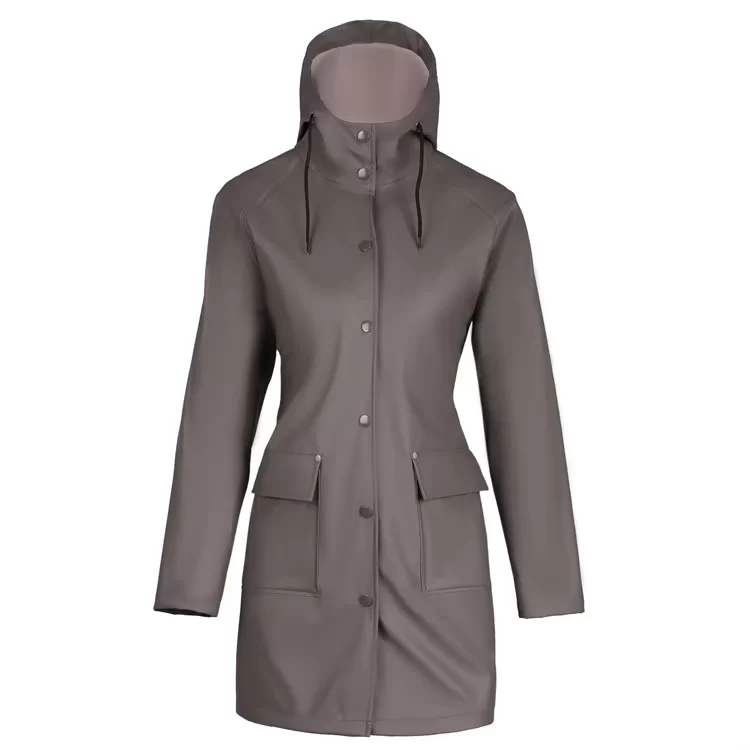
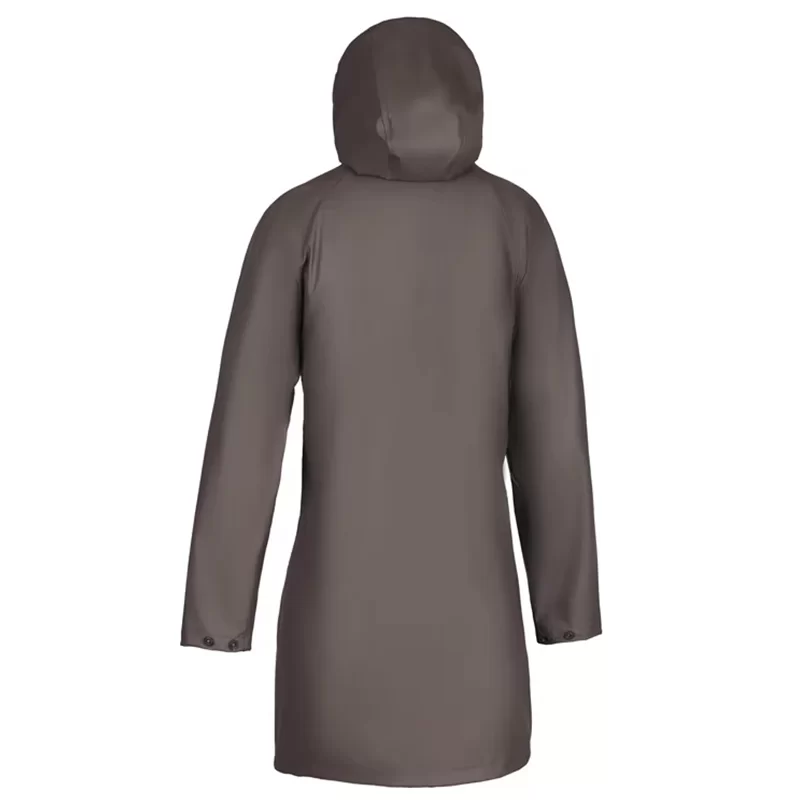
The core of effective rainwear lies in the synergy between the base fabric and the functional coating. Most high-quality children's raincoats utilize a polyester knitted fabric base, often ranging from 190-200gsm, which provides the necessary structural integrity and flexibility for active children.
Polyurethane (PU) is the preferred coating agent due to its superior elasticity and water-blocking capabilities compared to traditional PVC. This combination ensures that the garment remains lightweight while offering a robust barrier against external moisture.
Waterproofing is not merely about the fabric surface but about the systemic management of all entry points. The most critical failure points in rainwear are the seams. While standard stitching creates thousands of tiny holes, welded seams provide a continuous, waterproof bond that prevents capillary action from pulling water into the garment.
Further protection is achieved through the integration of mechanical barriers. High-performance designs incorporate large, adjustable hoods with drawstrings to prevent rain from entering the neckline, as well as adjustable cuffs that seal the wrists against wind and water ingress.
Hardware selection also plays a pivotal role. The use of press studs and push-button closures on flap pockets ensures that internal contents remain dry, while the overall silhouette must allow for layering without compromising the waterproof seal.
The textile industry is undergoing a significant transition toward "green chemistry." The traditional use of PFCs (perfluorinated compounds) in water-repellent finishes has been questioned due to their environmental persistence.
The industry standard is shifting toward PFC-free and PVC-free PU coatings, coupled with the use of recycled polyester, to reduce the environmental footprint without sacrificing the 8000mm water column performance.
Compliance with certifications like Oeko-Tex Standard 100 ensures that the materials used in children's rainwear are free from harmful substances. This is particularly crucial for PU-coated garments, where the safety of the chemical bonding process directly impacts the skin-contact safety of the end-user.
Different rainwear applications require different technical priorities. For instance, a raincoat designed for school commutes focuses on aesthetic silhouette and basic water resistance, whereas gear for outdoor exploration requires higher hydrostatic pressure resistance and reinforced stress points.
By analyzing the relative importance of various features, we can establish a value index that guides the procurement of garments based on the intended intensity of use.
In a typical urban educational setting, the priority for kids waterproof raincoats is ease of wear and visibility. Garments with simple push-button closures allow children to dress themselves quickly, while a fit that accommodates a backpack is essential. The focus here is on preventing moisture soak during short transit periods.
Conversely, in a manufacturer's evaluation for outdoor-grade rainwear, the focus shifts to the water column rating (e.g., 8000mm) and the integrity of welded seams. In these scenarios, the raincoat must withstand persistent heavy rain and wind for extended durations, making the 100% polyurethane coating and reinforced fabric density critical factors.
The next evolution in rainwear involves the integration of "smart" materials that can adapt their breathability based on the wearer's activity level. While current PU coatings provide excellent waterproofing, the trade-off is often a reduction in air permeability, which can lead to internal condensation during high-energy activities.
We are also seeing a move toward circular economy models. Manufacturers are increasingly utilizing GRS (Global Recycled Standard) certified polyester, ensuring that the production of raincoats reduces the reliance on virgin plastics. This trend is driven by both regulatory pressure in European markets and shifting consumer preferences.
Furthermore, the convergence of fashion and function is becoming more pronounced. The "trench coat" silhouette is being adapted for children, combining timeless style with the technical performance of windproof and waterproof PU materials.
When evaluating suppliers for children's rainwear, buyers must look beyond the surface aesthetic. The technical documentation should clearly state the coating type, the fabric weight (gsm), and the certification status (such as BSCI or Oeko-Tex 100).
A critical trade-off often exists between cost and durability. Lower-cost PVC options may offer initial waterproofing but lack the flexibility and longevity of high-grade PU coatings. Welded seams, while more expensive to produce, drastically increase the product's lifespan by eliminating needle-hole leaks.
The following framework provides a comparative analysis of material choices based on intended use cases.
| Material Type | Waterproof Level | Flexibility | Recommended Use |
|---|---|---|---|
| Standard PVC | High | Low | Light drizzle / Low cost |
| Basic PU Coating | Medium-High | Medium | Daily urban wear |
| Premium PU / Welded | Very High | High | Heavy rain / Outdoor exploration |
| Recycled Poly-PU | High | High | Eco-conscious brands |
| Laminated Fabric | High | Medium | Active sports/hiking |
| Treated Nylon | Medium | Very High | Windbreakers / Light rain |
Polyurethane (PU) is generally superior to Polyvinyl Chloride (PVC) for children's wear. PU is more flexible, breathable, and environmentally friendly, as it can be produced without the harmful phthalates often found in PVC. While PVC is cheaper, PU offers better durability and a more comfortable fit for active children, ensuring the garment does not crack over time.
Traditional stitching creates thousands of punctures in the waterproof fabric, which can allow water to seep through via capillary action. Welded seams use heat and pressure to fuse the fabric layers together, creating a seamless, airtight, and watertight bond. This significantly increases the overall waterproof integrity of the garment, especially in heavy rain conditions.
The water column test measures the pressure at which water begins to penetrate the fabric. A rating of 8000mm means the fabric can withstand a column of water 8 meters high before leaking. For context, anything above 5000mm is considered highly waterproof and suitable for heavy rain and persistent wet weather, making it an ideal standard for high-quality kids waterproof raincoats.
The most reliable way to verify safety is by checking for certifications such as Oeko-Tex Standard 100. This certification ensures that every component of the garment—from the thread to the PU coating—has been tested for harmful substances. Additionally, ensuring the product is PVC-free and PFC-free further reduces the risk of skin irritation and environmental toxicity.
For most children's PU rainwear, a fabric weight between 190-200gsm is considered optimal. This range provides a sufficient balance: it is heavy enough to be durable and resistant to tears during play, yet light enough to remain comfortable and not restrict the child's movement. Heavier fabrics may be too stiff, while lighter fabrics may lack the necessary longevity.
Yes, when processed correctly, recycled polyester (GRS certified) can achieve the same technical performance as virgin polyester. The waterproof property is primarily provided by the PU coating applied to the surface, not the origin of the polyester fibers. Using recycled materials allows brands to maintain a high water column rating while significantly reducing the carbon footprint of production.
The engineering of effective kids waterproof raincoats is a complex interplay of material science, seam technology, and ergonomic design. As the industry pivots toward sustainable PU coatings and recycled fabrics, the ability to maintain high hydrostatic pressure resistance while ensuring chemical safety has become the primary benchmark for quality.
For stakeholders in the textile and apparel sector, prioritizing welded seams, Oeko-Tex certified materials, and functional design elements like adjustable hoods will ensure that rainwear provides genuine protection without compromising the child's comfort or the environment.