
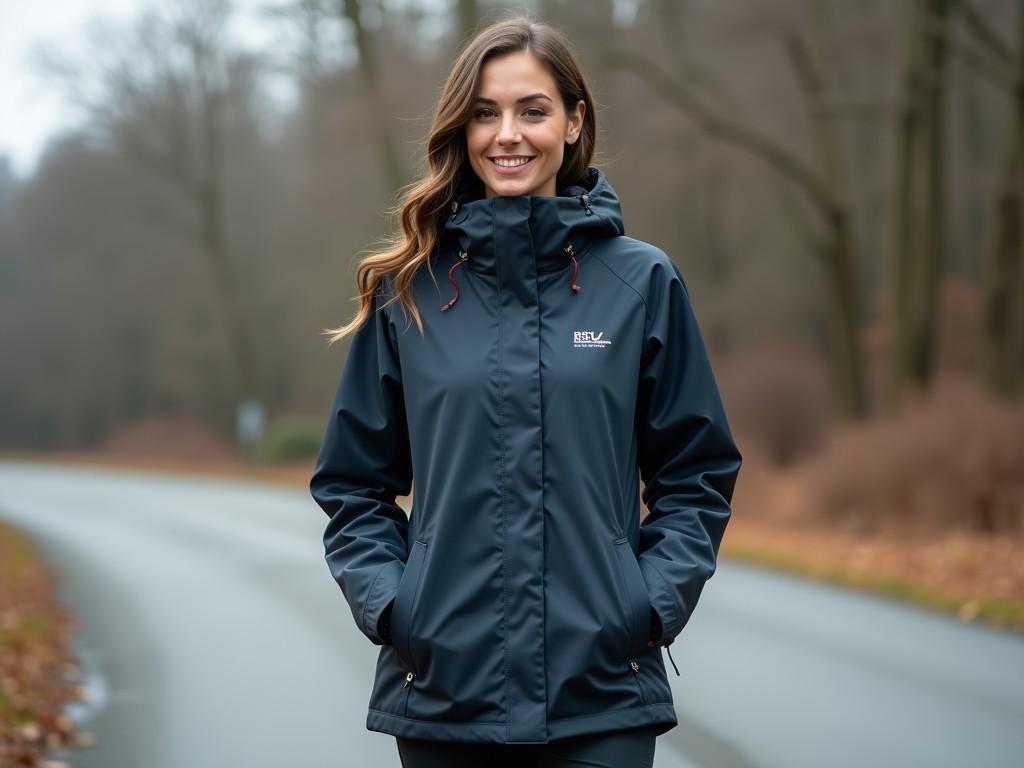
Thermal Waterproof Trousers Womens
Thermal Waterproof Trousers for Women
Engineers and field technicians working in cold, wet environments require garments that maintain thermal efficiency while preventing water ingress. Thermal waterproof trousers for women are designed to meet these dual demands through layered construction and material science principles. Unlike standard insulated pants, these garments integrate waterproof membranes with thermal linings to manage both external moisture and internal heat retention. The design prioritizes mobility without compromising protection, making them suitable for prolonged exposure to sub-zero conditions with precipitation.
The core functionality relies on a three-layer system: an outer shell treated with durable water repellent (DWR) finish, a hydrophilic or microporous waterproof membrane, and an insulating layer. The membrane blocks liquid water while allowing water vapor to escape, reducing internal condensation during physical exertion. Insulation materials such as synthetic polyester fibers or recycled alternatives maintain loft when wet, unlike down which loses effectiveness when saturated. Seam sealing is applied via tape or welding to eliminate leakage points at stitch lines, a critical detail often overlooked in consumer-grade alternatives.
Fit and articulation are engineered for female anatomy, featuring a contoured waist, tapered knees, and gusseted crotch to prevent restriction during bending, climbing, or kneeling. Articulated knees use 3D patterning to follow natural joint movement, reducing fatigue over extended wear. Adjustable waistbands with internal drawstrings or elasticated sides accommodate layering systems without creating pressure points. Ankle cuffs often include adjustable hooks-and-loops or zippers to seal over boots, preventing snow or water ingress while allowing quick removal.
Material Composition and Performance Characteristics
Outer shells typically use nylon or polyester fabrics with denier ratings between 70D and 150D, balancing abrasion resistance with weight. Higher denier fabrics offer greater durability in brush-heavy environments but increase stiffness. The waterproof membrane is commonly polyurethane (PU) or expanded polytetrafluoroethylene (ePTFE), with hydrostatic head ratings ranging from 5,000 mm to over 20,000 mm depending on the intended use. Breathability is measured via moisture vapor transmission rate (MVTR), with values between 5,000 g/m²/24h and 15,000 g/m²/24h indicating suitability for high-activity scenarios.
Insulation weight is specified in grams per square meter (gsm), with common ranges from 40 gsm for mild conditions to 150 gsm for extreme cold. Synthetic insulations like PrimaLoft® or Thinsulate™ retain approximately 90% of their insulating value when wet, a key advantage in prolonged wet-cold exposure. Linings are often brushed polyester or tricot for comfort against skin, reducing irritation during extended wear. All materials are selected for low-temperature flexibility, ensuring the fabric does not become brittle below -20°C.
| Parameter | Typical Range | Relevance to Use Case |
|---|---|---|
| Hydrostatic Head | 5,000 – 20,000 mm | Indicates water pressure resistance; higher values for heavy rain or snowmelt exposure |
| MVTR (Breathability) | 5,000 – 15,000 g/m²/24h | Determines internal moisture management during exertion |
| Insulation Weight | 40 – 150 gsm | Correlates to thermal protection; matched to expected temperature range |
| Outer Fabric Denier | 70D – 150D | Balances durability and flexibility; higher for rugged terrain |
Key Design Features for Industrial and Field Use
Reinforcement panels are strategically placed at high-wear zones such as the seat, knees, and inner cuffs using abrasion-resistant fabrics like Cordura® or ballistic nylon. These patches extend service life in environments involving frequent contact with rough surfaces, ice, or equipment. Reflective trims compliant with ANSI/ISEA 107 standards are available for low-visibility conditions, enhancing safety during dawn/dusk operations or near vehicle traffic. Pocket configurations include vertical hand-warmer pockets with water-resistant zippers and internal mesh pockets for storing essentials like gloves or tools without creating bulk.
Ventilation options such as thigh zippers with storm flaps allow users to regulate microclimate without removing garments, critical during variable activity levels. These vents are positioned to avoid compromising waterproof integrity while enabling rapid heat release. Internal gaiters at the cuffs prevent snow entry when worn over boots, a feature particularly valuable in deep snow or alpine conditions. All zippers are coated or covered to prevent water penetration through the teeth, a common failure point in lower-spec designs.
- Articulated knees for unrestricted movement during climbing or kneeling
- Reinforced seat and knee patches for extended durability in abrasive environments
- Adjustable waist and ankle closures to accommodate layering and boot systems
- Waterproof zippers with storm flaps on pockets and vents
- Optional reflective trims for compliance with high-visibility safety standards
Applications in Cold-Weather Industries
These trousers are routinely specified for utility workers maintaining power lines in winter storms, where exposure to freezing rain and wind demands reliable moisture barrier and thermal performance. In transportation infrastructure, snowplow operators and road maintenance crews rely on them during extended shifts in sub-zero precipitation, where standard work pants fail to prevent conductive heat loss through wet fabric. Forestry technicians operating in snow-covered terrain benefit from the combination of abrasion resistance and insulation when navigating dense underbrush or handling equipment.
Emergency response teams, including search and rescue units in mountainous regions, require garments that perform consistently during rapid transitions between exertion and rest, such as during rope ascents or stationary observation. The breathability index prevents dangerous sweat accumulation that could lead to hypothermia during inactive phases. Marine applications include deckhands on fishing vessels or offshore platforms exposed to spray and freezing temperatures, where saltwater resistance and quick-drying properties are essential for hygiene and comfort.
Cold storage facility workers moving between sub-zero interiors and ambient exteriors benefit from the garment’s ability to manage condensation buildup during transitions, a scenario where non-breathable insulated wear leads to internal dampness and reduced thermal efficiency. The layered construction allows users to adjust insulation levels via base layers without compromising the waterproof barrier, making them adaptable to microclimate shifts common in industrial logistics.
Customization and Specification Options
Manufacturers offer adjustments to insulation type and weight based on regional climate data provided by the client, allowing optimization for specific temperature ranges and humidity conditions. Outer shell fabrics can be selected for enhanced UV stability in high-altitude or reflective snow environments, or for increased chemical resistance in industrial settings where exposure to oils or deicing agents is expected. Seam sealing methods vary between thermal tape and ultrasonic welding, with the latter providing greater longevity in flex-intensive applications.
Length options include regular, tall, and petite cuts to ensure proper fit across diverse body types, reducing the need for alterations and improving compliance with wear protocols. Custom pocket configurations—such as tool-specific loops, radio holsters, or reinforced cargo pockets—can be integrated upon request. Color choices extend beyond standard black or navy to include high-visibility yellows, oranges, and grays, with options for corporate branding via sublimation or embroidery on designated zones.
For procurement teams, technical data packages are available upon request, including material safety data sheets (MSDS), wash test reports for durability validation, and third-party certifications such as OEKO-TEX® Standard 100 or bluesign® approval for environmentally responsible manufacturing. These documents support risk assessment and compliance with corporate sustainability or safety standards.
Quality Control and Manufacturing Considerations
Quality assurance begins with raw material inspection, where hydrostatic head and MVTR tests are conducted on fabric rolls before cutting to ensure batch consistency. During assembly, seam integrity is verified using pressurized water tests or dye penetration methods to detect micro-leaks invisible to visual inspection. Final random inspections include wear simulation tests involving flexing, abrasion, and exposure to simulated precipitation to validate long-term performance under dynamic conditions.
Manufacturing tolerances are maintained through computerized pattern grading and laser cutting to ensure dimensional accuracy, particularly in critical zones like the crotch and knee articulation. Stitch density is controlled to balance seam strength with flexibility—typically 8–10 stitches per inch in load-bearing seams—to prevent puckering or failure under stress. All batches are labeled with traceability codes linking to material lot numbers and production dates, facilitating recalls or investigations if field issues arise.
Environmental controls in production facilities monitor temperature and humidity during lamination and sealing processes to prevent defects such as bubbling or delamination in the waterproof membrane. Post-production, garments undergo conditioning in standardized climate chambers to stabilize dimensions before final measurement and packaging. This step ensures that size specifications remain accurate regardless of seasonal storage variations.
To learn more about technical specifications, request a quotation, or discuss application-specific requirements for your team, visit our contact page.