
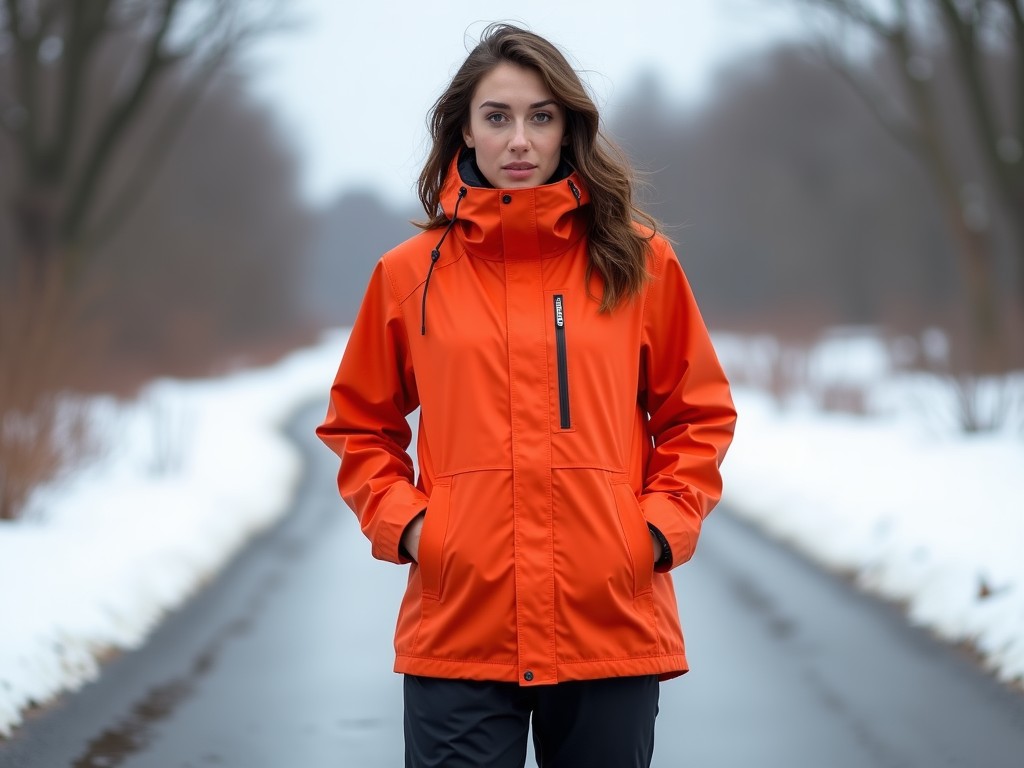
B2B Waterproof Over Trousers Womens
B2B Waterproof Over Trousers for Women
Waterproof over trousers for women in B2B contexts are designed as protective outer layers worn over standard workwear or uniforms to shield against rain, snow, wind, and splashes in outdoor or wet industrial environments. These garments are not fashion items but functional components of personal protective equipment (PPE) systems, engineered to maintain wearer comfort and mobility while preventing water ingress that could lead to hypothermia, reduced dexterity, or contamination of underlying clothing. Selection criteria focus on material performance, seam integrity, fit adaptability, and compatibility with other PPE such as harnesses, boots, and high-visibility vests.
Industrial buyers prioritize verifiable specifications over branding when sourcing these items for teams in utilities, municipal services, construction, agriculture, or outdoor logistics. Key technical considerations include hydrostatic head rating (measured in mm H₂O), breathability (Moisture Vapor Transmission Rate or MVTR), seam sealing methodology, and abrasion resistance at stress points. Unlike retail versions, B2B specifications often require consistent sizing across batches, traceable material sourcing, and documentation for compliance with internal safety protocols or regional regulations such as EN 343 for protective clothing against rain.
This page explains the engineering and material science behind effective waterproof over trousers, focusing on measurable characteristics that determine suitability for professional use. Rather than promoting specific models, it outlines the functional attributes procurement teams should evaluate when comparing suppliers or defining technical requirements for tender documents. Understanding these factors reduces the risk of selecting garments that fail under prolonged exposure or compromise worker safety through overheating or restricted movement.
Material Construction and Waterproofing Mechanisms
The primary waterproof barrier in industrial over trousers is typically a microporous or hydrophilic polymer laminate bonded to a textile substrate. Common base fabrics include nylon or polyester terephthalate (PET) with denier ratings between 150D and 450D, providing a balance of tear strength and weight. The laminate layer—often polyurethane (PU) or polytetrafluoroethylene (ePTFE)—contains microscopic pores smaller than water droplets but larger than water vapor molecules, enabling liquid water resistance while allowing sweat vapor to escape.
Hydrostatic head testing measures the pressure (in mm H₂O) a fabric can withstand before water penetrates. For continuous outdoor work in heavy rain, a minimum rating of 5,000 mm H₂O is generally recommended, with 10,000 mm H₂O or higher preferred for prolonged exposure or wind-driven rain. Breathability, quantified as MVTR in grams per square meter per 24 hours (g/m²/24h), should exceed 5,000 g/m²/24h for active work to prevent internal condensation buildup; values above 8,000 g/m²/24h indicate high breathability suitable for strenuous tasks.
Seam construction is critical, as stitch holes create potential leakage points. Fully taped seams apply waterproof tape over stitched joints using heat or adhesive bonding, while welded seams use ultrasonic or RF energy to fuse the laminate layers without perforations. Abrasion-resistant reinforcements—typically additional layers of PU-coated fabric or thermoplastic polyurethane (TPU) patches—are applied at the knees, seat, and inner cuffs to extend service life in environments involving kneeling, crawling, or contact with rough surfaces.
Design Features for Functional Fit and Usability
Unlike standard trousers, over trousers are cut larger to accommodate underlying layers such as fleece, insulated pants, or duty uniforms. The cut must allow unrestricted movement during bending, squatting, or climbing without binding at the waist, hips, or knees. Key design elements include an articulated knee pattern, a gusseted crotch, and adjustable waist tabs or elasticated side panels to secure the garment over varying inner layers without slipping.
Ankle closures prevent water entry and snow ingress; common options include hook-and-loop straps, snap buttons, or adjustable drawcords with cord locks. Some models feature reinforced kick patches or rubberized grips to resist wear from boot contact. Front openings typically use waterproof zippers with storm flaps or overlapping fabric covers to block water penetration through the zipper teeth. Pocket placement—if included—is designed to remain accessible when worn over a harness or belt, often positioned high on the thigh or featuring water-resistant zippers.
Weight and packability matter for workers who carry the garment intermittently. Lightweight constructions using 150D polyester with PU coating may weigh under 200 grams per pair (size M), while more durable 450D nylon with ePTFE laminate can exceed 400 grams. Compressibility is evaluated by volume when folded or stuffed into a sack; designs with minimal bulk allow storage in vehicle gloveboxes, tool belts, or backpacks without significant space penalty.
Performance Comparison: Key Technical Parameters
| Parameter | Typical Range (Light Duty) | Typical Range (Heavy Duty) | Relevance to Use Case |
|---|---|---|---|
| Hydrostatic Head (mm H₂O) | 3,000 - 5,000 | 8,000 - 15,000+ | Determines resistance to rain penetration under pressure; higher values needed for wind-driven rain or prolonged exposure. |
| MVTR (g/m²/24h) | 3,000 - 6,000 | 6,000 - 10,000+ | Measures breathability; higher values reduce internal moisture buildup during active work. |
| Fabric Weight (gsm) | 120 - 180 | 200 - 300+ | Impacts durability and abrasion resistance; heavier fabrics resist tearing but increase thermal load. |
| Seam Type | Taped seams | Fully taped or welded seams | Welded seams eliminate needle holes; critical for continuous wet exposure. |
| Abrasion Cycles (Martindale) | 5,000 - 10,000 | 15,000 - 30,000+ | Indicates resistance to surface wear; vital for knee and seat areas in demanding tasks. |
*Note: Values represent typical ranges for common constructions; actual performance depends on specific material combinations, coating thickness, and manufacturing tolerances. Procurement specifications should define minimum thresholds based on environmental risk assessments.
Applications Across Industrial Sectors
In municipal road maintenance and utility work, crews operate in prolonged wet conditions where standard uniforms become saturated, increasing weight and heat loss. Waterproof over trousers worn over high-visibility pants maintain dryness underneath while preserving the visibility of the underlying garment. The ability to quickly don or remove the over trousers during shifting weather supports operational flexibility without requiring full uniform changes.
Agricultural workers handling livestock, irrigation, or field harvesting benefit from protection against mud, animal waste, and crop sprays. The smooth, non-absorbent surface facilitates cleaning with water jets or disinfectants, reducing biohazard retention compared to fabric absorbent materials. Reinforced seams and abrasion-resistant kneepads withstand frequent contact with soil, concrete, or metal equipment.
Outdoor logistics and last-mile delivery personnel face variable weather during extended shifts. Lightweight, packable over trousers stored in a side pouch or cab compartment provide rapid deployment when precipitation begins. Features like ankle grips prevent ride-up during walking or cycling, while secure closures maintain coverage when mounting or dismounting vehicles. Compatibility with tool belts or waist-mounted radios is achieved through low-profile waist adjusters that avoid creating pressure points.
Customization Options for B2B Procurement
Industrial buyers often require adaptations beyond standard catalog offerings to align with specific operational uniforms, safety protocols, or branding needs. Common customization points include waist and inseam grading to match existing work pant sizes, ensuring consistent layering without excessive bulk or tightness. Length adjustments—such as shorter inseams for restricted mobility environments or longer lengths for deep snow—can be specified without redesigning the core pattern.
Color options extend beyond basic black or navy to include high-visibility yellows, oranges, or greens that meet ANSI/ISEA 107 or EN ISO 20471 standards when combined with reflective tape placement. Reflective strips can be positioned on the lower leg, thigh, or heel to enhance visibility during low-light operations, with width, spacing, and compliance certification defined per order. Logo application via screen printing, heat transfer, or embroidery is available on accessible areas such as the hip or thigh, subject to seam clearance and fabric tension limits.
Material substitutions may be requested for specific chemical resistance (e.g., PU coatings resistant to oils or mild acids) or enhanced tear strength in forestry or debris-heavy environments. Closure types—such as replacing hook-and-loop with rust-resistant plastic snaps or heavy-duty zippers—can be specified for marine or freezing conditions. Packaging options range from individual polybags with barcode labels to bulk packing in cartons with size-specific dividers, supporting efficient distribution to multiple sites or centralized storage.
Quality Assurance and Testing Protocols
Reliable performance begins with incoming material inspection, where laminate adhesion strength (measured in N/cm via peel tests) and hydrostatic head of the raw fabric are verified before cutting. Dimensional stability is assessed after repeated washing cycles to ensure the garment does not shrink or distort, which could compromise fit or seam integrity over time. Colorfastness to light, rubbing, and perspiration is tested to prevent fading or staining that could affect professional appearance or visibility compliance.
Finished garment testing includes dynamic waterproofing under simulated rain exposure (e.g., ISO 105-E04) and breathability measurements using sweating guarded hotplate (ISO 11092) to confirm real-world performance. Seam leakage is checked via hydrostatic pressure testing on taped or welded joints. Abrasion resistance is evaluated using Martindale or Taber abrasion testers on high-stress areas. Batch-to-batch consistency is maintained through statistical process control on critical parameters such as coating weight, seam width, and trim placement.
Documentation accompanying shipments typically includes a certificate of conformance stating compliance with specified technical requirements, test reports for key performance indicators, and care instructions that preserve waterproofing (e.g., avoiding fabric softeners, tumble drying at low temperatures). Traceability markers such as batch numbers or QR codes link each garment to its production record, supporting audits or warranty claims. These practices reduce uncertainty for buyers integrating the garments into broader PPE management systems.
For technical specifications, customization requests, or to discuss how these waterproof over trousers can be adapted to your team’s operational requirements, please contact our industrial sales team.
Request Technical Consultation