
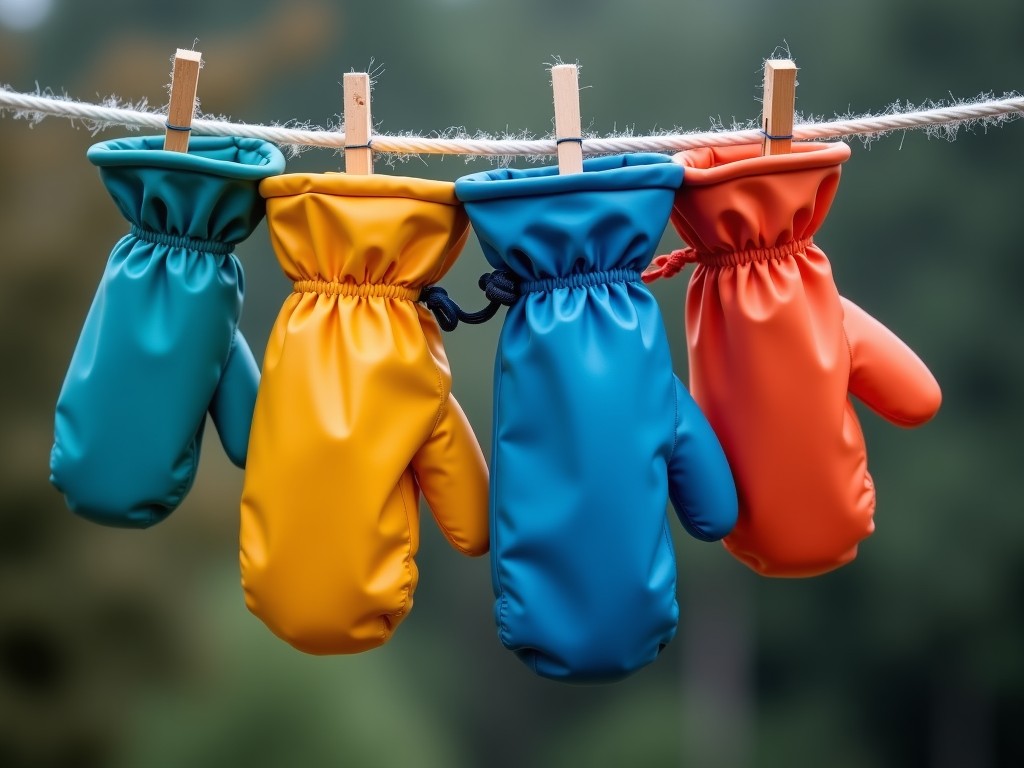
Factory Direct Waterproof Mittens On String
Factory Direct Waterproof Mittens on String
Waterproof mittens on string are specialized hand protection devices designed for industrial environments where moisture exposure, dexterity limitation, and tool drop prevention are critical concerns. Unlike standard gloves, these mittens feature a fully enclosed thumb compartment and are physically tethered via a durable cord to prevent loss during high-movement operations. The string attachment ensures immediate retrievability while maintaining hand mobility for tasks requiring intermittent glove use.
The waterproof barrier is achieved through a laminated polymer coating applied to a flexible textile substrate, creating a continuous membrane that resists liquid penetration under pressure. This construction differs from surface treatments by providing uniform protection across seams and stress points, reducing the risk of localized failure during prolonged exposure to oils, coolants, or cleaning agents. The mittens are engineered for single-use or limited reuse scenarios where contamination control outweighs long-term durability.
Material Composition and Performance Characteristics
The base layer consists of a spunbond polypropylene nonwoven fabric selected for its tensile strength (typically 35-45 N/5cm in MD and 25-35 N/5cm in CD), low lint generation, and compatibility with thermal lamination processes. This substrate provides dimensional stability while allowing breathability to reduce internal moisture buildup during extended wear.
A microporous polyethylene film is laminated to the nonwoven using heat and pressure, forming a waterproof barrier with a hydrostatic head resistance exceeding 1.3 m (130 mmH₂O) as measured by ISO 811 standard test methods. This level of resistance prevents penetration of water-based fluids under typical industrial splash and spray conditions while maintaining flexibility at temperatures down to -10°C.
The attachment string is manufactured from braided nylon 6,6 with a minimum break strength of 250 N and UV-stabilized to resist degradation from sunlight exposure during outdoor storage or use. The string is secured via a reinforced bar tack stitch at the mitten cuff, designed to withstand repeated tugging forces without detachment.
Design Features for Industrial Use
The mitten cut provides superior thermal retention compared to fingered gloves in cold environments by minimizing surface area exposed to ambient air, while the single thumb compartment allows sufficient grip for handling tools, valves, or control panels. This design reduces the risk of frostbite in refrigeration, outdoor winter maintenance, or cryogenic processing areas where dexterity demands are moderate but thermal protection is essential.
The string length is standardized at 600 mm (±25 mm) to balance reach and entanglement risk, allowing the mittens to dangle freely when not in use without interfering with footwork or getting caught in machinery. The cord terminates in a heat-sealed end to prevent fraying and ensure consistent length over time.
Seams are constructed using ultrasonic welding rather than stitching to eliminate needle holes that could compromise the waterproof membrane. This method creates a homogeneous bond with peel strength exceeding 8 N/cm, ensuring integrity under flexing and thermal cycling conditions encountered in processing plants or outdoor utility work.
Typical Applications Across Industries
In food processing facilities, these mittens are used during sanitation cycles where workers frequently remove and replace hand protection when switching between raw handling and cleaned surface contact. The string prevents contamination risks from dropped gloves while allowing quick donning when moving between zones with different hygiene requirements.
Marine and offshore operations utilize them during deck maintenance in wet conditions, where losing a glove overboard presents both a safety hazard and environmental concern. The tether ensures immediate recovery even in high-wind or rough-sea scenarios where manual retrieval would be impractical.
Cold storage warehouses issue them to personnel performing brief exterior tasks such as trailer docking or ice removal, where removing insulated gloves for dexterity-intensive tasks would lead to rapid heat loss. The string allows workers to keep protection accessible without compromising core body temperature maintenance.
Quality Control and Manufacturing Considerations
Each batch undergoes hydrostatic head testing on a sample basis to verify waterproof performance, with acceptance criteria set at a minimum of 1.0 m water column pressure without leakage after 5 minutes of exposure. Visual inspection under 10x magnification confirms seam integrity and absence of pinholes in the laminated film.
String attachment strength is validated using a tensile tester configured to apply a steady load until failure, ensuring the bar tack stitch and cord junction meet the 250 N minimum break strength specification. Dimensional checks are performed on cuff width and string length to maintain consistency across production runs.
Packaging is conducted in sealed polyethylene bags containing 50 pairs per unit, with each bag labeled with lot number, production date, and reference to the applicable material safety data sheet. This method prevents moisture ingress during storage and supports traceability for quality audits.
| Parameter | Typical Value | Test Method |
|---|---|---|
| Hydrostatic Head Resistance | ≥1.3 m | ISO 811 |
| String Break Strength | ≥250 N | ASTM D2256 |
| Seam Peel Strength | ≥8 N/cm | ASTM D882 |
| Operating Temperature Range | -10°C to +40°C | Internal Thermal Cycling |
| Mitten Size (Length x Width) | 280 mm × 140 mm | Caliper Measurement |
Customization options are available upon request, including adjusted string lengths for specific ergonomic requirements, alternative cuff closures such as hook-and-loop fasteners for improved fit, and modified laminate formulations for enhanced resistance to specific chemicals like hydraulic fluids or alkaline cleaners. These adaptations are evaluated based on process compatibility testing rather than assumed performance.
For technical inquiries, sample requests, or to discuss specific application requirements, contact our engineering team directly. We provide detailed material specifications, test reports, and guidance on proper use and storage conditions to support informed procurement decisions.