
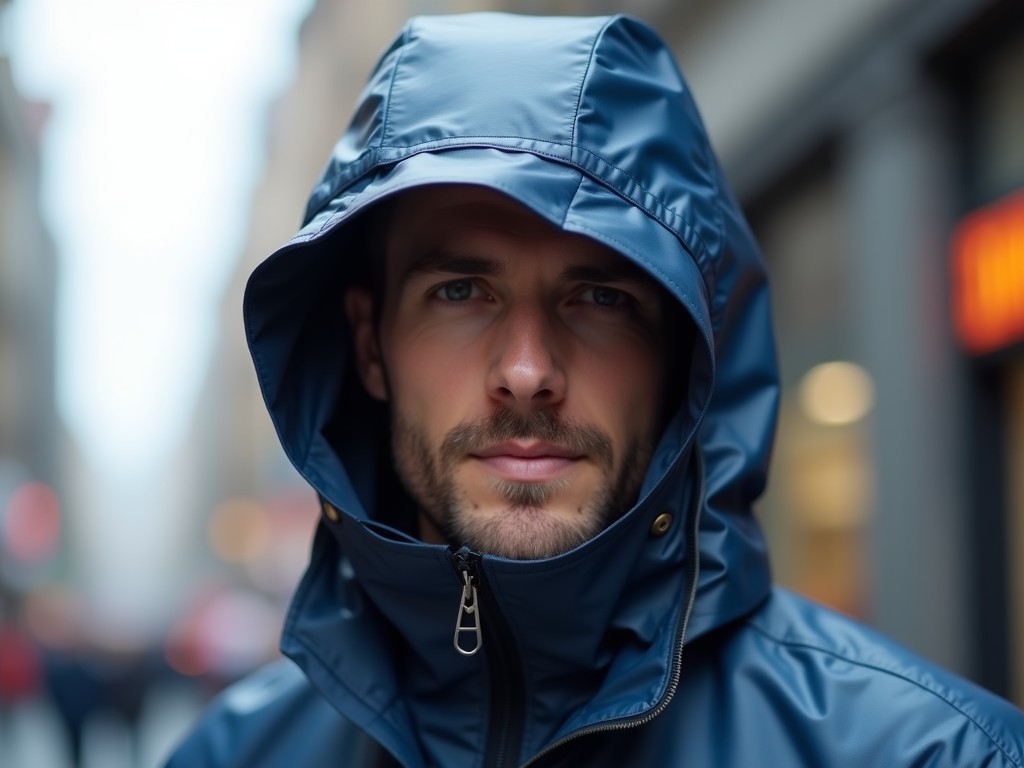
Factory Direct Waterproof Hats For Men
Factory Direct Waterproof Hats for Men
Industrial environments demand head protection that maintains performance under prolonged exposure to moisture, wind, and temperature variation. Waterproof hats for men are engineered not merely to repel water but to sustain structural integrity, thermal regulation, and wearer comfort across extended shifts in construction, marine operations, agriculture, and utility maintenance. Selecting the appropriate design requires understanding how material composition, seam construction, and ventilation systems interact under real-world conditions.
Material Performance and Waterproofing Mechanisms
The effectiveness of a waterproof hat depends on the synergy between outer shell material, membrane technology, and seam sealing methods. Unlike consumer-grade rainwear that relies on surface treatments prone to degradation, industrial variants utilize laminated or coated systems where waterproof performance is integral to the fabric structure. Common configurations include polyurethane-coated nylon, PTFE membranes bonded to polyester ripstop, or advanced polyester elastomer blends with hydrostatic head ratings exceeding 10,000 mm.
Hydrostatic head testing measures the height of a water column the fabric can withstand before leakage occurs. Ratings above 5,000 mm indicate resistance to heavy rain; values between 10,000–20,000 mm are typical for prolonged exposure in offshore or high-humidity industrial settings. Breathability, measured in grams of moisture vapor transmitted per square meter per 24 hours (g/m²/24h), must be balanced against waterproofing—values from 5,000 to 15,000 g/m²/24h prevent internal condensation buildup during physical exertion.
Seam integrity is equally critical. Needle penetration creates micro-channels that compromise waterproofing unless sealed. Industrial hats use taped seams with heat-activated polyurethane tape applied over stitched joints, or ultrasonic welding in thermoplastic materials to eliminate needle holes entirely. Bartack reinforcement at stress points—such as brim attachments and chin strap anchors—prevents seam failure under mechanical load.
Design Features for Industrial Use
Industrial waterproof hats incorporate functional elements that address specific operational challenges beyond basic water resistance. Brim design, for example, influences both precipitation deflection and peripheral vision. A curved, downward-angled brim of 60–75 mm width effectively sheds water away from the face and neck while minimizing obstruction to upward or lateral sightlines—critical in crane operation, scaffolding work, or vehicle maneuvering.
Adjustment systems must accommodate layered clothing, hard hat compatibility, and rapid donning/doffing in changing weather. Elasticized sweatbands with silicone grips prevent slippage during movement, while rear drawcords or hook-and-loop closures allow fit adjustment without removing gloves. Models intended for use under hard hats feature low-profile crowns and compressed side panels to avoid pressure points or interference with suspension systems.
Ventilation strategies prevent heat stress without compromising waterproofing. Laser-drilled micro-vents in the crown or side panels, protected by hydrophobic membranes, allow vapor escape while blocking liquid ingress. Some designs incorporate mesh-lined sweat channels that wick moisture toward evaporation zones, reducing skin irritation during extended wear in warm, humid climates.
Typical Applications Across Industries
In marine and offshore environments, waterproof hats are essential for deck personnel exposed to spray, wave splash, and wind-driven rain. The combination of saltwater resistance, UV stability, and quick-drying liners reduces the risk of skin irritation and maintains comfort during 12-hour watches. Brims are often darkened underneath to minimize glare from water surfaces, improving visibility during navigation or cargo handling.
Construction crews working in elevated or open-site conditions benefit from hats that integrate with high-visibility safety gear. Reflective trims or fluorescent underbrims enhance visibility in low-light or foggy conditions without requiring separate accessories. Water-resistant sweatbands prevent saturation that could lead to discomfort or microbial growth during multi-day use in rainy seasons.
Agricultural workers face prolonged exposure to irrigation mist, morning dew, and sudden downpours. Hats with antimicrobial-treated liners and easy-to-clean surfaces support hygiene protocols in food-adjacent operations. Packable designs that retain shape after compression allow storage in tool belts or vehicle compartments, ensuring readiness when weather changes abruptly.
Comparison of Common Construction Types
| Construction Type | Waterproof Mechanism | Breathability (g/m²/24h) | Typical Use Case |
|---|---|---|---|
| PU-coated nylon | Surface lamination | 3,000–6,000 | General purpose, intermittent rain |
| PTFE membrane laminate | Microporous barrier | 8,000–12,000 | Marine, offshore, high-exertion |
| Polyester elastomer blend | Monolithic coating | 5,000–9,000 | Construction, agriculture, utility |
| Ultrasonically welded TPU | Seam-free bonding | 6,000–10,000 | Cleanroom-adjacent, chemical splash zones |
Customization and Procurement Considerations
Factory direct sourcing enables specification of material performance tiers, brim geometry, and closure types to match site-specific risk assessments. Buyers can request hydrostatic head and breathability test reports from accredited laboratories to validate claims. Minimum order quantities typically start at 100 units for standard configurations, with lead times of 3–4 weeks for material sourcing and production, depending on customization complexity.
Color options extend beyond basic navy or black to include high-visibility yellow, orange, or lime green substrates with UV-stable dyes that resist fading under prolonged sun exposure. Logo placement is available via screen printing, heat transfer, or embroidery on designated zones such as the front panel or rear strap—areas selected to avoid compromising seam integrity or waterproof barriers.
Packaging is optimized for bulk handling: hats are folded to minimize creasing, packed in moisture-resistant polybags, and cartoned in quantities of 20 or 50 units per carton with clear labeling of size, material code, and batch number. Export packaging includes corner protectors and waterproof outer liners for sea freight protection.
To initiate a quotation, provide details on intended use environment, expected exposure duration, required safety integrations (e.g., hard hat compatibility), and any branding or certification needs. Technical teams review submissions to recommend appropriate material systems and construction methods that balance performance, cost, and lead time.