
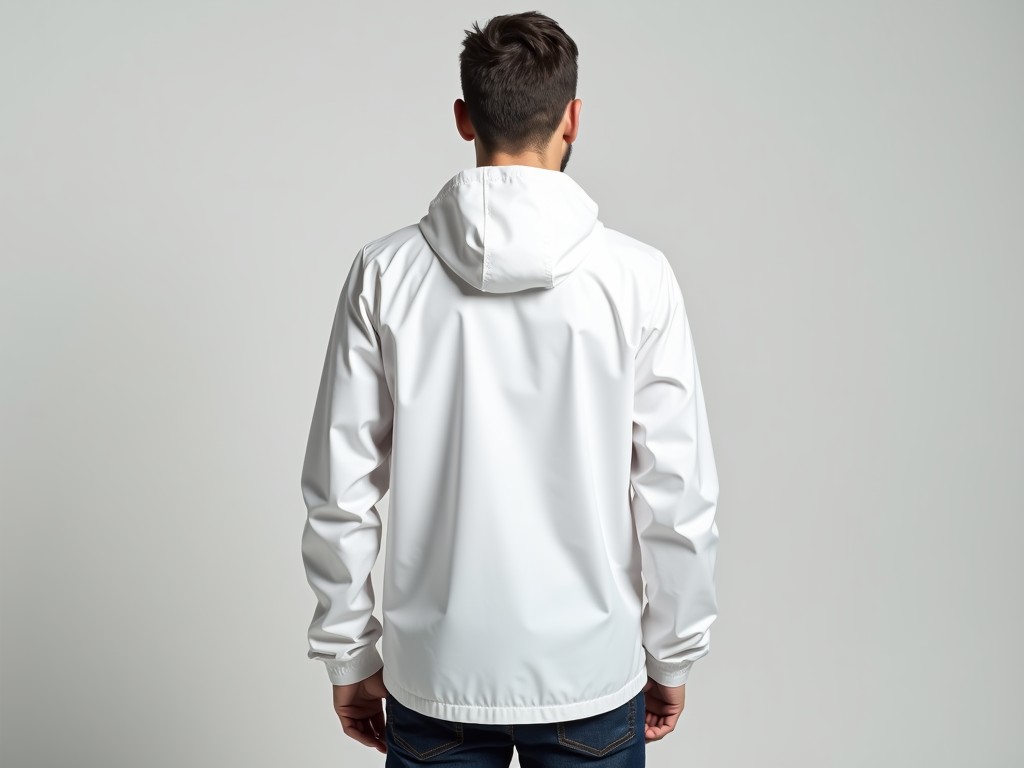
White Mens Rain Jacket Top Supplier
White Mens Rain Jacket: Technical Specification Guide for Industrial Procurement
This document outlines the technical specifications, material considerations, and performance criteria for white men's rain jackets intended for industrial and occupational use. Understanding these parameters enables procurement teams to evaluate suppliers based on measurable engineering characteristics rather than subjective claims.
Industrial rain protection requires specific functional attributes: water resistance, breathability, durability under repeated use, and compliance with workplace safety standards. The following sections detail each characteristic with objective metrics where applicable.
Supplier evaluation should focus on traceable material data, consistent manufacturing tolerances, and verifiable performance testing. This guide supports informed decision-making for bulk procurement in sectors including construction, utilities, transportation, and outdoor service operations.
Material Composition and Water Resistance Performance
The primary determinant of rain jacket performance is the outer shell material and its surface treatment. Industrial-grade jackets typically use polyester or nylon bases with polyurethane (PU) or thermoplastic polyurethane (TPU) coatings. Water resistance is quantified by hydrostatic head test results, measured in millimeters (mm H₂O).
For sustained protection in industrial environments, a minimum hydrostatic head of 5,000 mm is recommended. Jackets rated at 10,000 mm or higher provide extended resistance against wind-driven rain and prolonged exposure. Coating thickness uniformity and adhesion to the substrate directly affect long-term performance after abrasion or flexing.
Breathability, measured as moisture vapor transmission rate (MVTR) in grams per square meter per 24 hours (g/m²/24h), must balance water resistance. Industrial users require MVTR values above 5,000 g/m²/24h to prevent internal condensation during physical activity. Microporous coatings or laminated membranes achieve this balance more effectively than solid PU films.
Seam Construction and Integrity
Seam integrity is a critical failure point in rain jackets. Industrial applications demand fully taped or welded seams to prevent water penetration through stitch holes. Seam tape must maintain adhesion after repeated flexing, washing, and exposure to UV or chemicals.
Tape width typically ranges from 20mm to 25mm for main seams and 15mm for auxiliary areas. Peel strength values above 8 N/cm indicate durable bonding. Some manufacturers use ultrasonic welding for seamless joints in high-stress areas, eliminating tape degradation risks entirely.
Stitch density in non-taped areas (if any) should exceed 8 stitches per cm with UV-resistant polyester thread. Bar tacks at stress points (pocket corners, hood attachments) must withstand minimum 50N tensile load. Visual inspection for tape bubbling, delamination, or incomplete coverage is essential during quality control.
Design Features for Occupational Use
Industrial rain jackets incorporate functional elements beyond basic water protection. Adjustable hoods with laminated brims maintain visibility in precipitation. Storm flaps over zippers prevent water ingress through the front closure. Zipper quality is rated by corrosion resistance and cycle endurance—coil zippers with polyester tape and nickel-plated sliders are standard for 5,000+ cycles.
Cuff adjustments using hook-and-loop or snap closures prevent water runoff into sleeves. Interior storm cuffs with elastic or lycra layers improve seal effectiveness. Ventilation options include underarm zippers with storm flaps or back yoke vents, designed to release vapor without compromising water resistance.
Pocket configuration affects usability. Hand-warmer pockets with drainage grommets and secure closures (zipper or flap) are preferred. Interior storage for documents or electronics requires water-resistant zippers or sealed compartments. Reflective trim compliance with ANSI/ISEA 107 standards enhances visibility in low-light work environments.
Sizing, Fit, and Layering Compatibility
Industrial buyers must specify sizing systems clearly. Jackets should accommodate layered clothing systems—base layer, mid-layer insulation, and outer shell—without restricting movement. Chest measurements typically range from 90cm to 140cm in 2cm increments for standard sizing.
Sleeve length is measured from center back neck to cuff, accounting for shoulder slope. Back length should cover the lumbar region during bending motions, usually 70% of total height. Articulated elbows and gusseted underarms improve mobility for tasks requiring reaching or lifting.
Tolerance specifications are critical for bulk orders. Length variations should not exceed ±1.5cm; circumference measurements ±1.0cm. Consistent sizing reduces return rates and ensures proper fit across large workforces. Suppliers must provide graded measurement charts for all sizes offered.
Quality Control and Testing Protocols
Reliable suppliers implement standardized testing at multiple production stages. Raw material inspection includes coating thickness measurement (micrometers), adhesion testing (ASTM D903), and hydrostatic head verification on coated fabric rolls. In-line checks monitor seam tape application temperature and pressure.
Finished garment testing comprises: hydrostatic head retest (ASTM D3393), MVTR (ASTM E96), seam leakage test (AATCC 35), colorfastness to washing (ISO 105 C06), and dimensional stability after laundering (ISO 6330). Batch testing frequency should be defined—typically one test per 500 units or per production lot.
Documentation is essential. Suppliers must provide test reports upon request, including sample size, test method, date, and results. Traceability codes linking garments to material batches and test records support accountability. Third-party lab accreditation (e.g., ISO 17025) adds credibility to reported data.
Comparison of Common Industrial Rain Jacket Constructions
| Characteristic | Coated Polyester (PU) | Laminated Membrane (e.g., PU) | Nylon with TPU Coating |
|---|---|---|---|
| Typical Hydrostatic Head (mm) | 3,000 - 8,000 | 10,000 - 20,000 | 5,000 - 15,000 |
| MVTR (g/m²/24h) | 2,000 - 5,000 | 8,000 - 15,000 | 4,000 - 8,000 |
| Abrasion Resistance (Cycles) | 1,000 - 3,000 | 3,000 - 6,000 | 2,000 - 4,000 |
| Flex Crack Resistance | Moderate | High | Good |
| Typical Use Case | Light-duty, intermittent use | Continuous outdoor work | General industrial, moderate exposure |
Note: Values represent typical ranges; actual performance depends on specific material formulation and construction. Suppliers should provide test data for their exact products.
Customization Options and Procurement Considerations
Industrial procurement often requires customization beyond standard catalog items. Common modifications include: adjustable torso length (±5cm), extended sleeve options, reinforced stress points (bar tacks or patches), and specialized pocket layouts for tools or devices. Color consistency is critical—white shades must meet specified CIE L*a*b* tolerances (ΔE < 2.0) to avoid visible variation across batches.
Logo application methods affect durability. Screen printing with plastisol inks withstands 50+ washes; heat-transfer vinyl may degrade faster under flexing. Embroidery requires backing stabilization to prevent puckering. All customization should be tested for impact on water resistance—particularly around seams and closures.
Packaging specifications influence handling and storage. Individual polybagging with silica gel prevents moisture during transit. Carton dimensions and weight limits must align with warehouse handling equipment. Suppliers should provide detailed packing lists, including size ratios and total piece counts per carton.
Lead time transparency is essential. Raw material sourcing, particularly for specialty coatings or laminated fabrics, can extend production cycles. Clearly defined milestones—fabric approval, pre-production sample, bulk production start—help manage expectations. Expedited options may involve air freight for critical components.
For technical inquiries, specification sheets, or to discuss custom requirements for industrial rain jackets, contact our engineering team. We provide detailed material data sheets, test reports, and size charts to support your evaluation process.