
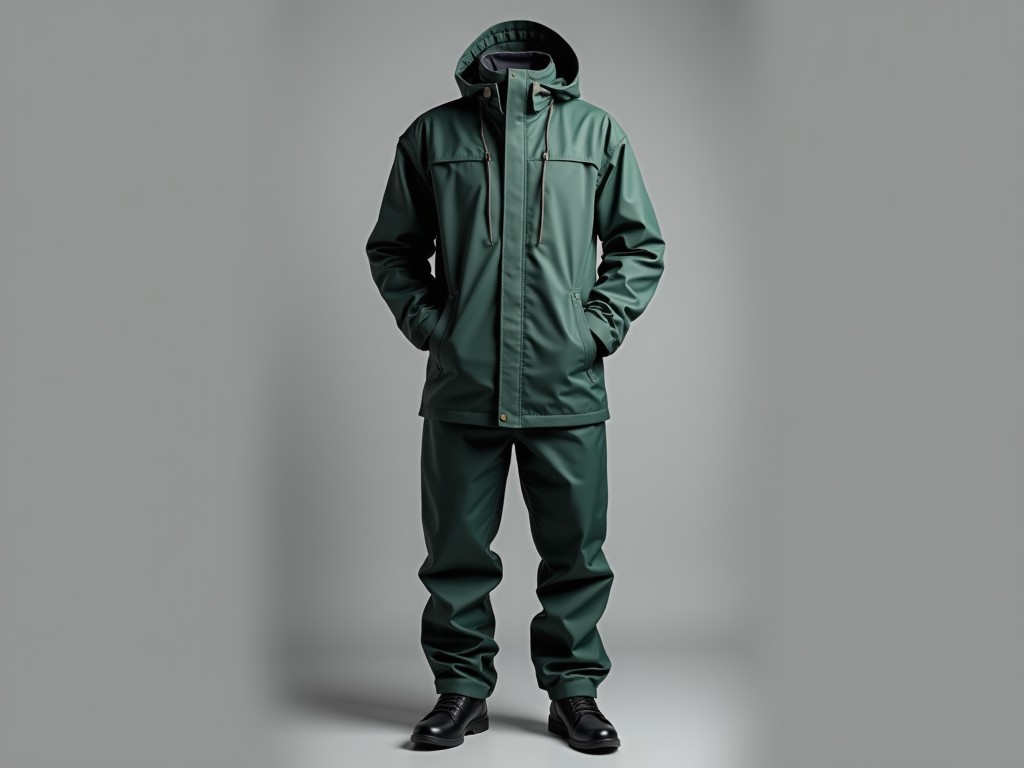
Waterproof Shell Pants Mens
Waterproof Shell Pants for Men
Waterproof shell pants for men are engineered as an outer protective layer designed to shield against precipitation, wind, and abrasion while maintaining breathability and freedom of movement. Unlike insulated trousers, these garments rely on a membrane or coating system to block liquid water ingress while allowing water vapor to escape, making them suitable for dynamic activities in wet environments. Selection depends on understanding the balance between hydrostatic head, moisture vapor transmission rate (MVTR), seam construction, and material durability—factors that directly impact performance and longevity in field conditions.
Material Composition and Membrane Technology
The primary waterproofing mechanism in modern shell pants is a microporous or hydrophilic membrane laminated to the inner face of a durable face fabric, commonly nylon or polyester with a denier range of 40D to 70D for abrasion resistance. Membranes such as ePTFE (expanded polytetrafluoroethylene) or polyurethane-based systems achieve hydrostatic head ratings typically between 10,000 mm and 20,000 mm under standardized test conditions (JIS L 1092 or ISO 811), indicating the water column height the fabric can withstand before leakage. Face fabrics are often treated with a durable water repellent (DWR) finish, which reduces surface tension and causes water to bead and roll off, preventing saturation that could impair breathability.
Breathability is quantified by MVTR, measured in grams of water vapor passing through one square meter of fabric in 24 hours (g/m²/24h). High-performance shell pants target MVTR values above 10,000 g/m²/24h to manage perspiration during moderate exertion, though actual performance depends on external humidity, temperature gradient, and activity level. Some constructions use non-membrane approaches like coated fabrics (e.g., PU or PVC coatings), but these generally offer lower MVTR and are less common in technical shell pants due to reduced comfort during prolonged use.
Seam Construction and Waterproof Integrity
Seam sealing is critical because stitch holes created during assembly can become leakage points even if the fabric itself is waterproof. Industrial-grade shell pants use either tape-sealed or welded seams to maintain integrity. Tape sealing involves applying a hydrophilic or hydrophobic polyurethane tape over stitched seams using heat and pressure, effectively blocking water migration through needle holes. Welded seams, achieved through ultrasonic or heat bonding, eliminate stitching entirely and are preferred in high-abrasion or long-term exposure scenarios where tape delamination could be a concern.
The effectiveness of seam sealing is validated through hydrostatic testing of sealed seams, often requiring a minimum resistance of 5,000 mm to meet basic waterproof standards, with premium constructions exceeding 10,000 mm. Seam placement also matters—critical zones like the inseam, outseam, and waistband are prioritized for sealing, while some designs minimize seams in high-wear areas through pattern engineering or the use of gussets to improve fit and reduce stress points.
Design Features for Functional Performance
Functional design elements in waterproof shell pants are driven by the need to maintain protection without restricting movement. Articulated knees, achieved through pre-bent patterning or darts, reduce fabric strain during flexion and improve comfort during crouching or climbing. Gusseted crotches, typically diamond-shaped inserts of flexible fabric, enhance mobility and reduce seam stress in the groin area. Ankle closures often use adjustable hook-and-loop straps or zippers with storm flaps to accommodate boots and prevent water ingress, while waist adjustments may include internal drawbridges, belt loops, or side tabs for a secure fit over layers.
Ventilation is managed through zippered thigh vents, which allow users to increase airflow without removing the garment—a key feature for regulating microclimate during high-output activities. These vents are typically covered with storm flaps and use water-resistant zippers (e.g., coil or molded tooth with polyurethane backing) to maintain waterproof integrity when closed. Pocket placement is minimized or designed with water-resistant zippers and storm flaps to avoid creating leakage points; common configurations include hip-mounted hand pockets or a single rear pocket, often omitted entirely in minimalist designs to reduce failure points.
Performance Comparison: Key Technical Parameters
| Parameter | Typical Range | Relevance to Use Case |
|---|---|---|
| Hydrostatic Head (mm) | 10,000 – 20,000 | Indicates resistance to liquid water penetration; higher values better for prolonged rain or snow exposure. |
| MVTR (g/m²/24h) | 8,000 – 15,000 | Measures breathability; higher values reduce internal condensation during exertion. |
| Face Fabric Denier | 40D – 70D | Balances abrasion resistance and weight; higher denier increases durability but adds bulk. |
| Seam Sealing Method | Tape-sealed or welded | Welded seams offer longer-term integrity; tape is cost-effective but may degrade over time. |
| Weight (size M) | 250 – 400 g | Affects packability and comfort; lighter weights preferred for mobility-critical applications. |
Applications in Industrial and Professional Environments
Waterproof shell pants are specified in industries where personnel face intermittent or prolonged exposure to wet weather while requiring mobility and layering flexibility. In utility maintenance, workers performing overhead line inspections or substation checks in rainy conditions benefit from the pants’ ability to be worn over flame-resistant base layers without compromising safety compliance. In transportation and logistics, outdoor cargo handlers and railway maintenance crews use them as a protective overgarment during precipitation, valued for their quick donning/doffing and compatibility with high-visibility vests or tool belts.
Environmental monitoring and field research teams operating in coastal, mountainous, or forested terrains rely on shell pants to stay dry during extended deployments, where saturation could lead to hypothermia or equipment damage. The garment’s breathability prevents excessive sweat buildup during hiking or snowshoe traversal, maintaining thermal efficiency. In construction, exterior site workers such as surveyors, concrete form setters, or roofing assistants use them during seasonal work in spring or fall, appreciating the lightweight nature that allows easy storage in vehicles or toolkits when not in use.
Customization Options for Specific Requirements
Manufacturers offer customization to align shell pants with operational demands, safety standards, or branding needs. Face fabric can be selected based on denier and weave—ripstop nylon for tear resistance or plain weave for smoother finish under harnesses. Membrane choice can be tuned for prioritized breathability (e.g., higher MVTR polyurethane) or maximum waterproofing (e.g., ePTFE with protective outer coating). Seam sealing method can be specified as welded for critical applications or tape-sealed for cost-sensitive orders, with validation testing available upon request.
Design adjustments include inseam length adjustments for taller or shorter users, reinforced knee patches using abrasion-resistant fabrics like Cordura®, and integration of attachment points for suspenders or gaiters. Waist and ankle closures can be modified to use buckles, snaps, or elastic drawcords based on user preference or glove compatibility. Reflective trim can be added in ANSI-compliant configurations for low-visibility environments, and pocket layouts can be reconfigured to accommodate specific tools, radios, or measurement devices while maintaining waterproof integrity through storm-flapped zippers.
Color options extend beyond standard black or navy to include high-visibility hues (e.g., ANSI yellow or orange) or custom Pantone matches for corporate identification. All customizations are subject to minimum order quantities and may affect lead times, with technical datasheets provided to confirm performance specifications post-modification.
Quality Control and Validation Procedures
Quality assurance for waterproof shell pants involves multiple stages to verify both material properties and construction integrity. Incoming face fabric and membrane laminates are tested for hydrostatic head and MVTR using standardized equipment to confirm compliance with stated specifications. During production, seam sealing is inspected visually and via spot testing—tape-sealed seams are checked for adhesion completeness and absence of bubbles or gaps, while welded seams are assessed for uniformity and strength using peel or shear tests.
Finished garments undergo hydrostatic testing on critical seams and flat fabric areas to ensure no leakage occurs under pressure. Some manufacturers also conduct spray testing (AATCC 35 or ISO 105-E04) to evaluate surface wetting and DWR durability after multiple wash cycles. Batch-level audits may include dimensional stability checks post-laundering to confirm that shrinkage does not compromise fit or seam integrity. Traceability is maintained through lot numbers linking raw materials to final inspection records, supporting warranty claims or regulatory audits.
Unlike consumer-focused brands, industrial suppliers often provide access to test reports or certification summaries upon request, allowing procurement engineers to validate claims independently. This transparency reduces uncertainty in specification compliance, particularly when garments are part of a larger personal protective equipment (PPE) ensemble requiring third-party verification.
Care, Maintenance, and Longevity Considerations
Proper maintenance preserves the waterproof and breathable performance of shell pants over time. Accumulation of dirt, oils, or detergent residues on the fabric surface can mask the DWR finish, causing water to wet out and reduce breathability even if the membrane remains intact. Cleaning should use technical fabric cleaners (non-detergent, pH-neutral) and avoid fabric softeners, bleach, or dry cleaning, which can degrade membranes or tapes. Tumble drying on low heat or ironing with a pressing cloth (if permitted by care label) can reactivate the DWR finish by restoring molecular alignment on the fabric surface.
Storage should avoid prolonged compression or exposure to UV light, which can weaken certain polymers in the membrane or face fabric. Inspections before use should check for delamination, tape peeling, or abrasion wear—particularly in high-stress areas like the seat, knees, and cuffs. With appropriate care, technical shell pants retain functional performance for 50 to 100+ wash cycles, depending on usage intensity and environmental exposure. End-of-life indicators include persistent wetting out after cleaning, delamination visible at seams, or loss of waterproof integrity confirmed via hydrostatic testing.
Repair options exist for minor damage: small punctures can be sealed with waterproof tape or adhesive patches designed for technical fabrics, while seam tape degradation can be addressed by reapplying sealant tape using a heat-activated process. However, extensive membrane damage or delamination typically warrants replacement, as field repairs rarely restore original performance levels. Procurement teams should factor in expected service life and maintenance costs when evaluating total cost of ownership versus disposable or lower-spec alternatives.
Inquiry and Procurement Guidance
Selecting the appropriate waterproof shell pants requires matching technical specifications to environmental exposure levels, activity intensity, and layering systems. Procurement teams should provide detailed use-case information—including expected precipitation duration, temperature range, movement requirements, and compatibility with other PPE—to enable accurate recommendations. Manufacturers can then suggest suitable membrane types, fabric weights, and seam constructions based on validated performance data rather than generic claims.
Requesting material data sheets, seam sealing validation reports, or sample garments for wear testing allows buyers to verify performance claims before committing to bulk orders. For custom orders, clearly defining dimensions, closure types, reinforcement needs, and visibility requirements upfront minimizes revision cycles. Lead times vary based on fabric availability and customization complexity, typically ranging from 4 to 10 weeks for standard configurations and longer for specialized builds.
To initiate a consultation or request a quotation, please use the contact form available at /contactus. Providing your application details, required quantities, and any specific standards (e.g., ANSI, EN, or internal specifications) will help ensure a precise and technically grounded response.