
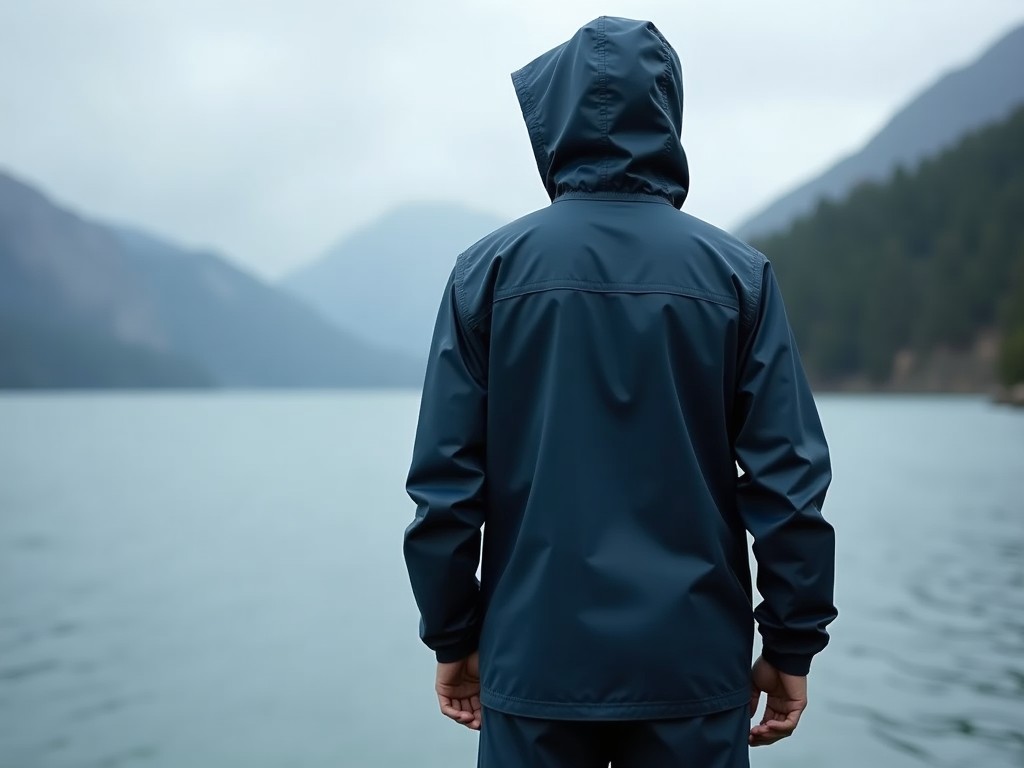
The Best Rain Suit For Fishing Suppliers
The Best Rain Suit for Fishing Suppliers
Fishing suppliers require rain suits that withstand prolonged exposure to moisture, salt spray, and abrasion from gear handling while maintaining mobility for extended wear during dockside operations and vessel maintenance. Standard rainwear often fails at seam integrity or loses flexibility in cold, wet conditions, leading to discomfort and reduced productivity. This guide explains the engineering considerations that define effective rain suits for commercial fishing environments, focusing on material performance, seam construction, and ergonomic design.
Material Selection for Durability and Breathability
The outer shell must resist water penetration while allowing vapor transfer to prevent internal condensation buildup during physical activity. PVC-coated nylon provides a cost-effective barrier but lacks breathability, often causing heat stress. Polyurethane (PU) laminated polyester offers a better balance, with hydrostatic head ratings typically exceeding 10,000 mm and moisture vapor transmission rates (MVTR) between 3,000–5,000 g/m²/24h, depending on laminate construction. For saltwater resistance, the coating must inhibit hydrolysis and UV degradation; additives like UV stabilizers and antifungal agents extend service life in marine environments.
Inner linings should wick moisture away from the skin without retaining water. Brushed polyester or mesh linings improve comfort by reducing skin adhesion when wet, while antimicrobial treatments mitigate odor development during multi-day use. Avoid cotton linings, which absorb water and increase thermal conductivity, raising the risk of hypothermia in cold conditions.
Seam Construction and Waterproof Integrity
Seams are the most vulnerable point in any rain suit. Needle puncture creates micro-channels that compromise waterproofing unless sealed. Taped seams using heat-activated PU tape provide a reliable barrier, with tape width typically 20–25 mm to ensure full coverage over stitched seams. The tape must bond permanently to the substrate; delamination after flexing or washing indicates inadequate adhesion or incompatible materials. Critical seams—shoulders, sleeves, and inseams—require double or triple stitching before taping to handle tensile loads from casting, net handling, or climbing ladders.
Ultrasonic welding eliminates needle holes entirely, creating a seamless bond, but is limited to thermoplastic materials like PU-coated fabrics and requires precise temperature and pressure control. While more expensive, ultrasonic seams offer superior long-term integrity in high-flex zones. Suppliers should verify seam sealing methods through ASTM D751 or equivalent hydrostatic pressure testing after 100+ flex cycles to ensure real-world performance.
Ergonomic Design for Functional Mobility
Fishing tasks demand unrestricted arm movement, frequent bending, and quick access to pockets. Raglan sleeves reduce shoulder stress by eliminating the vertical seam at the joint, allowing wider range of motion compared to set-in sleeves. Articulated knees with gusseted inserts prevent fabric binding when crouching or kneeling on wet decks. Adjustable cuffs with hook-and-loop closures seal against water ingress while accommodating gloves or wristwear.
Ventilation is critical during active work. Underarm zippers with storm flaps allow controlled airflow without compromising waterproofing. Storm flaps over front zippers prevent water migration via capillary action; overlap should be at least 25 mm with a drainage gutter to direct water away from the zipper teeth. Reinforced patches at high-wear areas—seat, knees, and elbow—use abrasion-resistant fabrics like Cordura® or Kevlar® blends to extend service life where contact with rails, winches, or bait tables occurs frequently.
Comparison of Common Rain Suit Configurations
| Feature | PVC-Coated Nylon | PU-Laminated Polyester | Breathable Membrane (e.g., ePTFE) |
|---|---|---|---|
| Hydrostatic Head (mm) | 5,000–8,000 | 10,000–15,000 | 20,000+ |
| MVTR (g/m²/24h) | <500 | 3,000–5,000 | 8,000–15,000 |
| Saltwater Resistance | Moderate (degrades over time) | Good (with stabilizers) | Excellent |
| Typical Cost Relative | Low | Medium | High |
| Best For | Short-term, dry-dock use | General commercial fishing | High-intensity, long-duration ops |
Note: Values are typical ranges; actual performance depends on specific fabric construction, coating thickness, and post-treatment. Breathable membranes offer superior comfort but require careful cleaning to maintain pore integrity—avoid fabric softeners and high-heat drying. For most fishing suppliers, PU-laminated polyester provides the optimal balance of durability, breathability, and cost-effectiveness for daily dockside and light vessel use.
Customization Options for Supplier Needs
Fishing suppliers often require branding, size inclusivity, and specialized features to meet operational or regulatory demands. Custom logo application via heat transfer or screen printing is available on the chest, back, or sleeves, using inks formulated to adhere to PU-coated surfaces without cracking. Extended size ranges (up to 5XL) and tall/short variants ensure proper fit across diverse workforces, reducing strain from ill-fitting garments.
Additional options include detachable hoods with adjustable brims and storm cuffs, reinforced tool loops for pliers or knives, and internal pockets with water-resistant zippers for electronics or documentation. Reflective tape compliant with ANSI/ISEA 107 standards can be integrated for low-light visibility on docks or during early morning operations. All customizations should be validated for wash durability—minimum 20 industrial wash cycles without delamination or loss of reflectivity.
Quality Control and Longevity Considerations
Consistent performance depends on rigorous material inspection and process control. Incoming fabric should be tested for hydrostatic head, tear strength (ASTM D2261), and adhesion strength of coatings. During production, seam sealing temperature and pressure are monitored via data loggers to ensure proper tape bonding. Final inspection includes water spray testing (AATCC 35) and flex resistance assessments to simulate real-world stress.
Suppliers should request test reports from manufacturers verifying compliance with relevant standards. Longevity is further enhanced by proper care: rinse with fresh water after saltwater exposure, hang to dry away from direct heat, and store loosely to prevent creasing that can weaken coatings over time. A well-maintained PU-laminated rain suit typically lasts 12–24 months under regular commercial use, depending on frequency of exposure and maintenance practices.