
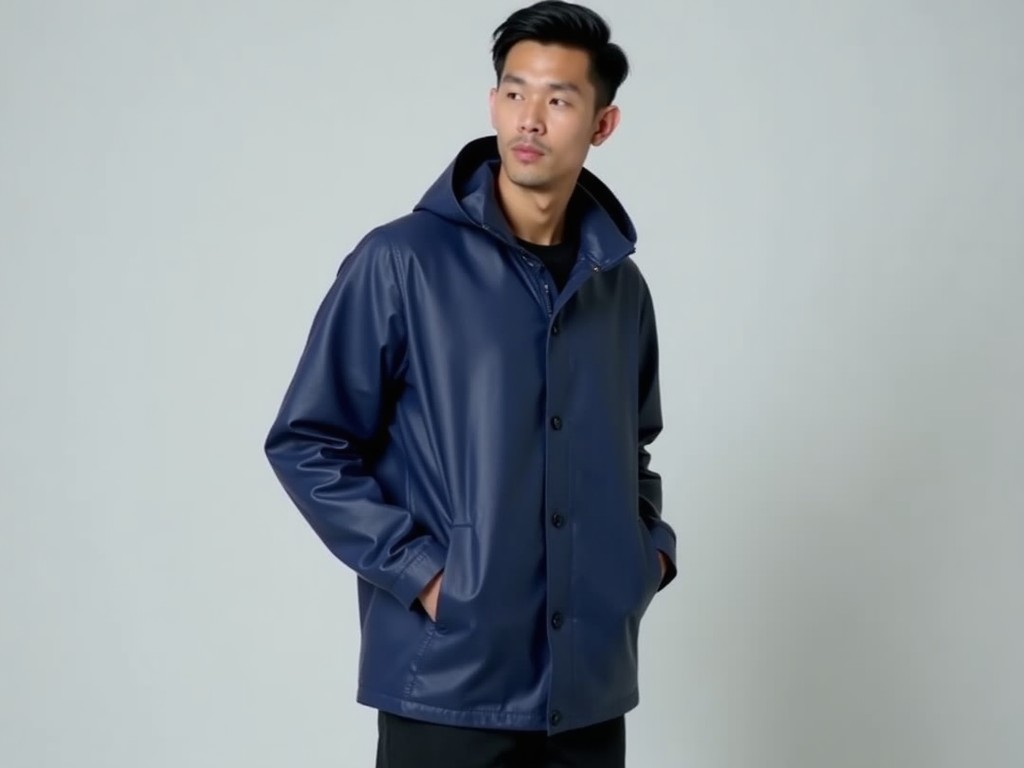
Oem Waterproof Rain Coat Men Price
OEM Waterproof Rain Coat for Men – Technical Specifications and Customization
Selecting an OEM waterproof rain coat for men requires understanding material performance, seam integrity, and environmental resistance under industrial conditions. This page details the engineering characteristics that determine suitability for outdoor work, logistics, field services, and utility operations where prolonged exposure to moisture is expected.
Material Composition and Waterproofing Mechanism
The primary barrier against water penetration is a laminated or coated fabric system. Common base materials include polyester or nylon with a denier range of 150D to 300D, providing tensile strength between 300–500 N in warp and weft directions. Waterproofing is achieved through a polyurethane (PU) or polytetrafluoroethylene (PTFE) membrane laminated to the inner layer, or via a durable water repellent (DWR) finish applied to the outer surface. Hydrostatic head resistance, measured in millimeters of water column, typically ranges from 5,000 mm to 20,000 mm depending on the coating thickness and laminate quality. A rating of 10,000 mm indicates resistance to moderate rain and wind-driven spray, while 15,000 mm+ is recommended for sustained exposure in harsh weather.
Breathability, measured as moisture vapor transmission rate (MVTR), ranges from 3,000 to 15,000 g/m²/24h. Higher MVTR values reduce internal condensation during physical exertion. The outer DWR treatment, often fluoropolymer-based, causes water to bead and roll off, maintaining fabric permeability. Reapplication of DWR after multiple wash cycles is necessary to maintain surface performance, as abrasion and contaminants degrade the finish over time.
Seam Construction and Sealing Methods
Seams represent the most vulnerable points in a waterproof garment. Industrial-grade coats use either taped, welded, or sealed seams to prevent leakage. Seam tape, typically a polyurethane film 12–20 mm wide, is applied via heat bonding over stitched joints. The adhesive strength must exceed 1.5 N/mm to resist delamination under flexing and thermal cycling. Alternatively, ultrasonic welding or heat sealing fuses the fabric layers directly, eliminating stitch holes entirely. This method is preferred in high-abrasion environments where seam tape may peel. Seam integrity is verified through hydrostatic testing after assembly, with acceptable leakage defined as less than 0.1 mL/min over a 100 mm seam length under 1,000 mm water pressure.
Stitch density, measured in stitches per inch (SPI), affects both seam strength and water resistance. A density of 10–12 SPI balances durability with minimal perforation. Thread material is critical—polyester or PTFE-coated polyester resists hydrolysis and UV degradation better than cotton or nylon. Thread tensile strength should exceed 2.5 N to prevent seam failure under load.
Design Features for Industrial Use
Functional design elements directly impact usability and safety in work environments. A storm flap over the front zipper, typically 25–40 mm wide, prevents water ingress through the zipper coil. Zippers themselves are rated for water resistance—coil zippers with polyurethane coating or molded plastic teeth achieve IPX4–IPX6 ratings. Adjustable cuffs with hook-and-loop or snap closures allow sealing over gloves, while adjustable hems with drawcords or toggles prevent water entry at the waist. A hood with adjustable depth and peripheral drawcord ensures coverage without obstructing peripheral vision. Peak or brim stiffness, achieved through laminated polypropylene inserts, maintains shape in wind.
Ventilation zones, such as underarm grommets or back vents with storm flaps, promote air circulation without compromising waterproofing. Reflective trims, compliant with EN ISO 20471 standards, are available in silver or fluorescent yellow, with retroreflective performance exceeding 330 cd/lx/m² at 5 m distance. Pocket placement is designed for accessibility—chest pockets with flap covers, side pockets with vertical zippers, and internal mesh pockets for electronics. All closures use corrosion-resistant materials, such as nickel-plated brass or nylon, to withstand salt spray and humidity.
Sizing, Fit, and Layering Considerations
Industrial rain coats are designed to accommodate layering over workwear, insulated jackets, or high-visibility vests. Chest measurement is taken at the fullest point, with recommended ease of 10–15 cm for unrestricted movement. Sleeve length is measured from center back neck to wrist, with standard lengths accommodating arm movement during reaching and lifting. Back length, measured from nape to hem, typically ranges from 75–85 cm for torso coverage without hindering mobility. Custom sizing is available upon request, with grading rules applied consistently across sizes to maintain proportion and fit integrity.
Fit trials should simulate actual work postures—bending, twisting, overhead reaching—to identify binding or restriction. Mobility is assessed through range-of-motion tests: shoulder flexion (target 160°), elbow flexion (target 140°), and torso rotation (target 90°). Coats that restrict movement below these thresholds may contribute to fatigue or unsafe postures during prolonged use. Weight is another factor—lightweight shells (200–350 g/m²) reduce thermal burden, while insulated variants add 100–200 g/m² for cold-weather performance.
Quality Control and Testing Protocols
Manufacturing consistency is validated through standardized testing. Hydrostatic head resistance is tested per ISO 811 on fabric panels and sealed seams. Breathability is measured per ISO 11092 (sweating guarded hotplate). Colorfastness to washing, light, and perspiration is evaluated per ISO 105 series. Dimensional stability after washing is assessed per ISO 6330, with shrinkage limited to ±3% in length and width. Abrasion resistance is tested per ISO 12947-2 (Martindale), with a minimum of 20,000 cycles expected for outer fabric in high-wear areas. Flammability resistance, where required, is evaluated per EN ISO 15025 (surface ignition) or ASTM D6413 (vertical flame).
Incoming material inspection includes verification of coating thickness (via micrometer), DWR contact angle (target >90°), and tape adhesion strength. In-process checks monitor seam alignment, stitch tension, and zipper function. Final inspection includes visual defect scoring (e.g., stains, skipped stitches, misaligned tapes), dimensional verification, and functional testing of closures. Acceptable quality limit (AQL) is typically set at 2.5 for major defects and 4.0 for minor defects per ISO 2859-1. Test reports and certificates of conformity are available upon request.
Customization Options for OEM Clients
OEM production allows adaptation to specific operational needs. Material selection can be adjusted based on required hydrostatic head, breathability, UV resistance, or chemical exposure. Fabric weight and weave pattern influence durability and drape—ripstop nylon offers tear resistance, while taslan polyester provides a softer hand and noise reduction. Coating type (PU vs. PTFE) affects flexibility, cold-weather performance, and chemical resistance. Color matching to Pantone or RAL standards is available for branding or safety compliance. Logo application methods include screen printing, heat transfer, embroidery, or silicone bonding, each with different durability and flexibility characteristics.
Design modifications can include extended length, removable liners, reinforced elbows and shoulders, or integration of tool loops and radio pockets. Closure types can be swapped—e.g., replacing zippers with storm-front snap systems for easier glove use. Reflective tape width, placement, and pattern can be tailored to meet specific visibility standards (e.g., ANSI/ISEA 107, CSA Z96). Packaging options range from individual polybags with hanging loops to bulk packing in cartons with palletization for export. Lead times depend on material availability and complexity, typically ranging from 4–8 weeks after sample approval.
| Parameter | Typical Range | Notes |
|---|---|---|
| Fabric Base | Polyester or Nylon, 150D–300D | Denier affects tear strength and abrasion resistance |
| Hydrostatic Head | 5,000–20,000 mm | 10,000+ mm recommended for industrial rain exposure |
| MVTR (Breathability) | 3,000–15,000 g/m²/24h | Higher values reduce internal moisture buildup |
| Seam Tape Width | 12–20 mm | Heat-bonded PU film; adhesion >1.5 N/mm |
| Stitch Density | 10–12 SPI | Polyester or PTFE-coated thread recommended |
| Reflective Trim | EN ISO 20471 compliant | Minimum 330 cd/lx/m² at 5 m |
| Weight (Shell) | 200–350 g/m² | Lightweight for mobility; insulated variants higher |
| Sizing Tolerance | ±3% after washing | Per ISO 6330; critical for layering fit |
Applications in Industrial and Utility Sectors
These coats are suited for environments where workers face prolonged wet conditions without sacrificing mobility or safety. In utility maintenance, personnel working on overhead lines, substations, or pipeline inspections require protection from rain and spray while maintaining access to tools and communication devices. The coat’s breathability prevents overheating during physical tasks, while sealed seams and storm flaps ensure dryness during extended exposure.
In transportation and logistics, loading dock personnel, railway maintenance crews, and port operators benefit from coats that resist wind-driven rain and splashes from wet surfaces. Reflective trim enhances visibility in low-light conditions near moving vehicles or machinery. The ability to layer over high-visibility vests ensures compliance with site safety regulations without compromising weather protection.
Field services in telecommunications, water management, and environmental monitoring often involve working in remote or uneven terrain. Coats with reinforced elbows, abrasion-resistant fabrics, and adjustable hoods provide durability and comfort during climbing, kneeling, or reaching. Pocket configurations accommodate radios, meters, and notebooks, while cuff seals prevent water ingress when wearing gloves.
Cold-storage and aquaculture operations require protection from condensation and frequent washdowns. Coats with chemical-resistant coatings and easy-to-clean surfaces resist degradation from detergents and sanitizers. Quick-drying liners and ventilation options help manage moisture buildup during shift changes.
Pricing Factors and Value Considerations
Price is influenced by material selection, coating technology, seam construction, and customization complexity. Base models using standard polyester with PU coating and taped seams fall into a lower cost tier. Upgrades to PTFE membranes, welded seams, or higher denier fabrics increase material and processing costs. Breathability enhancements, such as microporous laminates or advanced DWR formulations, add value in high-exertion scenarios.
Customization elements—logo application, color matching, specialized pockets, or extended sizing—add labor and setup costs but improve brand alignment and functional fit. Volume pricing applies, with unit costs decreasing at higher order quantities due to economies of scale in cutting, sewing, and testing. Tooling costs for custom logos or trims are amortized over the production run. Lead time affects pricing—expedited schedules may incur premiums for priority material access and overtime labor.
Long-term value is determined by durability, maintenance requirements, and replacement frequency. A coat that maintains waterproofing and integrity over 50+ wash cycles reduces total cost of ownership compared to lower-grade alternatives requiring frequent repurchase. Resistance to UV degradation, abrasion, and chemical exposure extends service life in harsh environments. Warranty terms, typically 12–24 months against manufacturing defects, should be reviewed in context of expected use conditions.
For accurate pricing, provide specifications including: required hydrostatic head, breathability target, fabric preference, coating type, seam method, sizes and quantities, logo details, reflective trim needs, and any special features (e.g., removable liner, tool loops). Sampling is recommended to validate performance before full production. Quotations are typically valid for 30–60 days, subject to material market fluctuations.