
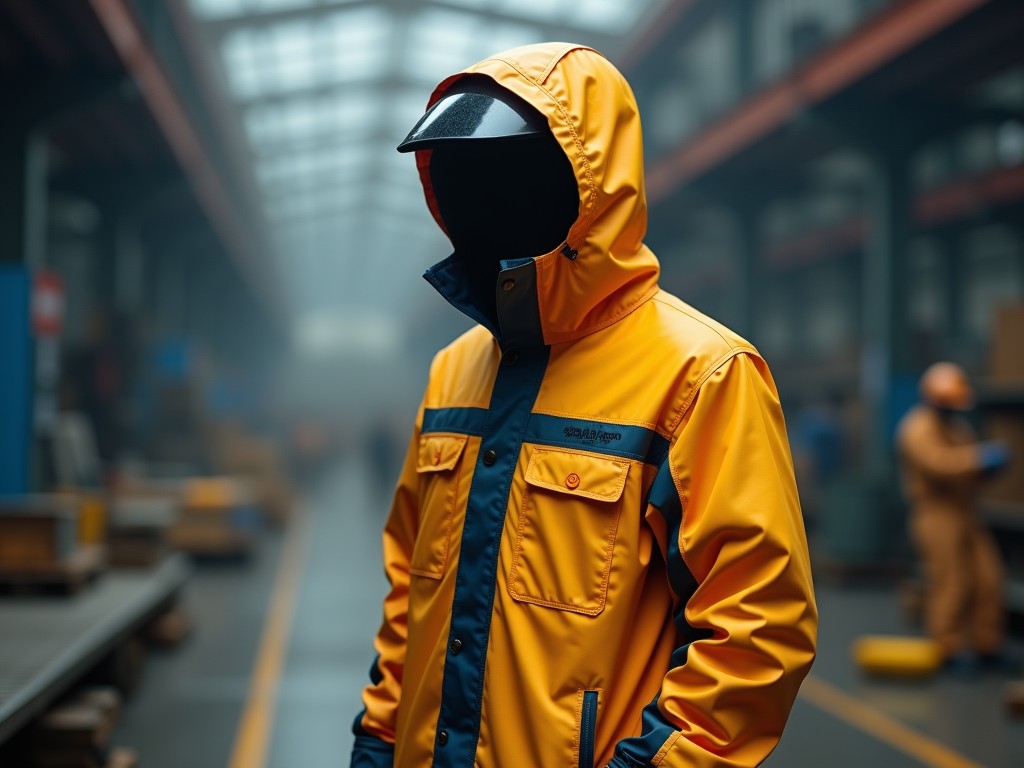
Mens Work Rain Suit Source Factory
Mens Work Rain Suit – Source Factory Specifications
Industrial rain suits for men are engineered to provide continuous protection in wet, windy, and cold environments where prolonged exposure compromises safety and productivity. Unlike consumer-grade alternatives, these suits integrate material science, ergonomic design, and durability testing to meet the demands of construction, utilities, mining, and outdoor maintenance operations. Selecting the correct specification reduces downtime, minimizes hypothermia risk, and ensures compliance with site-specific PPE protocols.
This document outlines the technical parameters, material options, construction methods, and quality controls applied in the manufacturing of men’s work rain suits sourced directly from industrial factories. Each section explains the engineering rationale behind design choices to support informed procurement decisions.
Material Composition and Performance Characteristics
The outer shell typically uses PVC-coated polyester or PU-laminated nylon with a base fabric weight between 200–300 g/m². PVC coating offers superior chemical resistance and abrasion durability, while PU lamination provides greater flexibility and breathability in dynamic work scenarios. Seam sealing is achieved through ultrasonic welding or heat-activated tape application, ensuring waterproof integrity at stitch points under hydrostatic pressure exceeding 8,000 mm.
Inner linings may include brushed polyester for thermal retention or mesh layers for ventilation, depending on the intended climate zone. Zippers are coated nylon or metal with storm flaps and sealed via overlapping tape or gusseted covers to prevent water ingress. All materials are selected for resistance to UV degradation, oil, and common industrial chemicals, with performance validated through accelerated aging tests (ASTM G154) and flexural endurance (ISO 7854 Method B).
Design Features for Industrial Use
Ergonomic patterning includes articulated knees, gusseted crotches, and raglan sleeves to maintain mobility during bending, climbing, and tool handling. Adjustable cuffs with hook-and-loop or snap closures seal against water entry at wrists and ankles, while storm hoods integrate drawcords and brim stiffeners to maintain visibility in high-wind conditions. Reflective trim compliant with EN ISO 20471 Class 2 is positioned on shoulders, sleeves, and legs for low-light visibility.
Ventilation systems feature underarm grommets or back vents with waterproof flaps to manage microclimate without compromising waterproofing. Pocket designs include internal chest pockets with water-resistant flaps and external lower pockets with drainage grommets to prevent water accumulation. Reinforcement patches at high-wear zones (seat, knees, elbows) use double-layer fabric or rubberized patches to extend service life.
Size Range and Customization Options
Standard sizing follows ISO 8559-1 anthropometric data, offering chest measurements from 90 cm to 140 cm in 5 cm increments, with corresponding height adjustments for torso and inseam length. Custom sizing is available upon submission of detailed measurement charts or garment specs, particularly for corporate uniform programs requiring consistent fit across diverse workforces.
Color options include high-visibility yellow, orange, navy, and black, with custom Pantone matching available for branding requirements. Logo application methods encompass screen printing, heat transfer, or embroidery on designated zones (chest, back, sleeves) using inks or threads rated for outdoor durability (AATCC 16 Colorfastness to Light). Additional modifications such as detachable linings, integrated knee pads, or tool loops are feasible based on production feasibility reviews.
Quality Control and Testing Protocols
Incoming raw materials undergo inspection for coating thickness (ASTM D1002), adhesion strength (ASTM D413), and tear resistance (ASTM D2261). During production, inline checks monitor seam seal integrity, stitch density (8–10 stitches/cm), and dimensional stability. Final random inspections follow AQL 2.5 standards for major defects (leaks, open seams, missing components) and AQL 4.0 for minor defects (stitching variations, color shade).
Finished suits are subjected to hydrostatic pressure testing (ISO 811) to verify waterproof performance, with acceptable leakage rates below 0.1 mL/min/m². Flex cracking resistance is evaluated after 25,000 cycles (ISO 7854 Method B), and colorfastness to washing and rubbing is assessed per ISO 105-C06 and ISO 105-X12. All test reports are traceable to batch numbers and available upon request.
Packaging and Logistics Considerations
Suits are folded using standardized techniques to minimize creasing and packed in polyethylene bags (50–80 micron thickness) with desiccant packs to control moisture during transit. Outer cartons are triple-wall corrugated fiberboard, rated for 30 kg burst strength, with printed labels including PO number, size breakdown, material composition, and country of origin. Each carton typically holds 10–20 units depending on size and thickness.
For export shipments, packaging complies with ISTA 3A standards for consolidated freight, and fumigation certificates are provided for wooden pallets when required. Lead times average 25–35 days after sample approval and deposit receipt, contingent on fabric availability and order volume. Samples are produced within 7–10 working days and shipped via express courier with freight charges reimbursed upon confirmed order.
| Parameter | Typical Value | Test Standard |
|---|---|---|
| Hydrostatic Head | ≥ 8,000 mm | ISO 811 |
| Flex Cracking Resistance | ≥ 25,000 cycles | ISO 7854 Method B |
| Tear Strength (Warp/Weft) | ≥ 25 N / ≥ 20 N | ASTM D2261 |
| Seam Strength | ≥ 350 N/50mm | ASTM D1683 |
| Reflective Trim Coefficient | ≥ 330 cd/lx/m² | EN ISO 20471 |
Applications Across Industrial Sectors
In construction, these suits protect workers during concrete pouring, roofing, and exterior finishing in rainy seasons, preventing saturation that reduces dexterity and increases slip hazards. Utility crews rely on them during storm restoration work on power lines and water mains, where prolonged exposure to wet conditions risks thermal stress and equipment handling errors.
Mining operations use them in open-pit environments and underground drainage zones where water ingress is constant. Municipal workers in road maintenance, waste management, and park services benefit from the suits’ durability during daily exposure to mixed weather and chemical runoff. The design prioritizes uninterrupted task performance over intermittent use, making them suitable for full-shift wear in continuous wet conditions.
To request a formal quotation, provide technical drawings, or discuss customization options for your specific operational requirements, contact our technical sales team. Please include details on intended use environment, required sizes, quantities, and any compliance standards (e.g., EN ISO 20471, ASTM F1891) that apply to your procurement process.
Submit Inquiry