
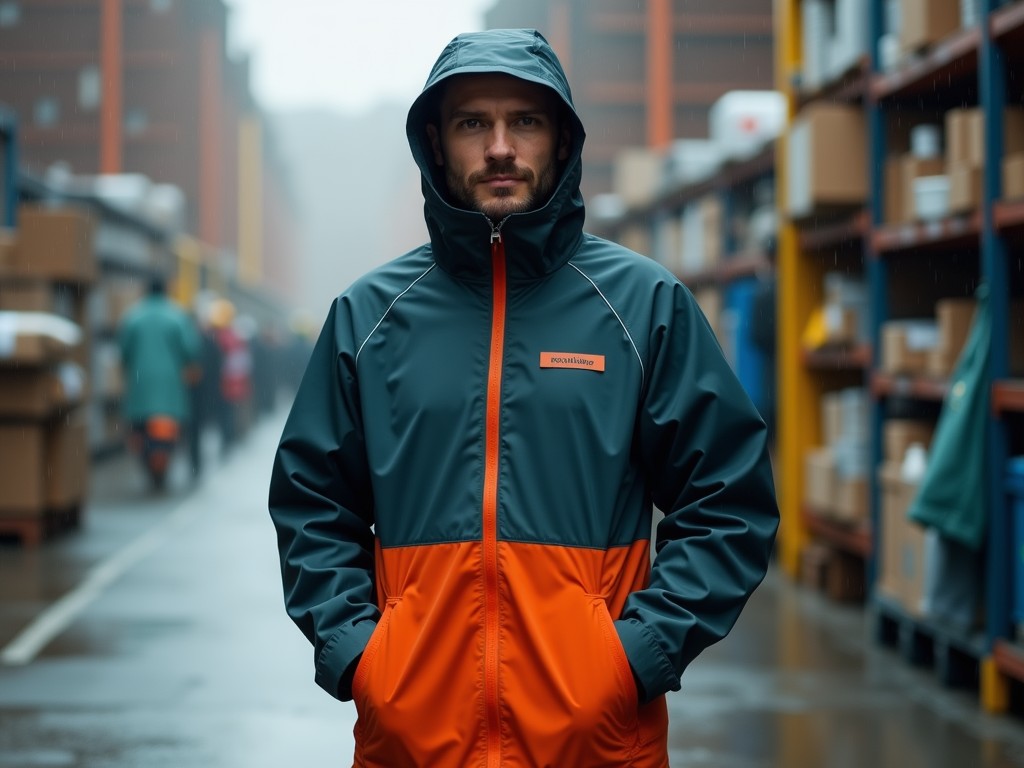
Mens Wet Weather Gear Source Factory
Mens Wet Weather Gear Source Factory
Industrial procurement teams require wet weather gear that maintains protective integrity under prolonged exposure to rain, wind, and abrasion while allowing sufficient mobility for task execution. Selecting a source factory involves evaluating material science, seam construction methods, and quality validation protocols specific to occupational hazards. This page details the technical considerations for sourcing men’s wet weather gear designed for demanding work environments.
Material Performance in Wet Conditions
The primary defense against water ingress begins with fabric selection. Commonly used materials include polyurethane-coated nylon, PVC-laminated polyester, and breathable membranes such as ePTFE laminates. Each system presents distinct trade-offs: polyurethane coatings offer flexibility and abrasion resistance but may degrade under UV exposure; PVC provides superior chemical resistance at the cost of reduced breathability; breathable membranes balance waterproofing with moisture vapor transmission, critical for high-exertion tasks. Hydrostatic head ratings typically range from 5,000mm to 20,000mm depending on the laminate structure and coating weight.
Fabric weight influences both durability and ergonomics. Lightweight options (150–200 g/m²) suit intermittent exposure or layering systems, while heavier fabrics (250–350 g/m²) provide enhanced puncture resistance for rugged environments. Seam sealing methodology—whether taped, welded, or bonded—directly impacts long-term waterproof integrity. Heat-sealed tapes applied over stitched seams are standard for preventing capillary wicking, with tape adhesion strength measured in peel force (N/mm) to ensure durability after repeated flexing.
Design Considerations for Occupational Use
Beyond material selection, garment geometry affects functionality. Articulated elbows and knees reduce fatigue during prolonged bending or reaching. Adjustable cuffs, storm flaps over zippers, and adjustable hoods minimize water entry points. Ventilation zippers under arms or along the back facilitate microclimate management without compromising waterproofing. Reflective trim compliance with ANSI/ISEA 107 standards enhances visibility in low-light conditions, a requirement for roadside or industrial site work.
Pocket configuration and reinforcement zones are tailored to specific trades. For example, utility workers may require reinforced knee patches and tool-accessible pockets, while fisheries personnel prioritize rapid-drain linings and corrosion-resistant hardware. Ergonomic assessments often inform pattern grading to ensure unrestricted movement across sizes, particularly in layered systems where base and mid-layers add bulk.
Quality Control and Validation Protocols
Reliable sourcing depends on verifiable quality systems. Factories should implement inline inspections during cutting, sewing, and sealing stages, supported by final audit protocols. Common tests include hydrostatic pressure resistance (ASTM D751), seam strength (ASTM D1683), and tear resistance (ASTM D2261). Colorfastness to light and washing (AATCC standards) ensures appearance retention over service life. Batch traceability via lot numbers enables root-cause analysis if field failures occur.
Third-party certifications such as ISO 9001 for quality management and ISO 14001 for environmental controls provide baseline assurance. For specialized markets, additional validations may include flame resistance (NFPA 1971) or electrical arc protection (ASTM F1506), though these are application-specific. Requesting sample garments for wear-trial evaluation under actual working conditions remains a prudent step before volume commitment.
Customization and Scalability Factors
Industrial buyers frequently require adaptations beyond standard catalogs. Customization options include adjustable inseam lengths, removable liners for seasonal flexibility, and integration of brand-specific color schemes or logos via screen printing or heat transfer. Minimum order quantities (MOQs) vary by complexity—simple color changes may accept MOQs of 100 units, while fully custom pattern development often requires 500+ units to amortize tooling and setup costs.
Lead times depend on material availability and factory capacity. Standard items typically ship within 4–6 weeks after sample approval, whereas custom developments may extend to 8–12 weeks. Transparent communication regarding production milestones, quality hold points, and shipping documentation reduces supply chain uncertainty. Factories offering tech packs in CAD or PDF format streamline the approval process and minimize misinterpretation.
Typical Specification Ranges
| Parameter | Typical Range | Notes |
|---|---|---|
| Fabric Weight | 150–350 g/m² | Dependent on coating type and base textile |
| Hydrostatic Head | 5,000–20,000 mm | Measured after 3 washes per ISO 811 |
| Seam Tape Adhesion | ≥2.0 N/mm | Peel strength after heat activation |
| Breathability (MVTR) | 2,000–10,000 g/m²/24h | Applicable to membrane systems only |
| Reflective Trim Width | 50 mm | ANSI/ISEA 107 Class 2 or 3 compliant |
Values represent common industrial configurations; actual specifications are customizable according to project requirements, including enhanced chemical resistance, thermal linings, or specialized closures.
Applications Across Industrial Sectors
Wet weather gear serves distinct functional roles depending on the work environment. In maritime operations, gear must resist saltwater degradation and maintain flexibility in sub-zero temperatures, often incorporating insulated linings and reinforced shoulder yokes for lifeboat operations. Construction and utility crews prioritize abrasion resistance at stress points and compatibility with fall arrest harnesses, necessitating reinforced dorsal loops and non-snag designs.
Agricultural workers benefit from gear that resists pesticide penetration and allows rapid decontamination, favoring smooth-surface coatings that prevent chemical uptake. Transportation and logistics personnel require high-visibility configurations with ample pocket space for documentation and scanners, while maintaining a streamlined profile to avoid entanglement in conveyor systems. Each application informs specific material choices, seam placements, and ergonomic adjustments.
Inquiry and Technical Collaboration
Sourcing wet weather gear effectively begins with clear technical communication. Provide details on expected exposure duration, temperature range, mobility requirements, and any regulatory standards applicable to your industry. Sharing sample tasks or work protocols enables the factory to recommend appropriate material systems and construction methods. Early engagement on sizing charts, approval workflows, and packaging preferences prevents delays during production.
To initiate a technical discussion or request a quote, share your specifications via the contact channel. Include anticipated order volumes, target delivery timelines, and any required certifications. The factory will respond with material recommendations, sample lead times, and a detailed quotation based on your exact parameters.