
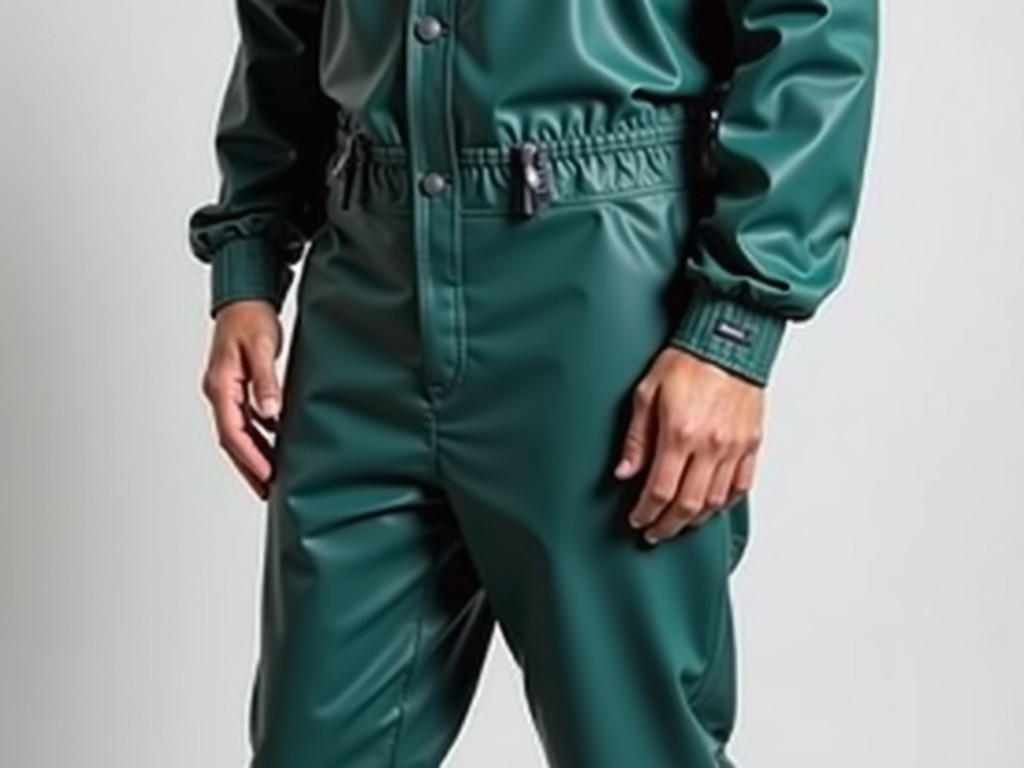
Mens Waterproof Dress Pants Source Factory
Mens Waterproof Dress Pants – Source Factory Specifications
Waterproof dress pants for men combine formal aesthetics with technical performance, requiring precise material selection and construction methods to maintain appearance while resisting moisture ingress. This page details the engineering considerations, material options, and manufacturing specifications relevant to industrial buyers sourcing these garments from a factory capable of consistent technical compliance.
Unlike standard trousers, waterproof dress pants must balance hydrophobicity with breathability, drape, and wrinkle resistance—properties that are often in tension and require engineered solutions rather than off-the-shelf fabrics.
Core Material Systems and Performance Criteria
The primary barrier layer typically uses a microporous or hydrophilic polyurethane (PU) laminate bonded to a woven polyester or nylon face fabric, with water resistance measured by hydrostatic head testing (typically 5,000–10,000 mm for dress applications where flexibility and hand feel are prioritized over extreme exposure).
Breathability, quantified as moisture vapor transmission rate (MVTR), must exceed 5,000 g/m²/24h to prevent interior condensation during extended wear, achieved through microvoid structure in PU or hydrophilic chain diffusion, without compromising the fabric’s smooth surface finish required for formal settings.
Face fabrics are selected for low luster, tight weave (e.g., 150D polyester twill or 840D nylon microfiber), and dimensional stability after repeated wet/dry cycles, with heat-setting and resin finishing applied to maintain crease retention and minimize shrinkage below 2% after ISO 6330 wash cycles.
Construction Techniques for Formal Appearance
Seam sealing is critical; thermally bonded polyurethane tape (typically 20mm width) is applied over all stitched seams using controlled heat and pressure to prevent capillary leakage, with tape adhesion strength measured per ASTM D903 to ensure durability through dry cleaning and flexing.
Zippers and closures use coated nylon or molded plastic elements with storm flaps and internal gaskets to maintain continuity of the barrier, avoiding metal components that could corrode or create thermal bridges that compromise insulation and comfort.
Waistbands incorporate internal elastic or adjustable tabs with covered elastomers to prevent direct skin contact with non-breathable materials, while maintaining a clean external profile suitable for tucking shirts and wearing belts.
Quality Control and Testing Protocols
Factory quality assurance includes roll-to-roll inspection of laminated fabrics for delamination, pinholes, and uniform coating thickness using UV fluorescence and tensile elongation testing, with lot acceptance based on AQL 2.5 for visual defects and AQL 4.0 for dimensional tolerances.
Finished garments undergo hydrostatic head retesting after simulated wear cycles (flexing, abrasion, washing) to verify barrier integrity, with spray testing (AATCC 22) used to evaluate surface wettability and ensure no intermediate wicking that could compromise appearance.
Colorfastness to light (ISO 105-B02), washing (ISO 105-C06), and dry cleaning (ISO 105-D01) is verified to maintain professional appearance, with minimum ratings of 4/5 on the gray scale required for export markets.
Customization Options for Industrial Buyers
Buyers can specify face fabric construction (weave, denier, finish), barrier layer thickness (PU coating weight from 8–18 g/m²), seam tape type (single or double layer), and lining integration (e.g., moisture-wicking polyester mesh in seat and knee areas) to balance performance with comfort and cost.
Trim options include buttons (urea or covered metal), zipper brands (YKK, SBS, or equivalent), and label placement, all subject to factory validation for compatibility with waterproofing processes and durability under specified end-use conditions.
Pattern adjustments (rise, taper, break) are accommodated via CAD-based grading, with prototype samples provided for fit validation before bulk production, ensuring the garment maintains its formal silhouette when worn with dress shoes and socks.
| Parameter | Typical Range / Option | Test Standard |
|---|---|---|
| Hydrostatic Head | 5,000–10,000 mm | ISO 811 |
| MVTR | ≥5,000 g/m²/24h | ISO 11092 |
| Shrinkage (Wash) | ≤2% | ISO 6330 |
| Seam Tape Adhesion | ≥2.5 N/mm | ASTM D903 |
| Colorfastness to Light | ≥4 (Gray Scale) | ISO 105-B02 |
Applications in Professional and Service Environments
These pants are specified for professionals who require formal attire but face exposure to light precipitation, humidity, or occasional splashes—such as field engineers visiting outdoor sites, logistics supervisors in transfer zones, or hospitality staff managing outdoor events—where changing into rain gear would disrupt professional appearance or operational flow.
Unlike overt rainwear, the waterproofing is integrated invisibly, allowing the garment to pass visual inspection in corporate, governmental, or client-facing settings while providing reliable protection against moisture that could cause discomfort, staining, or thermal loss during extended wear.
The durability of the laminate and seam sealing ensures performance is maintained through repeated dry cleaning cycles, making them suitable for uniforms or issued apparel where lifecycle cost and minimal maintenance are procurement priorities.
For technical inquiries, custom specifications, or sample requests, contact our engineering team to discuss your project’s performance requirements, environmental conditions, and aesthetic constraints.
Submit Inquiry