
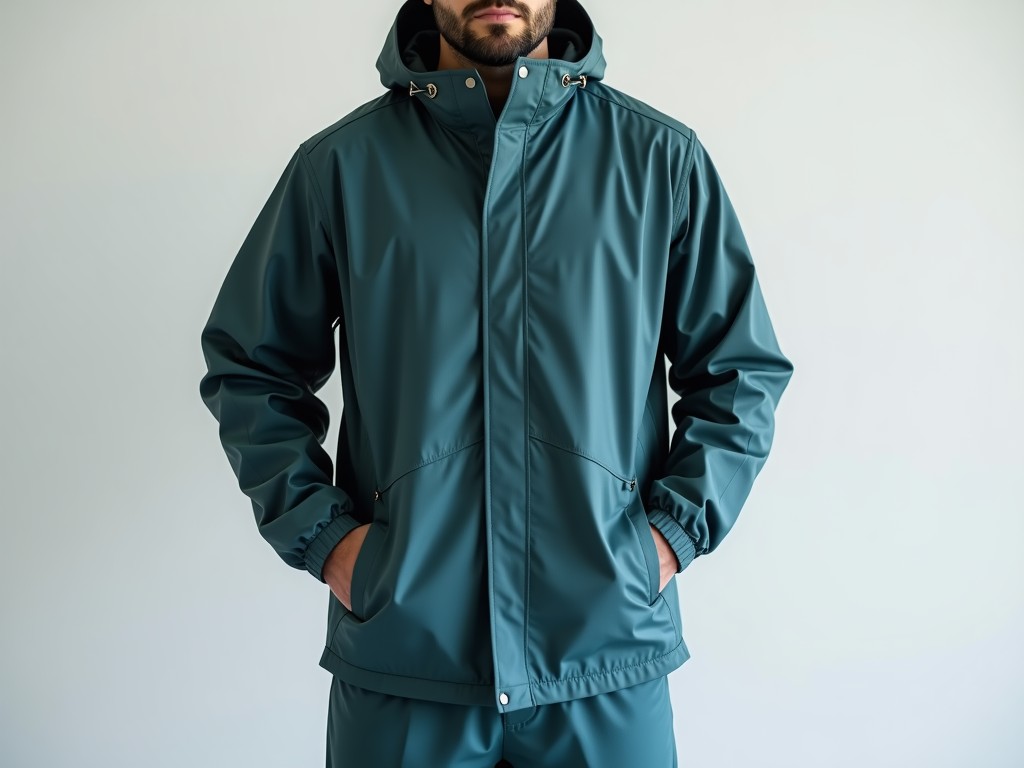
Mens Water Repellent Pants Source Factory
Mens Water Repellent Pants – Source Factory Direct
Industrial buyers seeking mens water repellent pants prioritize consistent performance, traceable material sourcing, and scalable production without compromising on functional design. This page details the technical specifications, manufacturing considerations, and application logic behind water-repellent workwear trousers produced in certified source factories. Understanding these elements enables informed procurement decisions that align with operational durability and compliance requirements.
Core Functional Requirements for Industrial Water Repellency
Water repellency in workwear is not merely surface treatment; it depends on the synergistic interaction between fiber structure, finish chemistry, and garment construction. Effective repellency requires a low surface energy coating that causes water to bead and roll off without wicking into the yarn bundle. For industrial use, this must persist after repeated abrasion, washing, and exposure to oils or alkaline substances common in maintenance, logistics, and outdoor operations.
The repellent finish is typically applied via pad-dry-cure process, where fluoropolymer or silicone-based agents bond to the fabric surface. Durability is measured by spray rating (AATCC 22) after 20+ wash cycles, with industrial grades maintaining ISO 4 or higher. Buyers should verify whether the finish is C6-based (PFAS-reduced) or non-fluorinated, depending on regional regulatory constraints and corporate sustainability policies.
Material Selection and Fabric Construction
The base fabric significantly influences both repellent performance and mechanical durability. Common constructions include 65/35 polyester-cotton twill (240–280 gsm) for balanced comfort and abrasion resistance, or 100% nylon ripstop (190–220 gsm) for lightweight applications requiring tear strength. Polyester content enhances hydrophobic properties and UV stability, while cotton improves moisture absorption for wearer comfort in temperate climates.
Weave density (ends per inch × picks per inch) directly affects finish retention and seam integrity. A minimum of 130×72 is recommended for workwear to prevent premature wear at stress points. Some factories offer customizable blends — such as adding 5% elastane for articulated knees — but this may slightly reduce repellent longevity due to increased surface area and flex-induced coating fatigue.
Manufacturing Considerations for Consistent Performance
Variability in water repellency often stems from inconsistent pre-treatment, uneven finish application, or inadequate curing temperature control. Reputable source factories implement strict process controls: fabric scouring to remove natural oils, precise pad bath concentration (±2%), and tunnel drying at 150–180°C for 90–120 seconds to ensure cross-linking. Infrared temperature monitoring during curing helps prevent under- or over-treatment, which can compromise both repellency and fabric tensile strength.
Seam sealing is another critical factor. Even with repellent fabric, water can penetrate through stitch holes. Factories may apply seam tape or use water-resistant thread (e.g., bonded polyester) in high-exposure zones like the inseam, outseam, and pocket flaps. Buyers should request confirmation of seam treatment methodology, especially for garments intended for prolonged wet-weather exposure.
Design Features Aligned with Industrial Use
Beyond material and finish, functional design determines real-world utility. Key features include articulated knees for mobility, reinforced seat panels (often double-layer or Cordura®-style patches), and multiple tool pockets with drain grommets to prevent water accumulation. Waist adjustment systems — such as internal elastic with belt loops or ratchet tabs — ensure fit stability during movement without relying solely on belts, which may fail under load.
Ventilation is often overlooked but vital. Strategic placement of mesh-lined vents behind the knees or at the thigh reduces heat buildup during active work, improving wear time. Reflective trim compliant with EN ISO 20471 may be integrated for low-visibility environments, though placement must avoid interfering with repellent coating integrity at high-flex zones.
Quality Control and Traceability
Industrial buyers require verifiable consistency across batches. Leading source factories implement ISO 9001-aligned QC protocols, including random batch testing for spray rating, tear strength (ASTM D2261), and colorfastness to washing (ISO 105 C06). Each roll of fabric is assigned a lot number, correlated to finish batch and curing logs, enabling traceability from raw material to finished garment.
Pre-shipment inspections typically include visual defect checks (4-point system), dimensional stability after washing (ISO 6330), and repellency retesting. Factories may provide third-party test reports upon request — especially for OEKO-TEX® Standard 100 or REACH compliance — though buyers should clarify whether testing is conducted per order or based on historical data.
Customization Options for OEM and Private Label Buyers
Source factories accommodate custom specifications beyond standard catalogs. Common modifications include adjusting inseam length (±2 inches), altering pocket configuration (e.g., adding smartphone compartments or knife loops), and changing closure types (zipper fly vs. button). Color matching to Pantone or corporate standards is available, though dye lot variation may affect repellent uniformity — a factor mitigated by pre-production lab dips.
Private label buyers can request custom branding via embroidery, screen printing, or heat transfer, applied post-finish to avoid coating damage. Some factories offer full package development: from tech pack review and sample iteration to bulk production and consolidated shipping. Lead times typically range from 4–8 weeks after sample approval, depending on fabric availability and order volume.
Applications Across Industrial Sectors
These pants are engineered for environments where exposure to moisture, light rain, or splash hazards is intermittent but predictable. In logistics and warehousing, they protect workers during outdoor loading/unloading or facility washdowns. Maintenance technicians in utilities or telecom benefit from resistance to light rain and dew during pole work or cabinet servicing, without the bulk of full rainwear.
In construction and landscaping, they serve as a practical alternative to traditional cotton duck pants when light precipitation is expected, offering better mobility and faster drying. Agricultural workers use them during early morning field inspections or equipment cleaning. Unlike disposable overshoes or ponchos, they integrate protection into daily wear, reducing the likelihood of non-compliance due to discomfort or inconvenience.
| Parameter | Typical Range / Specification |
|---|---|
| Fabric Weight | 190–280 gsm |
| Water Repellency (Initial) | ISO 4–5 (AATCC 22) |
| Water Repellency (After 20 Washes) | ISO 3–4 (AATCC 22) |
| Tear Strength (Warp/Weft) | ≥15 N (ASTM D2261) |
| Available Closure Types | Zipper fly, Button fly, Hidden snap |
| Standard Inseam Lengths | 28", 30", 32", 34", 36" |
| Customizable Features | Pocket layout, Reinforcements, Ventilation, Trim, Branding |
Next Steps for Procurement and Technical Inquiry
To initiate a technical discussion, provide your intended use case, expected exposure conditions (frequency/duration of wet exposure, contact with oils or chemicals), required sizes and quantities, and any compliance needs (e.g., REACH, OEKO-TEX, ISO standards). Factories typically request a tech pack or reference garment for accurate quoting. Sample development allows validation of repellency, fit, and finish durability before committing to bulk production.
Submit your specifications for a detailed quotation and sample arrangement