
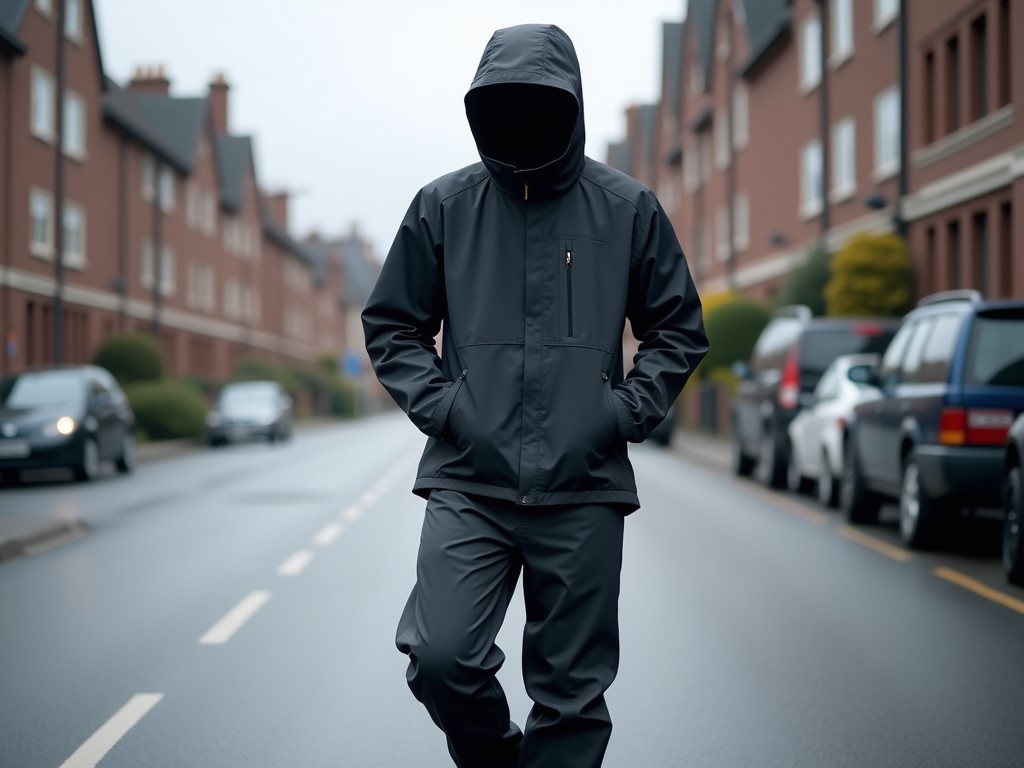
Mens Softshell Waterproof Trousers
Mens Softshell Waterproof Trousers
Softshell waterproof trousers for men combine breathable fabric construction with a durable water-repellent finish to provide protection against light precipitation and wind while maintaining mobility during extended wear. Unlike hardshell garments that prioritize complete waterproofing at the expense of airflow, softshell designs use woven or knitted face fabrics bonded to a membrane or fleece backing, allowing moisture vapor transmission while resisting surface saturation. This balance makes them suitable for active outdoor work where thermal regulation and freedom of movement are as critical as weather shielding.
Material Construction and Performance Characteristics
The outer layer typically consists of a nylon or polyester blend with a tight weave density ranging from 120 to 180 threads per inch, treated with a fluoropolymer-free DWR (durable water repellent) coating that achieves a spray rating of 4-5 on the AATCC 22 scale after 20 wash cycles. Beneath this, a microporous polyurethane membrane with a pore size of 0.2–0.5 microns provides hydrostatic head resistance between 5,000 and 10,000 mm, sufficient to withstand moderate rain and snowmelt penetration while maintaining a moisture vapor transmission rate (MVTR) of 8,000–12,000 g/m²/24h under standard testing conditions (JIS L 1099 B1). The inner backing varies by model: lightweight versions use a brushed polyester fleece (180–220 g/m²) for added warmth, while high-activity variants employ a smooth tricot lining to minimize skin friction and enhance layering compatibility.
Key Design Features for Industrial Use
Anthropometric patterning incorporates articulated knees and a gusseted crotch to prevent binding during squatting, climbing, or kneeling motions, with inseam lengths ranging from 76 to 86 cm across standard sizes (S–3XL) and adjustable via snap-tab hems. Waist systems combine a partial elastic rear panel with belt loops accommodating 40–50 mm webbing and a front closure featuring a YKK® Vislon zipper protected by a storm flap with magnetic or hook-and-loop fasteners. Reinforcement panels made from 600D polyester oxford fabric are commonly applied to the seat, inner thighs, and lower legs to resist abrasion from tools, equipment, and rough surfaces, extending service life in demanding environments.
Functional Pocket Layout and Accessory Integration
Storage configurations are engineered for tool and equipment accessibility while maintaining a low profile when seated or in motion. Typical layouts include two angled hand pockets with zippered closures (14 cm opening), two vertical thigh pockets with storm flaps and internal mesh dividers (16×10 cm), and a rear zip pocket (12×8 cm) for valuables. Some models incorporate dedicated knife or tool loops on the left thigh, D-rings for carabiner attachment at the waistband, and internal drop-in pockets sized for smartphones or GPS units (9×6 cm). Pocket bags are constructed from 100D nylon ripstop to resist tearing under load, and all zippers feature coil or tooth designs rated for 5,000+ cycles.
Environmental and Safety Considerations
Manufacturing processes avoid PFAS-based DWR treatments in favor of silicone or hydrocarbon-based alternatives that meet Oeko-Tex Standard 100 and bluesign® criteria for restricted substances. Seam sealing is applied selectively to high-exposure zones (e.g., outer seam tape on shoulders and chest) using thermoplastic polyurethane film to maintain breathability in low-risk areas. Reflective elements, when included, utilize retroreflective tape compliant with EN ISO 20471 Class 2 standards, positioned on the lower legs and rear to enhance visibility in low-light conditions without compromising the garment’s softshell flexibility.
Comparison: Softshell vs. Hardshell for Work Applications
| Attribute | Softshell Trousers | Hardshell Trousers |
|---|---|---|
| Water Resistance | 5,000–10,000 mm hydrostatic head; DWR finish | 10,000+ mm hydrostatic head; fully taped seams |
| Breathability (MVTR) | 8,000–12,000 g/m²/24h | < 3,000 g/m²/24h (typically) |
| Abrasion Resistance | Moderate; reinforced zones available | High; solid face fabric |
| Flexibility and Noise | High stretch; quiet operation | Low stretch; potential rustling |
| Thermal Regulation | Better for active use; less overheating | Can trap heat during exertion |
| Best Suited For | Variable conditions, high mobility | Prolonged wet exposure, static work |
Customization Options for OEM and Corporate Orders
Fabric weight and composition can be adjusted based on end-use requirements, with options ranging from 180 g/m² for warm-weather mobility to 280 g/m² for colder climates with increased wind resistance. Color matching to corporate pantone standards is available for orders exceeding 50 units, using solution-dyed polyester or nylon to ensure UV stability and minimize fading. Branding applications include heat-transfer logos, embroidery on the left chest or thigh, and reflective tape reconfiguration to align with site-specific safety protocols. Closure systems can be swapped between YKK® zippers, magnetic snaps, or brass button flies depending on industry-specific contamination risks (e.g., food processing, chemical handling).
Quality Assurance and Testing Protocols
Each production lot undergoes random sampling for hydrostatic head resistance (AATCC 127), MVTR (ASTM E96 B), and abrasion cycles (Martindale tester, 12 kPa pressure) to verify consistency with declared specifications. Seam strength is validated using grab test methods (ASTM D5034) with a minimum requirement of 35 N in warp and weft directions. DWR performance is monitored via spray rating tests after 5, 10, 15, and 20 wash cycles to ensure durability aligns with care labeling. Final inspection includes dimensional stability checks after washing (±3% tolerance), seam integrity review, and functional verification of all zippers, pockets, and adjustables before packaging.
For technical specifications, sample requests, or to discuss customization for your workforce needs, contact our technical team to arrange a consultation.