
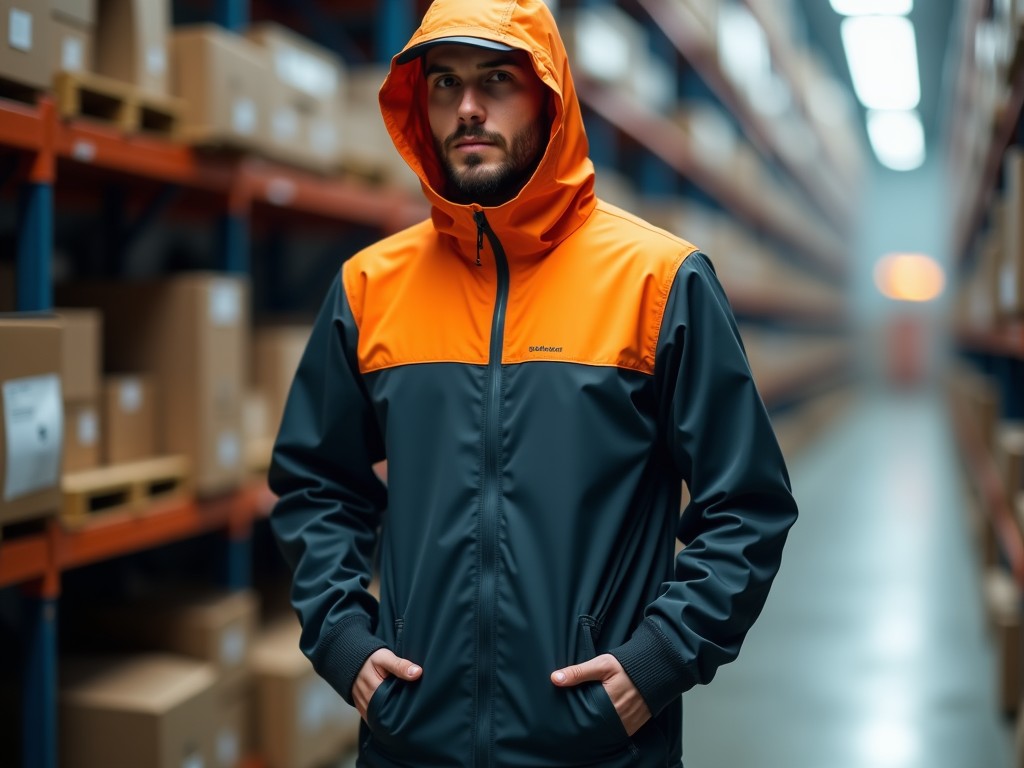
Mens Rain And Wind Pants Factory
Mens Rain and Wind Pants Factory
Industrial rain and wind pants for men are engineered to provide protection against precipitation and wind while maintaining mobility and durability in demanding work environments. These garments are commonly used in construction, utility work, landscaping, transportation, and outdoor maintenance where exposure to variable weather conditions is routine.
Effective performance depends on material selection, seam construction, and design features that balance waterproofing, wind resistance, breathability, and abrasion resistance. Factories producing these pants must adhere to precise tolerances and quality controls to ensure consistent protection across production batches.
This page outlines the technical considerations involved in manufacturing men's rain and wind pants, including material options, construction methods, quality assurance practices, and customization capabilities relevant to industrial procurement.
Material Selection and Performance Characteristics
The outer shell of industrial rain and wind pants typically uses coated or laminated synthetic fabrics designed to resist water penetration and wind chill. Common base materials include polyester or nylon with polyurethane (PU) or polyvinyl chloride (PVC) coatings, or polytetrafluoroethylene (PTFE) membranes for enhanced breathability.
Coating weight and thickness directly influence waterproof rating, measured in millimeters (mm) of water column resistance. Standard industrial applications often require ratings between 5,000 mm and 10,000 mm, while high-exposure environments may necessitate 15,000 mm or higher. Breathability, measured in grams per square meter per 24 hours (g/m²/24h), typically ranges from 2,000 to 8,000 g/m²/24h for balanced performance.
Abrasion resistance is critical in high-wear areas such as knees and seat. Fabrics are often reinforced with additional layers or treated with durable water repellent (DWR) finishes to maintain surface water shedding. Seam sealing methods—such as taped or welded seams—are essential to prevent leakage at stitch points.
Construction and Design Features
Pattern design prioritizes ergonomic fit and range of motion, particularly in the knees and hips. Articulated knees, gusseted crotches, and adjustable waistbands are common features to accommodate layering and physical activity. Ankle cuffs often include adjustable hook-and-loop or snap closures to secure over boots and prevent water ingress.
Pocket placement and accessibility are considered for utility, with options for zippered, storm-flap-covered, or internal pockets to protect contents. Reflective trims may be integrated for low-visibility conditions, complying with safety standards such as EN ISO 20471 when required.
Reinforcement patches at stress points—such as the inner thigh, rear rise, and belt loops—extend service life. Ventilation options, including zippered thigh vents or mesh-lined openings, help manage microclimate during high-exertion tasks in mild precipitation.
Quality Control and Manufacturing Consistency
Consistent performance begins with incoming material inspection, including hydrostatic testing for waterproof rating, tear strength testing (ASTM D5587), and abrasion resistance evaluation (Martindale or Taber methods). Dimensional stability is assessed after washing and drying cycles to prevent shrinkage or distortion.
In-process checks monitor seam alignment, stitch density (typically 8–12 stitches per inch for durability), and tape adhesion strength. Final inspection includes waterproof testing via spray or immersion methods, functional checks of zippers and closures, and visual assessment for defects such as misalignment, staining, or incomplete sealing.
Factories often implement statistical process control (SPC) for critical dimensions and maintain traceability logs for materials and production batches. Compliance with standards such as ISO 9001 for quality management and ISO 14001 for environmental practices supports reliable, repeatable output.
Customization Options for Industrial Applications
Customization begins with material selection based on specific environmental demands—such as chemical resistance, oil repellency, or thermal insulation layers. Clients may specify coating types, fabric weights, or membrane laminates tailored to their operational conditions.
Design modifications include adjustable inseam lengths, custom pocket configurations, reinforced knee pads, or integration of brand-specific trims and logos. Waistband styles—elastic, drawstring, or adjustable tab—can be modified to suit uniform requirements or layering systems.
Packaging and labeling options are adaptable to client specifications, including individual polybagging, barcode labeling, or bulk packing for distribution. Minimum order quantities and lead times vary based on material availability and complexity of custom features.
Typical Specifications Table
| Specification | Typical Range / Options |
|---|---|
| Outer Shell Material | Polyester or nylon with PU/PVC coating; PTFE laminate available |
| Waterproof Rating | 5,000 – 15,000 mm water column (customizable) |
| Breathability | 2,000 – 8,000 g/m²/24h (dependent on coating/membrane) |
| Seam Treatment | Taped, welded, or ultrasonically sealed |
| Abrasion Resistance | Reinforced panels at knee, seat, and inner thigh (optional) |
| Closure Type | Zipper with storm flap; adjustable ankle cuffs (hook-and-loop/snap) |
| Reflective Elements | Available per EN ISO 20471 or client specifications |
| Waistband Options | Elastic, drawstring, adjustable tab, or belt loops |
Applications in Industrial Sectors
In construction and infrastructure, rain and wind pants protect workers during outdoor tasks such as site surveying, concrete pouring, and utility installation, where sudden weather changes can compromise safety and productivity. The ability to wear over work trousers or insulated layers makes them suitable for year-round use.
Utility workers in telecommunications, power distribution, and water treatment rely on these garments for storm response and routine maintenance in exposed environments. Features such as high-visibility trim and tool-accessible pockets enhance functionality during emergency operations.
Landscaping, municipal services, and transportation sectors use rain and wind pants for groundskeeping, waste collection, and vehicle inspection in wet or windy conditions. Durability and ease of cleaning are key factors in these high-use applications.
For technical inquiries, material samples, or to discuss custom specifications for men's rain and wind pants, please contact our manufacturing team. We provide detailed engineering support to ensure your protective apparel meets operational demands.