
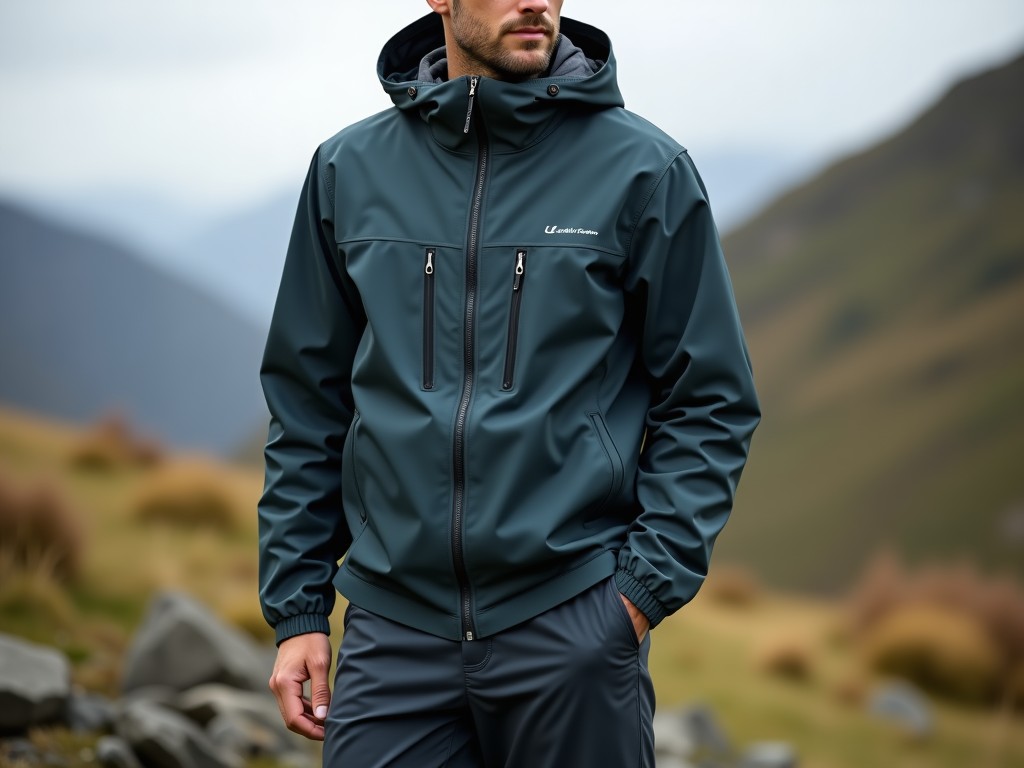
Mens Outdoor Waterproof Trousers
Mens Outdoor Waterproof Trousers
Effective protection against precipitation and wind requires garments engineered for specific environmental exposure levels. Waterproof performance in outdoor trousers depends on the integration of membrane technology, seam sealing, and fabric construction rather than surface treatments alone.
For industrial and professional outdoor applications, trousers must balance waterproof integrity with durability, mobility, and long-term wear resistance under repetitive stress and abrasion.
This page details the technical specifications, material options, and performance characteristics of mens outdoor waterproof trousers designed for demanding work and recreational environments.
Core Waterproofing Technologies
Waterproof performance is achieved through laminated or coated membrane systems bonded to the outer fabric shell. These membranes function as microporous barriers, allowing water vapor transmission while blocking liquid water ingress.
Common membrane types include expanded polytetrafluoroethylene (ePTFE) and polyurethane (PU) variants, each offering distinct breathability and durability profiles. ePTFE membranes typically provide higher moisture vapor transfer rates (MVTR) exceeding 20,000 g/m²/24h under standard test conditions, while PU membranes offer enhanced abrasion resistance and flexibility at lower cost.
The outer fabric is usually a nylon or polyester ripstop with a denier range of 70D to 150D, selected for tear strength and weight efficiency. Durable water repellent (DWR) finishes applied to the outer surface prevent saturation of the face fabric, maintaining breathability by reducing water absorption.
Seam Construction and Sealing
Seam integrity is critical to overall waterproof performance, as needle holes from stitching can create leakage points if untreated. Fully taped seams apply waterproof tape over all stitched seams on the garment interior, blocking water migration through needle penetrations.
Critical seam sealing targets only high-exposure areas such as shoulders, inseams, and outer leg seams, reducing weight and cost while maintaining protection in primary wet zones. For applications involving prolonged exposure to heavy rain or snowmelt, fully taped construction is recommended.
Seam tape materials are typically polyurethane-based films activated by heat and pressure during manufacturing, forming a continuous barrier that matches the flex and elongation properties of the underlying fabric.
Design Features for Functional Performance
Articulated knee patterns and gusseted crotches improve mobility during dynamic movements such as climbing, kneeling, or striding over obstacles. These design elements reduce fabric strain and prevent binding during extended wear.
Adjustable waist systems using internal drawstrings or external tab closures allow fine-tuning of fit over base layers or mid-layers. Ankle closures with hook-and-loop or snap adjustments prevent water ingress and accommodate various boot styles and gaiters.
Reinforced panels at the seat, knees, and lower legs use higher denier fabrics or additional layers to resist abrasion from rocks, branches, and equipment contact. Pocket placement avoids interference with harnesses or backpack hip belts, with zippered closures featuring storm flaps to maintain waterproof integrity.
Material Options and Customization
Material selection is tailored to the expected environmental conditions, wear intensity, and required service life. The following table outlines typical configurations for different use cases.
| Use Case | Outer Fabric | Membrane Type | Seam Sealing | Typical Weight (g/m²) |
|---|---|---|---|---|
| Lightweight hiking, trekking | 70D nylon ripstop | ePTFE membrane | Fully taped | 110–130 |
| General outdoor work | 100D polyester ripstop | PU membrane | Critically taped | 140–160 |
| Heavy-duty field operations | 150D nylon oxford | PU membrane | Fully taped | 180–210 |
| Custom requirements | Available upon request | Available upon request | Available upon request | Available upon request |
Performance Testing and Validation
Waterproofness is measured using hydrostatic head testing, which determines the height of water column the fabric can withstand before leakage occurs. Ratings of 5,000 mm or higher are considered waterproof for sustained rain exposure, while 10,000 mm or more provides protection against heavy rain and snowmelt pressure.
Breathability is assessed via moisture vapor transmission rate (MVTR) tests, with values above 5,000 g/m²/24h indicating effective moisture management during moderate activity. Higher MVTR values (>15,000 g/m²/24h) support comfort during high-exertion use in cool or cold conditions.
Abrasion resistance is evaluated using Martindale or Taber tests, with results indicating cycles to failure. For professional outdoor use, fabrics should exceed 20,000 cycles to ensure longevity under repetitive contact with rough surfaces.
Applications in Professional and Industrial Settings
These trousers are suited for environments where workers face prolonged exposure to wet weather while requiring freedom of movement and protection from environmental hazards. Examples include utility line maintenance in rainy conditions, forestry operations in wet terrain, and outdoor equipment installation where weather delays are not feasible.
In addition to waterproofing, the tear-resistant fabrics and reinforced zones provide resistance to branches, tools, and debris commonly encountered in fieldwork. The ability to wear over insulating layers allows adaptation to changing temperatures without compromising protection.
For industries such as telecommunications, energy, and municipal services, standardized specifications ensure consistent performance across teams and geographic regions, reducing variability in personal protective equipment effectiveness.
Quality Control and Manufacturing Consistency
Manufacturing processes include inline inspection of seam sealing integrity, fabric bond strength, and dimensional accuracy. Waterproof tape adhesion is verified through peel strength testing to ensure long-term durability after washing and flexing.
Finished garments undergo hydrostatic head testing on random samples from each production batch to confirm compliance with specified performance levels. DWR retention is assessed after multiple wash cycles to validate lasting surface water repellency.
Traceability systems link raw material batches to finished products, enabling rapid response to field feedback or performance concerns. Documentation of test results and inspection records supports audit readiness and compliance verification.
For technical specifications, material options, or to discuss customization for your specific operational requirements, please contact our engineering team.
We provide detailed data sheets, test reports, and sample arrangements upon request to support informed procurement decisions.
Request Technical Specification