
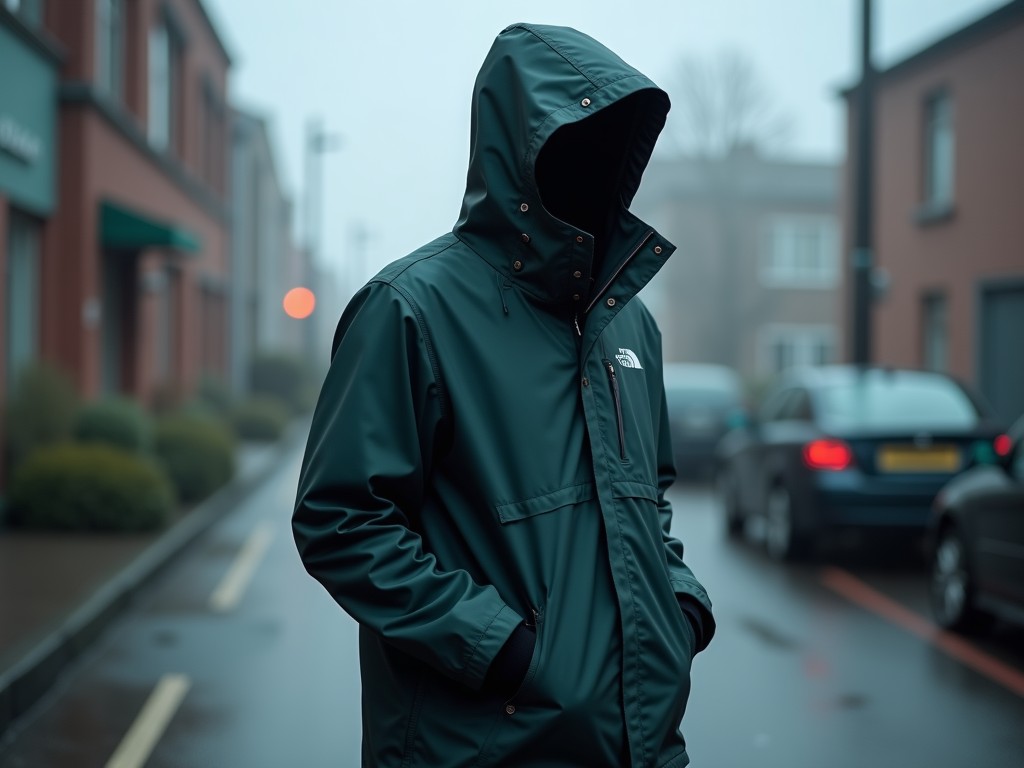
Mens Lightweight Rain Jacket With Hood Factory
Mens Lightweight Rain Jacket With Hood Factory
Selecting appropriate outerwear for industrial or field operations requires balancing protection, mobility, and durability. A mens lightweight rain jacket with hood serves as a critical layer in environments where sudden precipitation, wind exposure, or temperature fluctuations are common. This page outlines the technical considerations, material specifications, and manufacturing capabilities relevant to procuring such garments at scale, focusing on factors that influence performance, longevity, and total cost of ownership.
Industrial buyers prioritize garments that maintain functionality after repeated use, cleaning, and exposure to harsh conditions. The design of a lightweight rain jacket must address seam integrity, hood ergonomics, ventilation, and packability without compromising core waterproofing or wind resistance. Understanding these elements enables informed decisions that reduce replacement frequency and enhance worker comfort and safety.
Material Composition and Performance Characteristics
The effectiveness of a rain jacket depends fundamentally on the fabric system used. Most industrial-grade lightweight jackets utilize a 2-layer or 2.5-layer laminate construction where a waterproof breathable membrane is bonded to a protective outer shell. Common membrane materials include polyurethane (PU) or polytetrafluoroethylene (ePTFE) variants, each offering distinct trade-offs in breathability, durability, and cost.
Outer shell fabrics are typically nylon or polyester with a denier range of 40D to 70D, providing adequate abrasion resistance while minimizing weight. A durable water repellent (DWR) finish is applied to the outer surface to prevent saturation of the face fabric, which maintains breathability by reducing moisture absorption. The DWR treatment is not permanent and requires periodic reapplication based on use and cleaning frequency.
Breathability is measured in grams of moisture vapor transmitted per square meter over 24 hours (g/m²/24h). For high-activity industrial use, membranes targeting 10,000 g/m²/24h or higher are recommended to manage internal moisture buildup. Waterproof ratings are expressed in millimeters (mm) of water column resistance; a minimum of 5,000 mm is standard for rain protection, with 10,000 mm+ preferred for prolonged exposure or heavy rain.
Design Features for Industrial Use
Beyond material selection, specific design details determine suitability for work environments. The hood must provide adequate coverage without obstructing peripheral vision or hearing. Adjustable systems using elastic cords with cord locks or hook-and-loop tabs allow customization to head size and compatibility with hard hats or helmets. A laminated or taped brim helps shed water away from the face.
Seam construction is critical; all seams should be fully taped with waterproof tape to prevent leakage at needle holes. Zigzag or flatlock stitching alone is insufficient for waterproof applications. Zipper flaps (storm flaps) with hook-and-loop or snap closures protect the main front zipper from water ingress. Zipper garage at the top prevents chin irritation.
Ventilation options such as pit zips (underarm zippers) or mesh-lined pockets enhance airflow during high exertion. Cuffs should be adjustable via hook-and-loop tabs or elastic to seal against wind and rain. Hem adjustability via drawcord or elastic prevents water entry at the waist. Pocket placement should consider compatibility with harnesses or belts, often favoring chest-mounted or high-handwarmer positions.
Manufacturing Considerations and Customization
Factory production of lightweight rain jackets involves precise control over lamination integrity, seam sealing consistency, and component alignment. Lamination defects such as delamination or bubbles compromise waterproofing and are detected through visual inspection and hydrostatic testing. Seam tape adhesion is verified via peel strength testing to ensure long-term durability after washing and flexing.
Customization options include adjustable hood volume, variable sleeve length, extended back drop for increased coverage, and integration of reflective trims for low-visibility conditions. Logo application methods such as heat transfer, screen printing, or embroidery must be evaluated for impact on fabric breathability and waterproofing; alternatives like removable patches or internal labels may be preferable.
Sizing consistency is vital for bulk orders. Factories should provide detailed measurement charts covering chest, sleeve length, body length, and hood dimensions. Tolerances for critical measurements (e.g., chest, sleeve) are typically ±1 cm to ensure proper fit across the workforce. Pre-production samples are standard for validating fit, function, and appearance before full-scale manufacturing.
Quality Control and Testing Protocols
Reliable performance depends on rigorous quality control throughout production. Fabric inspection occurs upon receipt to verify weight, width, colorfastness, and coating uniformity. During assembly, inline checks monitor seam alignment, zipper function, and component placement. Final inspection includes functional testing of zippers, adjustable components, and pocket operation.
Performance validation includes hydrostatic head testing to confirm waterproof rating, spray testing (e.g., AATCC 35) to assess surface wetting, and breathability testing via inverted cup or sweat guarded hotplate methods. Dimensional stability after washing is evaluated per ISO 6330 or AATCC 135 to ensure minimal shrinkage or distortion. Colorfastness to washing, light, and perspiration is tested to maintain appearance over time.
Documentation such as test reports, material safety data sheets (MSDS), and compliance certificates (e.g., REACH, Oeko-Tex Standard 100) should be available upon request. Traceability systems linking raw materials to finished goods support accountability and recall readiness. Factories adhering to ISO 9001 quality management principles demonstrate structured processes for consistent output.
Applications in Industrial and Operational Settings
Lightweight rain jackets with hoods are widely adopted across sectors where workers face intermittent outdoor exposure. In construction, they provide protection during site inspections, material handling, or short-duration tasks without the bulk of heavier rainwear. Utility workers benefit from the garment’s compatibility with high-visibility vests and tool belts, allowing rapid deployment during storm-related outages.
Transportation and logistics personnel use these jackets during loading/unloading operations, vehicle inspections, or last-mile delivery in variable weather. Field service technicians in telecommunications, HVAC, or plumbing appreciate the packability—many designs stuff into a dedicated pocket or small sack—enabling storage in vehicle cabs or toolboxes. Agricultural workers value the breathability during prolonged wear in warm, humid conditions.
Emergency response teams, including search and rescue or disaster relief personnel, rely on the balance of protection and mobility. The hood’s compatibility with helmets and headlamps is essential. In all cases, the garment functions as a reliable barrier against wind-driven rain while minimizing thermal burden and movement restriction, supporting sustained operational effectiveness.
| Parameter | Typical Range / Option | Industrial Relevance |
|---|---|---|
| Outer Shell Fabric | Nylon or Polyester, 40D–70D | Balances weight, abrasion resistance, and packability |
| Waterproof Membrane | PU or ePTFE, 5,000–20,000 mm hydrostatic head | Ensures rain protection; higher values for prolonged exposure |
| Breathability | 5,000–20,000 g/m²/24h MVTR | Critical for comfort during physical labor; prevents overheating |
| Seam Treatment | Fully taped seams | Prevents leakage at stitch holes; mandatory for waterproof integrity |
| Hood Type | Adjustable, helmet-compatible, laminated brim | Maintains visibility and protection with headgear |
| Ventilation | Pit zips, mesh pockets, or none | User-selectable based on activity level and climate |
| Cuff Adjustment | Hook-and-loop, elastic, or snap | Seals against wind and rain; accommodates gloves |
| Packability | Stuff sack or internal pocket | Enables storage in vehicles, bags, or on equipment |
| Customization | Logo placement, color matching, reflective trim, sizing | Supports branding, safety compliance, and workforce fit |
Procurement Guidance and Next Steps
When sourcing mens lightweight rain jackets with hoods from a factory, begin by defining the operational environment, expected usage frequency, and required performance levels. Request fabric swatches and pre-production samples to evaluate hand feel, noise level (some membranes produce a crinkly sound), and pack size. Clarify minimum order quantities (MOQs), which often start at 100–500 pieces depending on customization complexity.
Inquire about the factory’s experience with technical apparel production, particularly seam sealing consistency and lamination quality. Ask for references or case studies from similar industrial clients. Discuss lead times, which typically range from 4 to 8 weeks for standard orders, with variations based on fabric availability and dye lot requirements. Confirm packaging options—individual polybags, bulk cartons, or custom labeling—to match distribution needs.
To initiate a quotation or request samples, provide detailed specifications including target quantities, sizes required (with size breakdown), preferred colors, logo artwork (if applicable), and any required certifications. Contact our technical team to discuss your project requirements and receive a tailored proposal. We support collaborative development to ensure the final product meets your functional, safety, and budgetary objectives.