
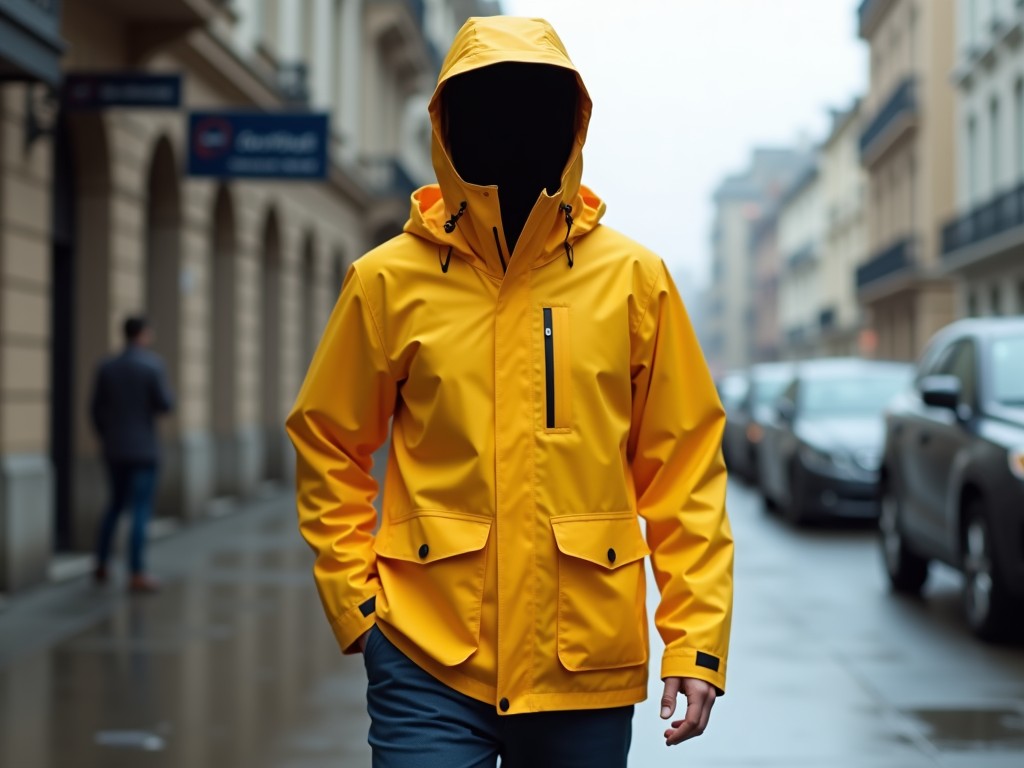
Men Rain Coat Manufacturers Suppliers Exporters
Men Rain Coat Manufacturers Suppliers Exporters
Industrial buyers seeking men’s rain coats for workwear, outdoor operations, or uniform programs require clear technical specifications to evaluate suppliers. This page outlines the manufacturing considerations, material properties, and export-ready capabilities relevant to bulk procurement. Understanding these factors enables informed decisions that reduce supply chain risk and ensure product suitability for end-use conditions.
Material Construction and Performance Characteristics
The effectiveness of a men’s rain coat in industrial environments depends on the balance between waterproofing, breathability, and durability. Manufacturers typically use coated polyester or nylon substrates with polyurethane (PU) or polyvinyl chloride (PVC) finishes. Coating weight, measured in grams per square meter (gsm), directly influences water resistance—common ranges fall between 150–300 gsm for light-duty use and 300–500 gsm for heavy-duty applications. Seam sealing is critical; ultrasonic welding or heat-taped seams prevent leakage at stitch points, with tape width typically 20–25 mm for full coverage.
Breathability is quantified by moisture vapor transmission rate (MVTR), expressed in grams per square meter per 24 hours (g/m²/24h). For active work environments, MVTR values of 3,000–5,000 g/m²/24h help reduce internal condensation. Abrasion resistance, tested per ASTM D3884, indicates fabric longevity—coatings with Taber abrasion cycles exceeding 1,000 are suitable for rugged use. Colorfastness to light (ISO 105-B02) and washing (ISO 105-C06) ensures appearance retention after repeated exposure to UV and industrial laundering.
Design Features for Industrial Use
Industrial rain coats incorporate functional details that improve usability and safety in operational settings. Storm flaps over zippers, secured with snap fasteners or hook-and-loop closures, prevent water ingress at the front opening. Adjustable cuffs with hook-and-loop tabs or elastic inserts seal wrists against wind-driven rain. Hoods are often three-piece, adjustable via drawcords and featuring reinforced brims to maintain visibility. Ventilation options—such as underarm grommets or back vents with storm covers—enhance airflow without compromising waterproof integrity.
Pocket placement and design affect utility. Chest pockets with water-resistant zippers or flap covers protect radios, tools, or documents. Lower pockets may include drainage eyelets to prevent water accumulation. Reflective trim, compliant with ANSI/ISEA 107 standards, is available in silver or fluorescent configurations for low-light visibility. Trim width typically ranges from 25–50 mm, with placement on shoulders, sleeves, torso, and back to meet safety compliance for roadside or night work.
Customization and Manufacturing Considerations
Bulk orders often require adjustments to baseline specifications to align with corporate branding, safety protocols, or climatic conditions. Manufacturers accommodate changes in fabric weight, coating type, color (Pantone-matched), and trim reflectivity. Sizing follows international standards (e.g., ISO 8559) but can be graded for specific regional anthropometric data. Customization extends to branding—embroidery, screen printing, or heat transfer logos are applied to sleeves, chest, or back, with minimum order quantities typically starting at 100 units per design.
Production lead times depend on fabric sourcing, coating availability, and order complexity. Standard items from stock fabrics may ship in 2–3 weeks; fully customized orders with Pantone matching and custom trims require 6–8 weeks. Manufacturers provide pre-production samples (PPS) for approval, including seam sealing verification and color matching under D65 lighting. Quality control includes AQL 2.5 inspections for major defects (e.g., leaks, missing trim) and AQL 4.0 for minor defects (e.g., stitching variance, shade variation) per ANSI/ASQ Z1.4.
Export Readiness and Packaging
Exporters prepare shipments to withstand long-distance transit and customs inspection. Garments are folded to standardized dimensions (typically 30×40×5 cm) and packed in polybags (50–70 μm thickness) with silica gel desiccant to control moisture. Cartons are constructed from double-wall corrugated fiberboard (200 gsm burst strength), sealed with pressure-sensitive tape, and labeled with barcodes, country of origin, and handling instructions. Each carton includes a packing list detailing SKU, size breakdown, quantity, and net/gross weight.
For hazardous material compliance, PVC-coated fabrics may require REACH or Oeko-Tex Standard 100 certification upon request. PU-coated alternatives are often preferred for lower volatile organic compound (VOC) emissions. Export documentation includes commercial invoice, packing list, certificate of origin, and material safety data sheet (MSDS) for coatings. Shipping terms (FOB, CIF, EXW) and Incoterms® 2020 are clarified during quotation to align logistics responsibilities.
Typical Specification Table
| Parameter | Typical Range / Option | Notes |
|---|---|---|
| Outer Fabric | Polyester 150D or Nylon 210T | Base fabric for coating adhesion |
| Coating Type | PU or PVC | PU preferred for breathability; PVC for cost and chemical resistance |
| Coating Weight | 150–500 gsm | Higher gsm = increased waterproofing and stiffness |
| Seam Treatment | Heat-taped or ultrasonically welded | Tape width: 20–25 mm; 100% seam coverage required |
| MVTR (Breathability) | 3,000–5,000 g/m²/24h | Measured per JIS L 1099 or ASTM E96 |
| Reflective Trim | ANSI/ISEA 107 Class 2 or 3 | Width: 25–50 mm; silver or fluorescent |
| Size Range | S–3XL (custom grading available) | Based on ISO 8559; chest, sleeve, back length adjustable |
| Packaging | Polybag + corrugated carton | Desiccant included; carton size optimized for palletization |
Selecting a supplier involves evaluating not only product specifications but also manufacturing transparency, quality assurance processes, and export experience. Buyers should request test reports for hydrostatic head (minimum 1,000 mm for light rain, 3,000+ mm for heavy exposure), MVTR, and colorfastness. Factory audits or third-party inspection reports (e.g., SGS, Bureau Veritas) provide additional assurance of consistent production standards. Clear communication regarding tolerances, defect classification, and revision protocols minimizes misunderstandings during production.
Long-term value is derived from reduced replacement frequency, compliance with workplace safety regulations, and user satisfaction in adverse weather. A well-specified rain coat contributes to operational continuity by keeping personnel dry, visible, and comfortable. Procurement teams benefit from standardized specifications that enable repeatable ordering and supplier comparison based on technical data rather than subjective claims.
For technical inquiries, specification sheets, or sample requests, contact our export department to discuss your project requirements.