
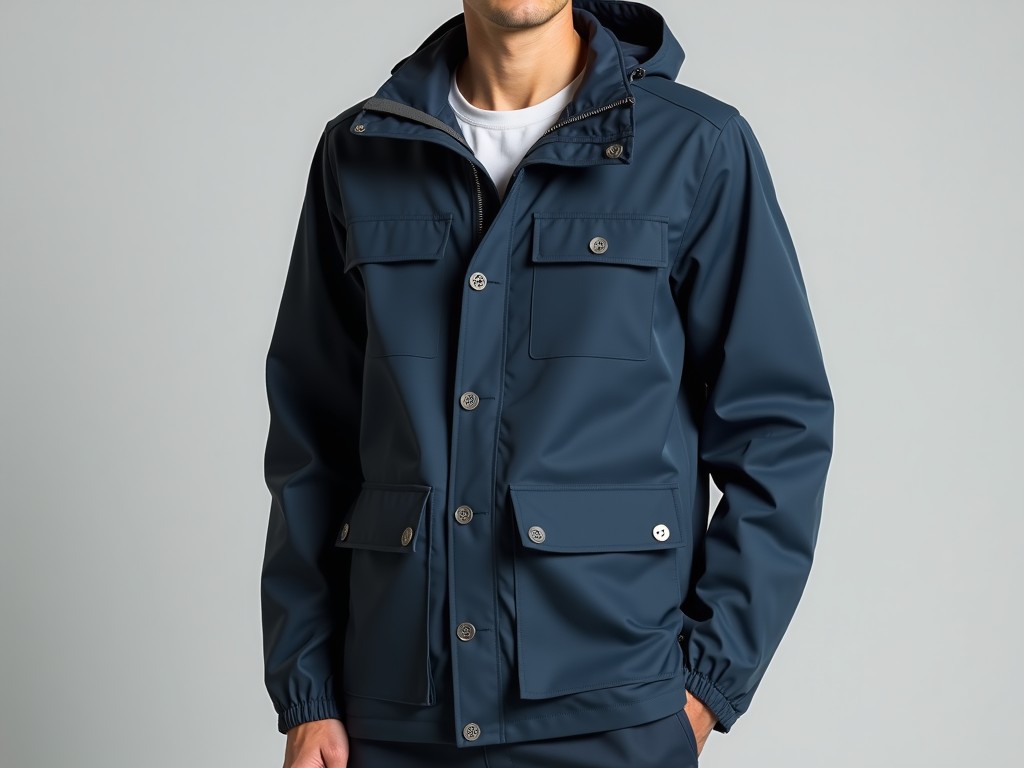
China Mens Wet Weather Trousers
China Mens Wet Weather Trousers
Wet weather trousers for industrial use must balance waterproof performance with durability under mechanical stress, thermal regulation, and freedom of movement. Selecting appropriate materials and construction methods directly impacts worker safety, comfort during prolonged exposure, and lifecycle cost in demanding environments such as construction, utilities, mining, and outdoor maintenance.
This product page details the technical specifications, material options, and design considerations for mens wet weather trousers manufactured in China for B2B procurement. Information focuses on measurable engineering characteristics to support informed purchasing decisions.
Material Construction and Waterproofing Systems
The primary barrier against water ingress relies on either coated fabrics or laminated membranes. Polyester or nylon base fabrics coated with polyurethane (PU) typically achieve hydrostatic head ratings between 5,000mm and 10,000mm, resisting moderate to heavy rainfall while maintaining flexibility. For higher performance requirements, polytetrafluoroethylene (PTFE) or thermoplastic polyurethane (TPU) laminates offer ratings exceeding 15,000mm with improved breathability measured by moisture vapor transmission rate (MVTR) of 5,000–10,000 g/m²/24h.
Seam sealing is critical; factory-applied thermoplastic tape or ultrasonic welding prevents leakage at stitch lines. Unsealed seams compromise waterproof integrity regardless of fabric rating. Reinforcement at high-wear areas—knees, seat, and cuffs—uses abrasion-resistant overlays such as Cordura® nylon or PVC-coated patches, increasing tear strength by 40–60% compared to base fabric alone.
Design Features for Industrial Use
Ergonomic patterning accommodates layered clothing systems without restricting motion. Articulated knees with gusseted construction allow full flexion during kneeling or climbing. Adjustable waist systems—typically internal elastic with external drawcord or hook-and-loop tabs—maintain fit stability during dynamic movement while accommodating varying underlayers.
Ankle closures use adjustable hook-and-loop straps or snap buttons to prevent water entry and secure fit over boots. Reflective trim compliant with EN ISO 20471 standards enhances visibility in low-light conditions, with placement optimized for 360° detection. Pocket designs feature storm flaps with hook-and-loop closures to protect contents while maintaining accessibility.
Ventilation options include zippered thigh vents with storm flaps, reducing internal humidity buildup during high-exertion tasks. Vent placement follows biomechanical mapping to maximize airflow without compromising waterproof integrity. All zippers are coated or covered to prevent water migration along the coil.
Performance Specifications and Testing
Key performance indicators include hydrostatic resistance, tear strength, seam strength, and dimensional stability after washing. Hydrostatic head testing follows ISO 811 standard, measuring water pressure penetration resistance. Torn fabric resistance uses ISO 9073-4 (Elmendorf) or ISO 13937-2 (trouser tear) methods. Seam strength adheres to ISO 13935-2, with minimum values typically exceeding 200 N for industrial-grade constructions.
Dimensional stability after repeated washing (ISO 6330) ensures consistent fit over garment life, with shrinkage limited to <3% in both warp and weft directions. Colorfastness to light (ISO 105-B02) and washing (ISO 105-C06) maintains visibility and appearance standards. Buyers should request test reports specific to the ordered material configuration, as performance varies with coating thickness, laminate type, and base fabric denier.
Customization Options
Manufacturers in China offer scalable customization for B2B orders, allowing adaptation to specific operational needs without requiring full redesign. Common adjustable parameters include:
- Fabric weight: Base polyester/nylon from 150D to 600D denier
- Coating type: PU, PVC, TPU, or PTFE laminate
- Waterproof rating: Customizable from 3,000mm to >20,000mm hydrostatic head
- Reinforcement zones: Knees, seat, cuffs, or full-length leg panels
- Closure systems: Zipper, snap, or hook-and-loop fly fronts
- Reflective trim: Width, placement, and compliance level (EN ISO 20471 Class 1-3)
- Pocket configuration: Number, size, closure type, and internal organization
Minimum order quantities typically start at 300 units for standard configurations, with lead times ranging from 25–45 days depending on material sourcing and complexity. Samples are available upon request for validation prior to production approval.
Applications in Industrial Sectors
In construction, these trousers protect workers during exterior concrete pouring, roofing, and site preparation in wet conditions, reducing slip-related incidents by maintaining dry insulation layers and preventing thermal conductivity increases in clothing systems. Utility crews conducting overhead line maintenance or underground cable repair benefit from unrestricted movement while remaining dry during prolonged exposure to rain or snowmelt.
Mining operations in open-pit or surface environments use reinforced variants with added abrasion resistance for contact with rough terrain and equipment. Forestry and land management teams operating in high-precipitation zones rely on breathable waterproof constructions to prevent overheating during physical labor while maintaining protection from wind-driven rain.
Municipal services including waste collection, road maintenance, and park management require high-visibility combinations with durable waterproofing to withstand daily exposure to varying weather conditions. The ability to layer over insulated liners or flame-resistant base garments extends usability across seasonal temperature ranges without compromising safety compliance.
Quality Control and Manufacturing Considerations
Production occurs in facilities equipped for technical textile processing, with inline monitoring of coating thickness, laminate adhesion, and seam sealing integrity. First-article inspection includes hydrostatic testing of fabric samples, seam peel strength verification, and dimensional checks against graded patterns. Random sampling during production checks for consistent tape application and absence of pinholes in coatings.
Final inspection adheres to AQL 2.5 standards for major defects (e.g., leaking seams, missing reinforcement) and AQL 4.0 for minor defects (e.g., stitching irregularities, shade variation). Packaging uses polyethylene bags with desiccant packs to prevent moisture accumulation during transit, with carton markings including size, style number, and care instructions. Buyers may request third-party inspection reports or factory audits as part of supplier qualification.
For technical inquiries, customization requests, or quotation details, please contact our sales team to discuss your specific requirements.
Request Technical Specification Sheet