
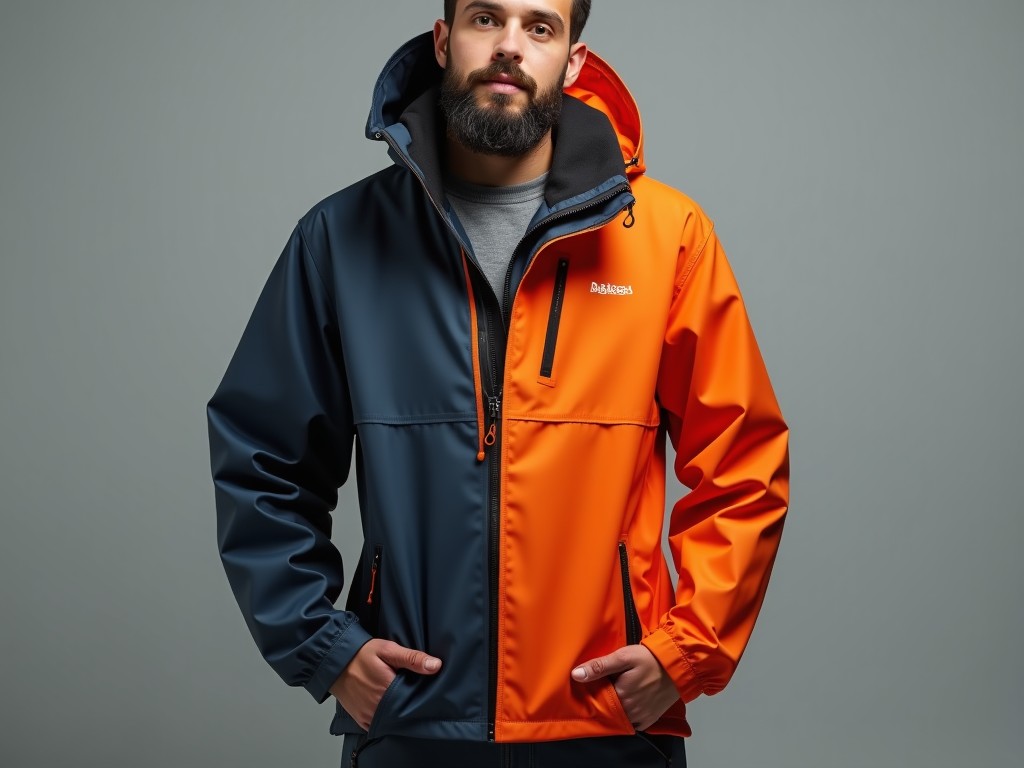
Buy Mens Rain Jacket Top Factory
Buy Mens Rain Jacket Top Factory
When sourcing mens rain jackets from a factory, technical specifications determine long-term performance and suitability for end-use environments. This guide outlines key engineering considerations for industrial buyers evaluating suppliers, focusing on material properties, construction methods, and quality validation processes that directly impact garment durability and user protection.
Industrial procurement requires moving beyond aesthetic preferences to assess how fabric construction, seam sealing, and coating technologies interact under real-world conditions. Understanding these elements reduces the risk of field failure and supports informed vendor comparison.
Material Selection and Performance Characteristics
The outer shell fabric’s tensile strength and tear resistance directly affect abrasion durability during use. Commonly specified materials include nylon 6,6 with a denier range of 70D to 210D, offering a balance between weight and robustness. Higher denier fabrics increase resistance to snagging but add weight, which may impact wearer comfort during extended use.
Waterproof performance is measured by hydrostatic head rating, typically expressed in millimeters of water column. For industrial rain jackets, a minimum rating of 5,000mm is standard for light exposure, while 10,000mm or higher is recommended for prolonged wet conditions or heavy rain exposure. This value indicates the pressure the fabric can withstand before water penetration occurs.
Breathability, quantified as moisture vapor transmission rate (MVTR), influences wearer comfort during physical activity. Values below 5,000 g/m²/24h may lead to internal condensation buildup, whereas ratings above 8,000 g/m²/24h support better moisture management. These metrics are critical when jackets are worn for extended periods in variable climates.
Seam Construction and Sealing Methods
Seam integrity is a primary failure point in rainwear, as needle holes create pathways for water ingress. Factories address this through seam sealing, where waterproof tape or liquid polyurethane is applied over stitched seams. The effectiveness depends on tape adhesion strength and coverage completeness.
Two primary sealing methods exist: tape sealing and welded seams. Tape sealing uses a thermoplastic adhesive tape bonded via heat and pressure, suitable for most nylon and polyester fabrics. Welded seams, created through ultrasonic or heat bonding, eliminate needle holes entirely but require compatible thermoplastic materials and precise process control.
Seal durability is validated through flex testing and wash cycle resistance. A properly sealed seam should maintain waterproof integrity after 20+ wash cycles and repeated flexing. Buyers should request test reports detailing seam performance under ASTM D3393 or equivalent standards to verify long-term reliability.
Coating and Membrane Technologies
Waterproofing is achieved through either laminated membranes or durable water repellent (DWR) coatings applied to the fabric surface. Membranes such as polyurethane (PU) or polytetrafluoroethylene (PTFE) are bonded to the inner layer of the fabric, providing a continuous barrier. PU membranes typically offer hydrostatic head ratings between 5,000mm and 15,000mm, with flexibility maintained down to -20°C.
DWR treatments cause water to bead and roll off the outer fabric, preventing saturation that could reduce breathability. However, DWR is not permanent and degrades with abrasion, washing, and UV exposure. Reapplication is required periodically to maintain surface water repellency, though the underlying membrane or coating continues to provide waterproofing.
Some factories use microporous membranes that allow vapor transmission while blocking liquid water. These structures rely on pore size smaller than water droplets but larger than water vapor molecules. Performance depends on uniform pore distribution and resistance to clogging from oils or particulates, which can be evaluated via MVTR testing before and after exposure to contaminants.
Design Features for Industrial Use
Industrial rain jackets often include functional details that improve usability in work environments. Storm flaps over zippers prevent water ingress through the front closure, especially when combined with sealed or coated zipper tapes. Adjustable cuffs with hook-and-loop or snap closures help seal gaps at the wrists, reducing water entry during arm movement.
Ventilation options such as pit zips or back vents enhance breathability without compromising waterproofing when designed with internal storm flaps. These features allow heat and moisture escape during high-exertion tasks while maintaining protection from rain. Placement and sealing of vents are critical to prevent leakage points.
Pocket design affects both utility and water resistance. Zippered or flap-covered pockets with sealed seams keep contents dry. Internal pockets for electronics or documents should include additional moisture barriers. The number and placement of pockets must balance accessibility with minimal disruption to the garment’s waterproof integrity.
Quality Control and Testing Protocols
Reliable factories implement standardized testing to validate performance claims. Hydrostatic head testing is conducted on fabric panels and sealed seams using a water pressure tester, following standards such as ISO 811 or AATCC 127. Results are recorded at multiple points across the material batch to ensure consistency.
Breathability is measured using inverted cup or sweating guarded hotplate methods to determine MVTR. These tests are performed under controlled temperature and humidity conditions to simulate wearer microclimate. Factories should provide test reports showing MVTR values before and after abrasion or washing cycles to assess durability.
Additional checks include colorfastness to washing and light, dimensional stability after laundering, and resistance to tearing (Elmendorf test). Visual and tactile inspections verify seam sealing coverage, tape adhesion, and absence of defects such as pinholes or delamination. Buyers can request third-party test certificates or factory audit reports to confirm compliance with specified requirements.
Customization and Ordering Considerations
Factories typically offer customization of fabric weight, color, and coating type based on project requirements. Minimum order quantities (MOQs) vary depending on material availability and production line setup, commonly ranging from 300 to 1,000 units per style. Lead times are influenced by fabric sourcing, with standard production taking 45 to 65 days after sample approval.
Buyers should provide detailed technical packs including spec sheets, Pantone color references, seam placement diagrams, and performance targets (e.g., minimum hydrostatic head, MVTR). Clear communication of end-use conditions—such as temperature range, exposure duration, and mechanical stress—enables the factory to recommend appropriate materials and constructions.
Sample approval is a critical stage. Pre-production samples should be tested for waterproofing, breathability, and seam integrity before full production begins. Factories may offer lab test reports or allow third-party testing at the buyer’s expense. Any deviations from spec must be resolved prior to bulk manufacturing to avoid costly rework or field failures.
| Parameter | Typical Range | Test Method |
|---|---|---|
| Hydrostatic Head (Fabric) | 5,000 – 15,000 mm | ISO 811 |
| Moisture Vapor Transmission Rate (MVTR) | 5,000 – 12,000 g/m²/24h | ASTM E96 BWB |
| Seam Sealing Adhesion Strength | Minimum 2.0 N/mm | ASTM D1876 |
| Tensile Strength (Fabric) | 300 – 600 N (50mm x 200mm) | ISO 13937-2 |
| Tear Resistance (Elmendorf) | 15 – 35 N | ISO 13937-1 |
For buyers seeking to evaluate suppliers or request technical documentation, providing clear performance requirements accelerates the quotation process. Factories rely on detailed specifications to recommend appropriate materials, construction methods, and validation tests that match the intended application.
To discuss custom rain jacket specifications, request test reports, or initiate a sample development process, contact the factory directly. Technical teams are available to review application needs and recommend proven constructions based on industrial use cases.
Contact Factory for Technical Inquiry