
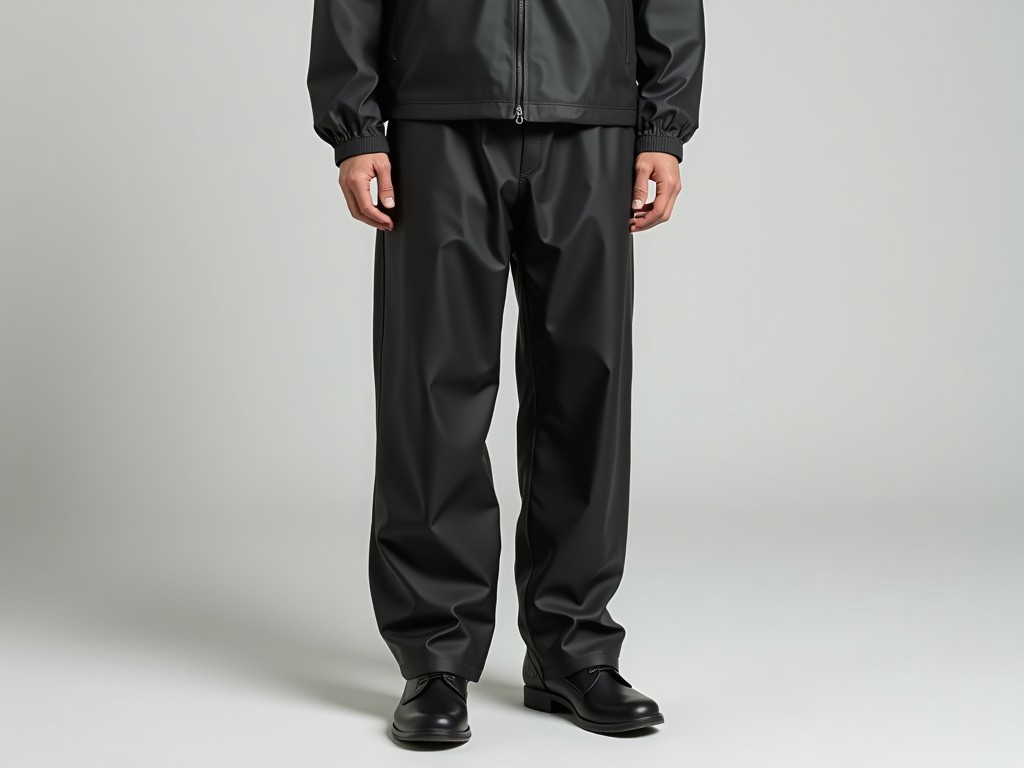
Buy Black Rain Pants Mens
Buy Black Rain Pants Mens – Industrial-Grade Waterproof Workwear
Black rain pants for men are essential protective garments designed to shield workers from prolonged exposure to rain, wind, and moisture in outdoor industrial environments. Unlike consumer-grade rainwear, these pants are engineered with specific material thicknesses, seam sealing methods, and closure systems to maintain integrity under repeated flexing, abrasion, and chemical exposure common in construction, utilities, mining, and municipal operations. Selecting the right pair requires understanding how fabric construction, waterproof ratings, and ergonomic design interact to prevent heat stress while ensuring dryness and mobility.
Material Construction and Waterproof Performance
Industrial black rain pants typically use a 3-layer laminate system: an outer shell of polyester or nylon with a durable water repellent (DWR) finish, a middle microporous polytetrafluoroethylene (ePTFE) or polyurethane (PU) membrane, and an inner tricot or mesh liner for comfort and moisture wicking. The membrane’s hydrostatic head rating—measured in millimeters of water column—determines resistance to water penetration; industrial applications commonly require minimums of 10,000 mm for light rain and 20,000 mm or higher for sustained downpours or spray exposure. Seams are sealed using heat-activated tape or ultrasonic welding to prevent leakage at stitch points, a critical failure point in lower-quality garments.
Breathability, measured as moisture vapor transmission rate (MVTR) in grams per square meter per 24 hours (g/m²/24h), is equally important to prevent internal condensation during physical exertion. High-performance rain pants balance waterproofing (e.g., 20,000 mm) with breathability (e.g., 15,000 g/m²/24h) to maintain wearer comfort over 8-hour shifts. The outer shell’s denier rating—indicating fiber thickness—affects abrasion resistance; 150D to 300D polyester offers a balance of durability and flexibility, while ripstop weaves inhibit tear propagation. DWR treatments degrade over time and require reactivation via heat or specialized wash-in products to maintain surface beading.
Design Features for Industrial Use
Functional design elements distinguish industrial rain pants from recreational models. Reinforced knees and seat panels use double-layer fabric or abrasion-resistant overlays (e.g., Cordura® nylon) to withstand kneeling, crawling, and contact with rough surfaces. Ankle closures feature adjustable hook-and-loop straps or zippered gussets with storm flaps to seal over boots without restricting movement or creating pressure points. Waist systems incorporate internal elastic or adjustable tabs with belt loops, allowing secure fit over layers without slipping during active work.
Pocket configuration prioritizes accessibility and security: vertical side pockets with waterproof zippers and storm flaps protect tools, radios, or documents; some models include internal mesh pockets for gloves or liners. Reflective trim—typically 3M™ Scotchlite™ or equivalent—is placed on ankles, knees, and hips to meet ANSI/ISEA 107 visibility standards for low-light conditions, a requirement in roadwork, rail, and utility zones. Articulated knee patterns and gusseted crotches reduce binding during squatting or ladder climbing, preserving range of motion.
Comparison of Common Specifications
| Feature | Standard Industrial Grade | High-End Performance Grade |
|---|---|---|
| Hydrostatic Head (mm) | 10,000–15,000 | 20,000–30,000 |
| MVTR (g/m²/24h) | 8,000–12,000 | 15,000–25,000 |
| Outer Shell Denier | 150D Polyester | 300D Ripstop Nylon |
| Seam Sealing | Heat-Taped | Ultrasonic Welded |
| Reinforcement Zones | Knees Only | Knees, Seat, Inner Ankles |
| Reflective Trim | Optional | ANSI 107 Compliant |
Note: Values represent typical ranges; actual performance depends on specific material batches, construction methods, and post-purchase care. Customization options—such as adjusted inseam lengths, custom pocket placement, or alternative closure types—are available upon request for OEM or bulk orders. Always verify compliance with site-specific safety standards (e.g., NFPA 1991 for chemical resistance, EN 343 for European rainwear) before procurement.
Applications Across Industrial Sectors
In construction, black rain pants are worn during exterior concrete pouring, roofing, and structural steel erection where workers face continuous rain and wind-driven spray. The dark color minimizes visibility of dirt and grime compared to lighter shades, maintaining a cleaner appearance over multiple shifts without frequent washing. For utility workers maintaining power lines or water infrastructure, the pants’ resistance to wind-driven rain and ability to layer over flame-resistant base layers (when required) make them suitable for storm response operations in temperatures ranging from -10°C to 30°C.
Mining operations use these pants in open-pit environments where sudden downpours create slippery haul roads and reduced visibility; the abrasion-resistant lower legs protect against rock scrapes and mud buildup. Municipal workers in sanitation, street maintenance, and park services rely on the garments’ quick-drying properties and ease of decontamination after exposure to pollutants or biological agents. In all cases, the pants function as a critical barrier that prevents hypothermia, maintains dexterity, and reduces downtime due to weather-related discomfort or illness.
Proper sizing is crucial: measure natural waist, inseam, and hip circumference while wearing intended base layers (e.g., thermal underwear, work pants). Industrial rain pants are typically cut with a relaxed fit to accommodate layers; selecting a size too small restricts movement and compromises seam integrity under stress. Refer to manufacturer size charts—never assume standard clothing sizes apply—and consider trying samples before bulk purchase to validate fit across your workforce’s anthropometric range.
Quality Control and Longevity Considerations
Reputable manufacturers subject rain pants to standardized testing: hydrostatic head tests (JIS L 1092 or ISO 811), MVTR assessments (ASTM E96), seam strength (ASTM D1683), and abrasion resistance (Martindale or Taber). Batch testing ensures consistency; look for suppliers who provide test reports upon request. The DWR finish requires periodic maintenance—machine wash with technical cleaner, tumble dry on low heat to reactivate polymers—and should be reapplied after 10–15 wash cycles or when water no longer beads on the surface.
Storage conditions affect lifespan: avoid prolonged UV exposure, which degrades polymers, and store loosely folded or hung to prevent crease-induced cracking in the membrane. With proper care, industrial-grade black rain pants maintain performance for 12–24 months of regular use in harsh environments. End-of-life indicators include delamination of layers, persistent leakage at seams despite re-sealing attempts, or loss of breathability due to membrane clogging from oils or particulates. Recycling options exist for polyester/nylon shells through specialized textile reclamation programs.
For technical specifications, customization inquiries, or to request a sample kit tailored to your operational requirements, contact our industrial workwear specialists. Provide details on your primary use case, environmental conditions (temperature range, precipitation intensity, chemical exposure), layering needs, and any applicable safety standards to receive accurate recommendations and pricing.
Request Technical Consultation