
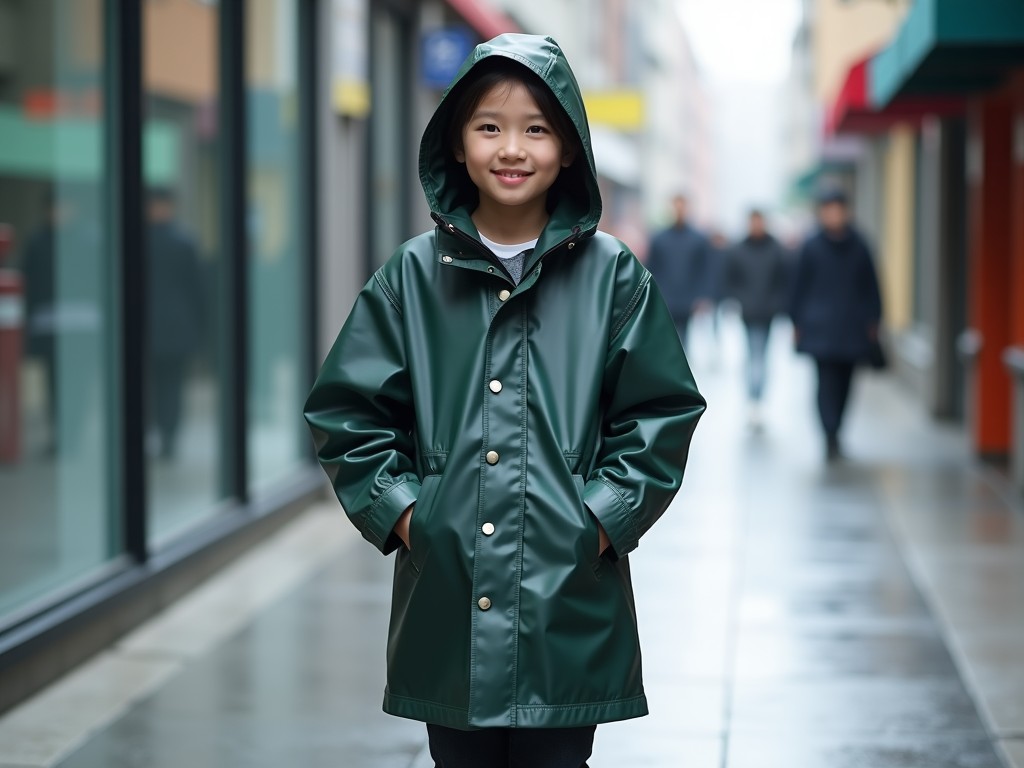
China Waterproof Coats For Teenagers
China Waterproof Coats for Teenagers
Waterproof coats designed for teenage users require specific performance balances between weather protection, mobility, and durability under active use. This page outlines the technical considerations, material specifications, and manufacturing approaches relevant to sourcing such garments from Chinese manufacturers, focusing on measurable characteristics rather than promotional claims.
Core Functional Requirements
Effective waterproofing for adolescent outerwear depends on three interconnected factors: hydrostatic head rating of the fabric, seam sealing integrity, and breathability to manage moisture vapor during physical activity. Hydrostatic head measures the water pressure a fabric can withstand before leakage; values below 5,000 mm typically fail under prolonged rain or snowmelt exposure, while ratings between 8,000–15,000 mm offer practical protection for school commutes and outdoor recreation without compromising flexibility. Breathability, quantified as moisture vapor transmission rate (MVTR), must exceed 3,000 g/m²/24h to prevent internal condensation buildup during sustained movement, a critical factor for teenage users engaged in sports or prolonged outdoor periods.
Material Construction and Performance
The most common construction uses a 2-layer or 2.5-layer laminate system where a waterproof polyurethane (PU) or polytetrafluoroethylene (PTFE) membrane is bonded to a polyester or nylon face fabric. Face fabric denier directly affects abrasion resistance; 150D–300D polyester provides adequate tear strength for teenage use while maintaining lightweight properties (typically 120–180 g/m² total laminate weight). Membrane thickness influences both waterproofing and breathability—thinner PU membranes (8–12 µm) enhance flexibility but may reduce long-term hydrostatic head stability under repeated flexing, whereas PTFE membranes offer consistent performance but require careful lamination to avoid delamination at stress points like elbows and shoulders.
Seal Integrity and Design Details
Seam sealing is non-negotiable for waterproof integrity; untreated stitch holes create leakage paths that compromise even high-rated fabrics. Fully taped seams using 15–20 mm wide polyurethane tape applied under heat and pressure achieve >95% seam leak prevention in standardized spray tests (AATCC 35). Critical design elements include storm flaps over front zippers (minimum 25 mm overlap), adjustable hoods with laminated brims to prevent water ingress, and cuffs with internal silicone or thermoplastic polyurethane (TPU) gaskets rated for 5,000+ flex cycles without cracking. Zipper selection must use coil-type nylon with hydrophobic coating; molded plastic zippers often fail at low temperatures (<−10°C) due to brittleness.
Sizing and Ergonomic Considerations for Teenagers
Teenage anthropometrics vary significantly across ages 13–19, requiring graded sizing that accommodates both growth spurts and differing body proportions between genders. Key measurements include chest circumference (76–104 cm range), sleeve length (58–68 cm), and back length (40–52 cm). Pattern design must allow 8–12 cm of ease across the chest and shoulders to accommodate layering without restricting arm movement. Articulated elbows and gusseted underarms improve reach during activities like cycling or backpack use, while adjustable hem drawcords (with internal cord locks) prevent ride-up during movement. All trims must use nickel-free, low-allergen materials to comply with juvenile product safety norms in target markets.
Quality Control and Testing Protocols
Reliable sourcing depends on verifiable test data rather than supplier claims. Essential quality checks include hydrostatic head testing (ISO 811) on both fabric and sealed seams, MVTR measurement (ASTM E96 Bw), and tensile strength/tear resistance (ISO 13937-2) after 5 wash cycles to simulate real-world aging. Colorfastness to washing (ISO 105 C06) and light (ISO 105 B02) must meet minimum grade 4 to prevent fading during seasonal use. Manufacturers should provide third-party test reports from accredited labs (e.g., SGS, Intertek, BV) upon request; internal testing alone lacks traceability for procurement risk assessment.
Typical Specification Table
| Parameter | Typical Range | Test Method |
|---|---|---|
| Hydrostatic Head (Fabric) | 8,000–15,000 mm | ISO 811 |
| Moisture Vapor Transmission Rate | 3,000–5,000 g/m²/24h | ASTM E96 Bw |
| Total Laminate Weight | 120–180 g/m² | ISO 3801 |
| Seam Tape Width | 15–20 mm | Visual/Tactile Inspection |
| Zipper Type | Coil Nylon, Hydrophobic Coated | ASTM D2061 |
| Flex Resistance (Cuff Gasket) | >5,000 cycles | ISO 7854 Method B |
Customization and Procurement Considerations
Manufacturers in China typically offer customization of face fabric color (Pantone-matched), reflective tape placement (EN ISO 20471 compliant if required), and trim details (zipper color, drawcord type). Minimum order quantities (MOQs) vary by fabric complexity but commonly start at 300–500 pieces per colorway for laminated fabrics due to setup costs in membrane lamination and seam taping lines. Lead times range from 45–75 days after sample approval, depending on fabric sourcing and production scheduling. Buyers should request pre-production samples (PPS) with full test reports before bulk production; approving based on bulk fabric swatches alone risks undetected defects in lamination or seam integrity.
Environmental and Compliance Factors
Increasing regulatory scrutiny on fluorinated compounds (PFAS) in durable water repellent (DWR) finishes necessitates verification of non-PFAS alternatives such as silicone-based or dendrimer treatments, which offer comparable surface energy reduction (<20 mN/m) without persistence concerns. Packaging should use recycled polybags with clear labeling; individual garment tagging must include care instructions (machine wash 30°C, tumble dry low, avoid fabric softeners) and fiber content per textile labeling laws in destination markets. REACH and CPSIA compliance documentation is available upon request for materials used in juvenile products.
To discuss specific technical requirements, request test reports, or initiate a quotation for waterproof coats tailored to teenage user needs, please contact our technical team.
Contact Technical Team